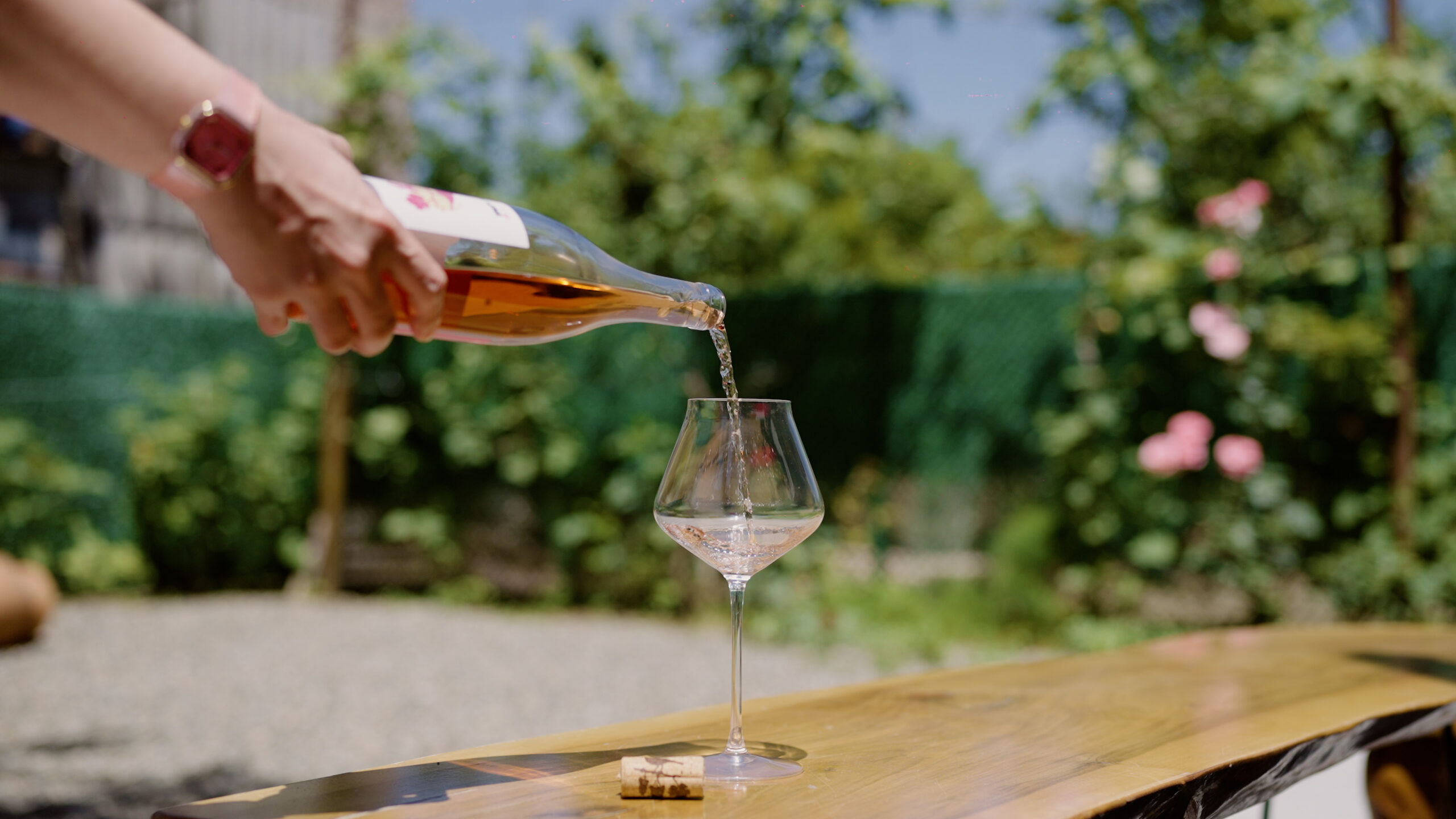
Nodo’s Winery is an Ozurgeti-based family cellar founded in 2017 with a profound mission: to continue the legacy of ancestors and breathe new life into authentic, local Gurian grape varieties. What began as a modest production with only four qvevris (traditional Georgian clay vessel) and 250 bottles – focusing mainly on Aladasturi, Tsolikouri, and Chkhaveri – has undergone a remarkable transformation. Two years ago, with the support of the European Union and CENN, the winery significantly scaled its production and elevated its quality standards.
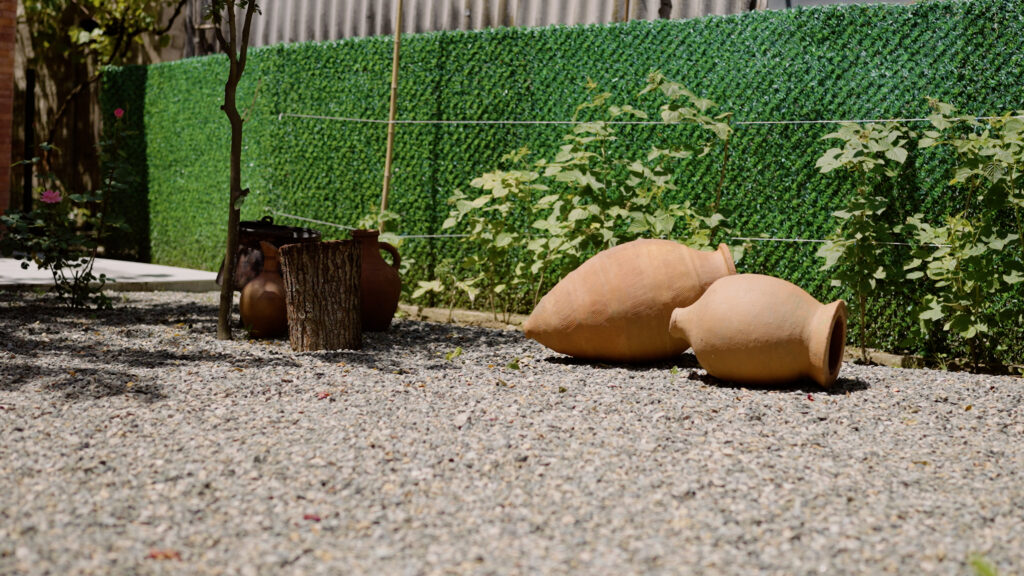
Through the EU-supported project “Green Guria,” the winery underwent a substantial expansion. This support enabled the acquisition of modern technology, including specialized wine storage tanks, a chiller, and oak barrels. These advancements allowed the winery to master both traditional qvevri methods and European-style winemaking. Furthermore, the establishment of a small-scale laboratory now ensures constant quality control throughout the production process.
“Our primary niche is a commitment to quality,” says Tatia Gogiberidze, owner of the family winery. “Guria is a small region where winemaking had significantly declined, often being associated only with ‘Adesa.’ However, as authentic Gurian varieties began to be restored, more winemakers emerged. Our focus is not on quantity, but on producing and popularizing rare, local wines.”
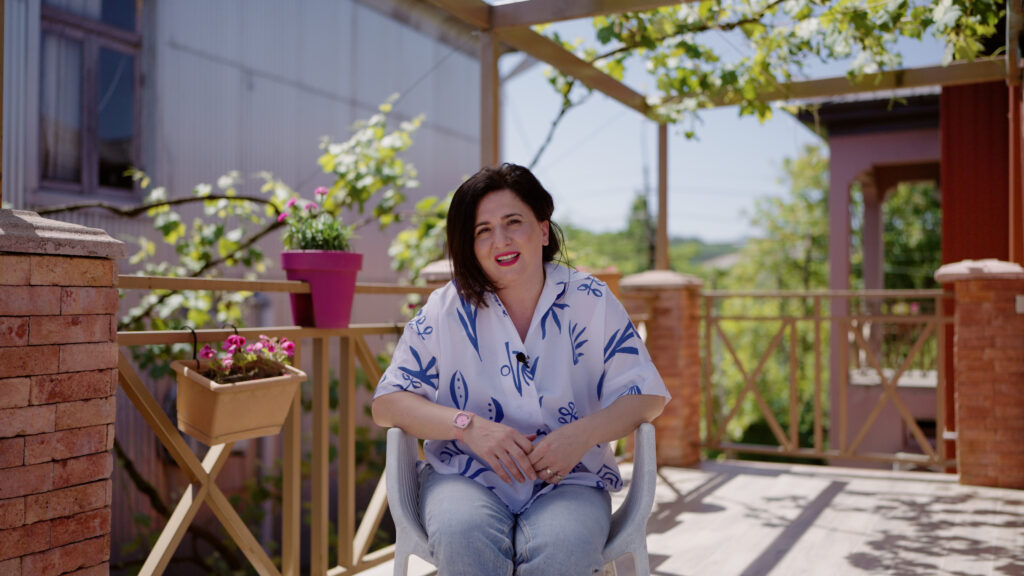
The project’s support was pivotal in enhancing wine quality through modern control mechanisms. With the grant received under “Green Guria,” the winery purchased state-of-the-art tanks and set up a laboratory that elevated the entire production standard. Producing European-style wine was a particular challenge for Nodo’s Winery, as it demands rigorous technological discipline and precise temperature control – conditions that were nearly impossible to maintain with traditional equipment.
“It was a dream of ours to own tanks with cooling jackets and automated systems that allow us to maintain the required temperature easily,” Tatia explains. “Due to the high costs involved, this felt like a distant prospect, but the project made it a reality. For us, this equipment means the ability to produce truly high-quality wine.”
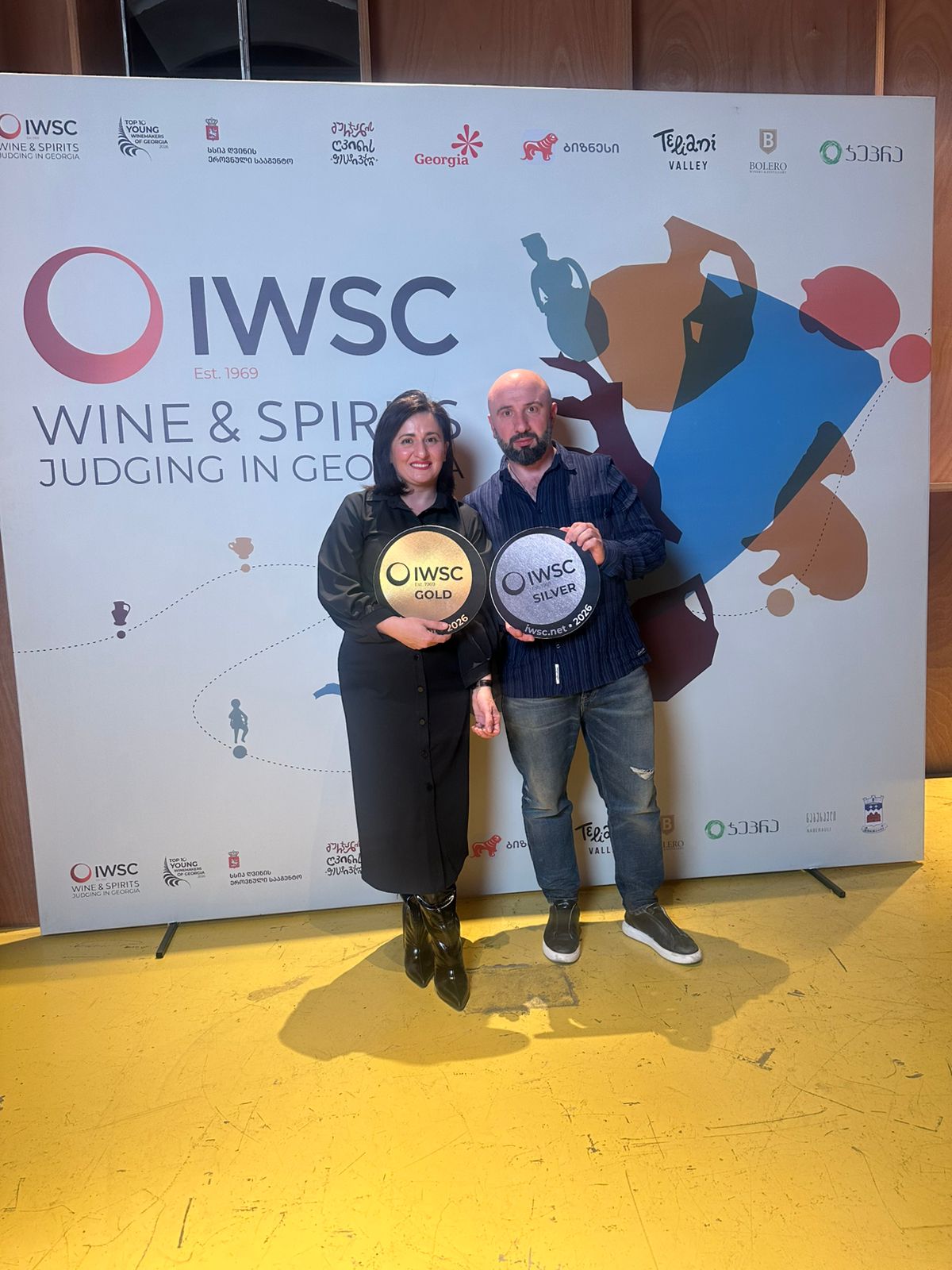
This dedication to excellence is reflected in the winery’s consistent presence at major competitions. For the past few years, they have been regular participants at Wine Expo, earning silver medals for two consecutive years. Their most notable success came at the IWSC – one of the top five global wine competitions where their Chkhaveri won a gold medal and was featured on international wine portals.
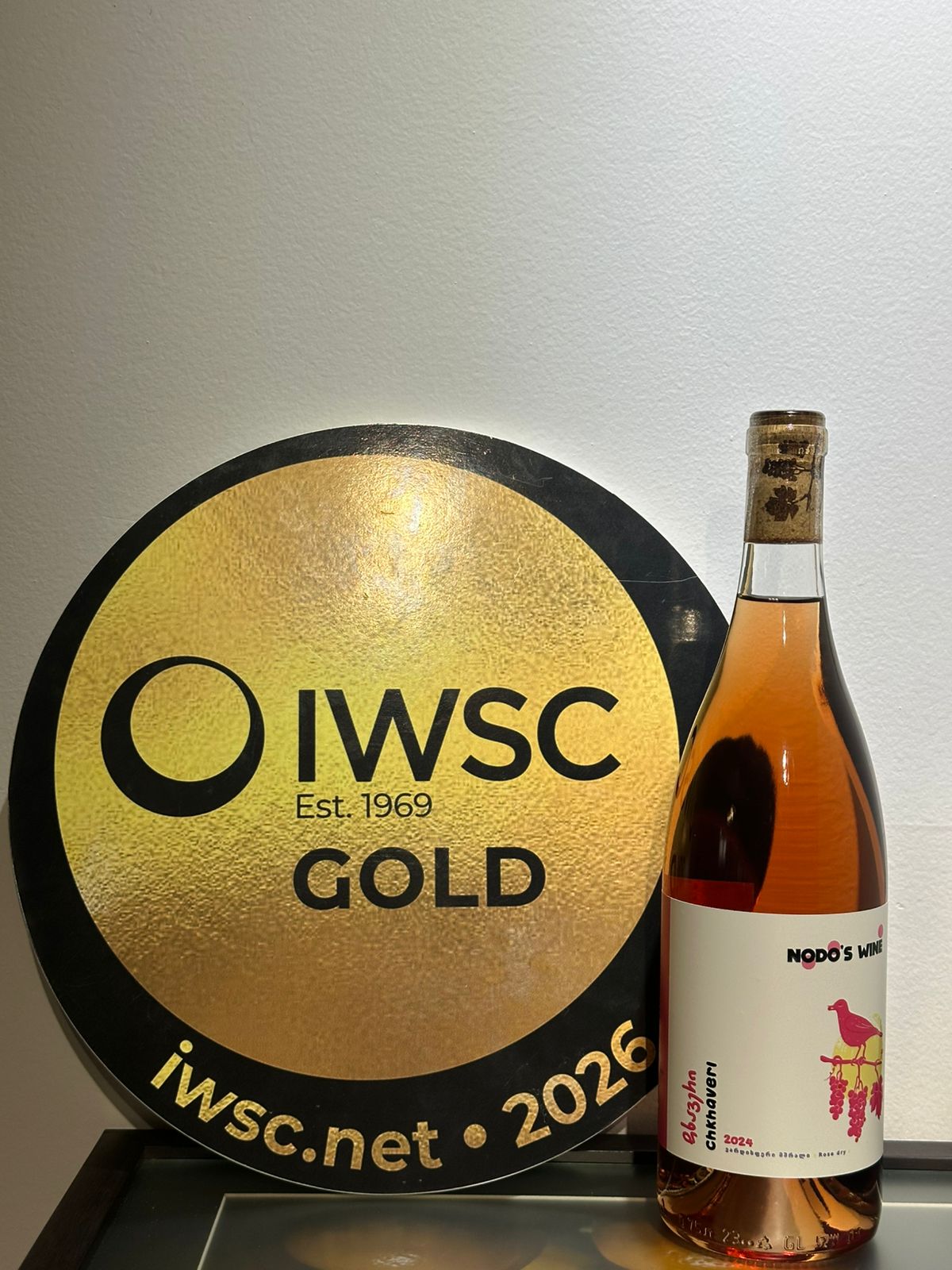
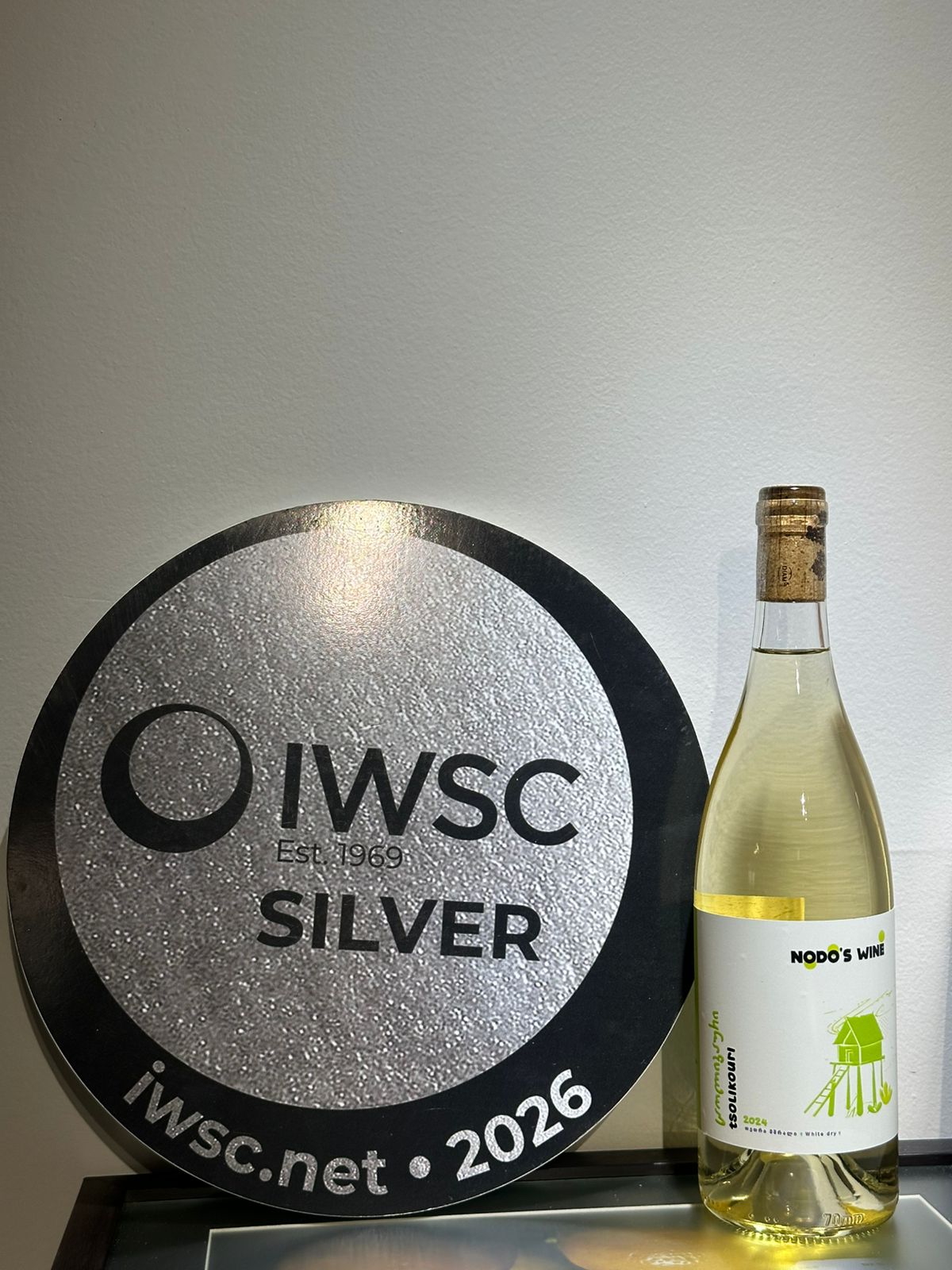
Much of this recognition is credited to the laboratory established during the first phase of the grant. For a winemaker, a laboratory is vital for accurately assessing the wine and ensuring that various chemical components meet established standards. Before this, the team had to send samples to Eastern Georgia, a process that was both inconvenient and exhausting. Since early 2025, this laboratory has gained regional importance; while it does not issue official certifications, other local winemakers in Guria frequently visit Nodo’s Winery to test their own wines.
Today, the winery offers a diverse range of products. They produce Aladasturi in two different styles and several varieties of Chkhaveri, while Tsolikouri remains one of their signature offerings. This year brings an exciting novelty: thanks to the modern tanks, they will bottle their first Tsolikouri and Chkhaveri blend – a Rosé. Future plans are even more ambitious, with the bottling of Mtevandidi scheduled for March 2026, alongside the production of the rare Sakmiela variety.
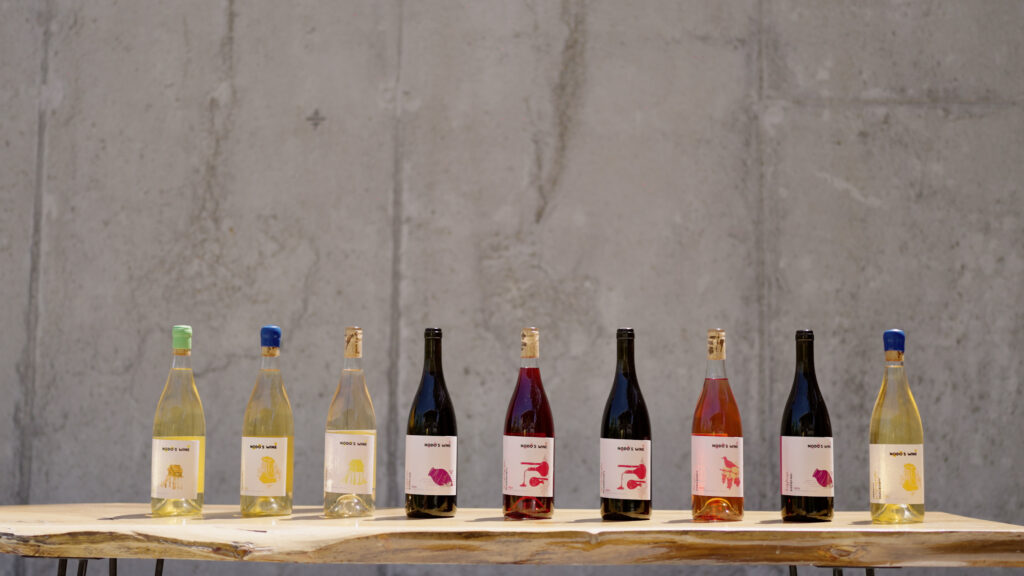
The support from the European Union and CENN has allowed Nodo’s Winery to double its production from 2,500 to 5,000 bottles. Sales are on the rise, and the wines are successfully distributed in various restaurants and wine bars across Guria, Batumi, Senaki, and Tbilisi. It stands as a testament to how a small family initiative, fueled by the right support, can evolve into a high-tech, award-winning brand.
This article has been produced with the assistance of the European Union. Its contents are the sole responsibility of CENN and do not necessarily reflect the views of the European Union.”