For the modern traveler, scenic landscapes alone are no longer enough – today’s true value in tourism lies in authentic integration and firsthand experiences. With this in mind, and through the support of the European Union under the “Green Guria” project, agro tourism spaces have been developed across the region, transforming traditional farming into a captivating journey. Here, visitors are no longer mere observers; they become active participants in the process, giving Guria’s agricultural potential a brand-new educational and tourism dimension.
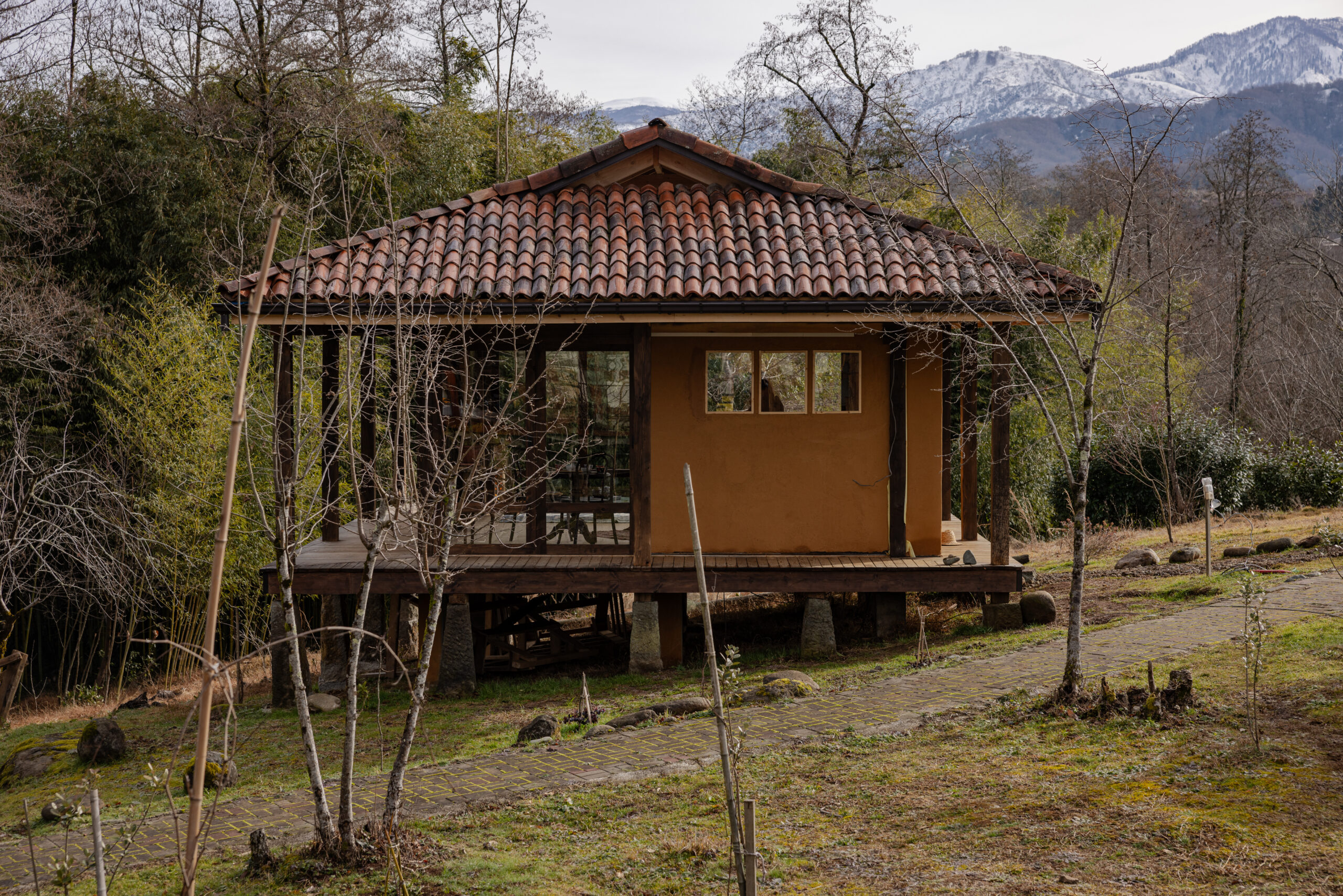
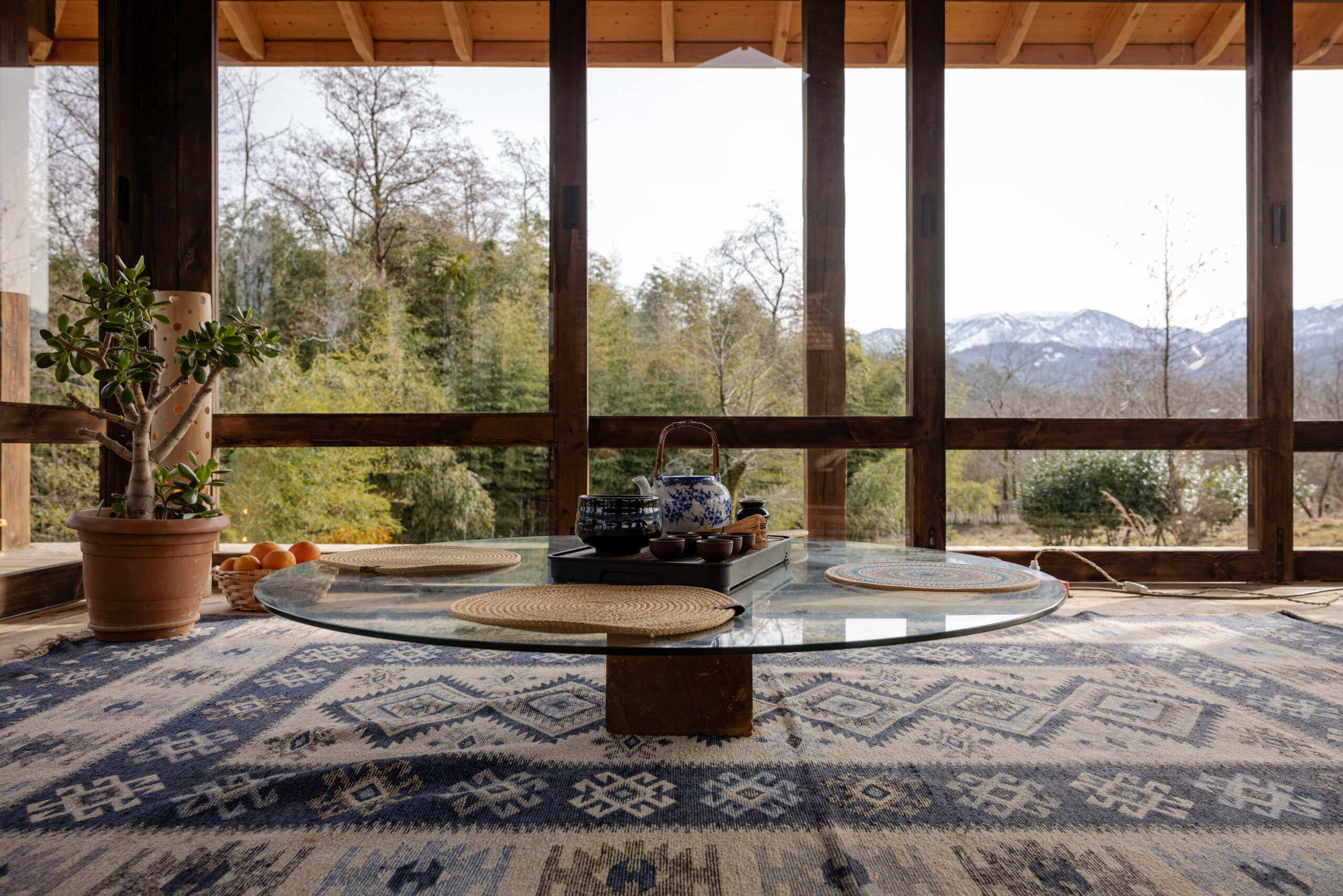
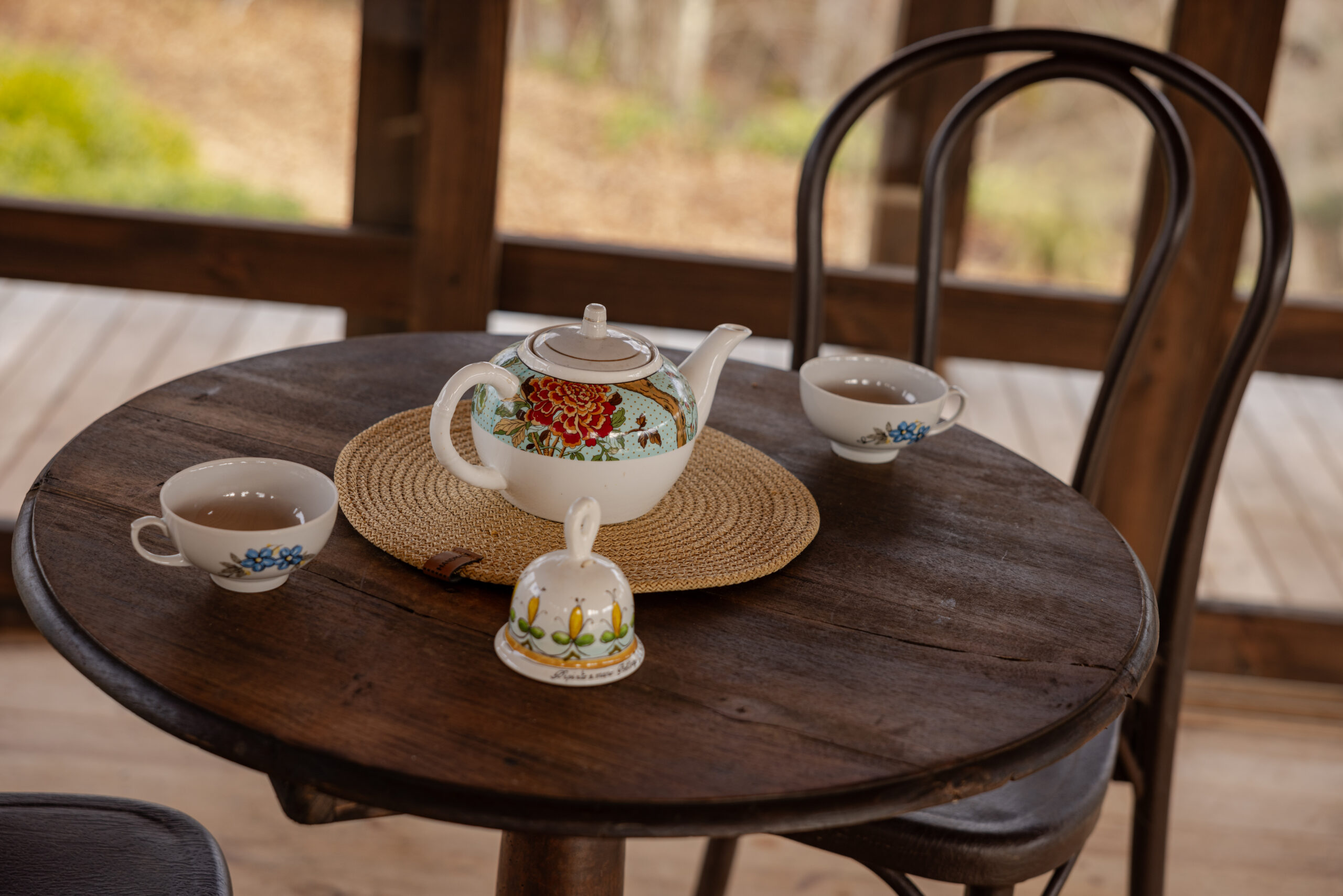
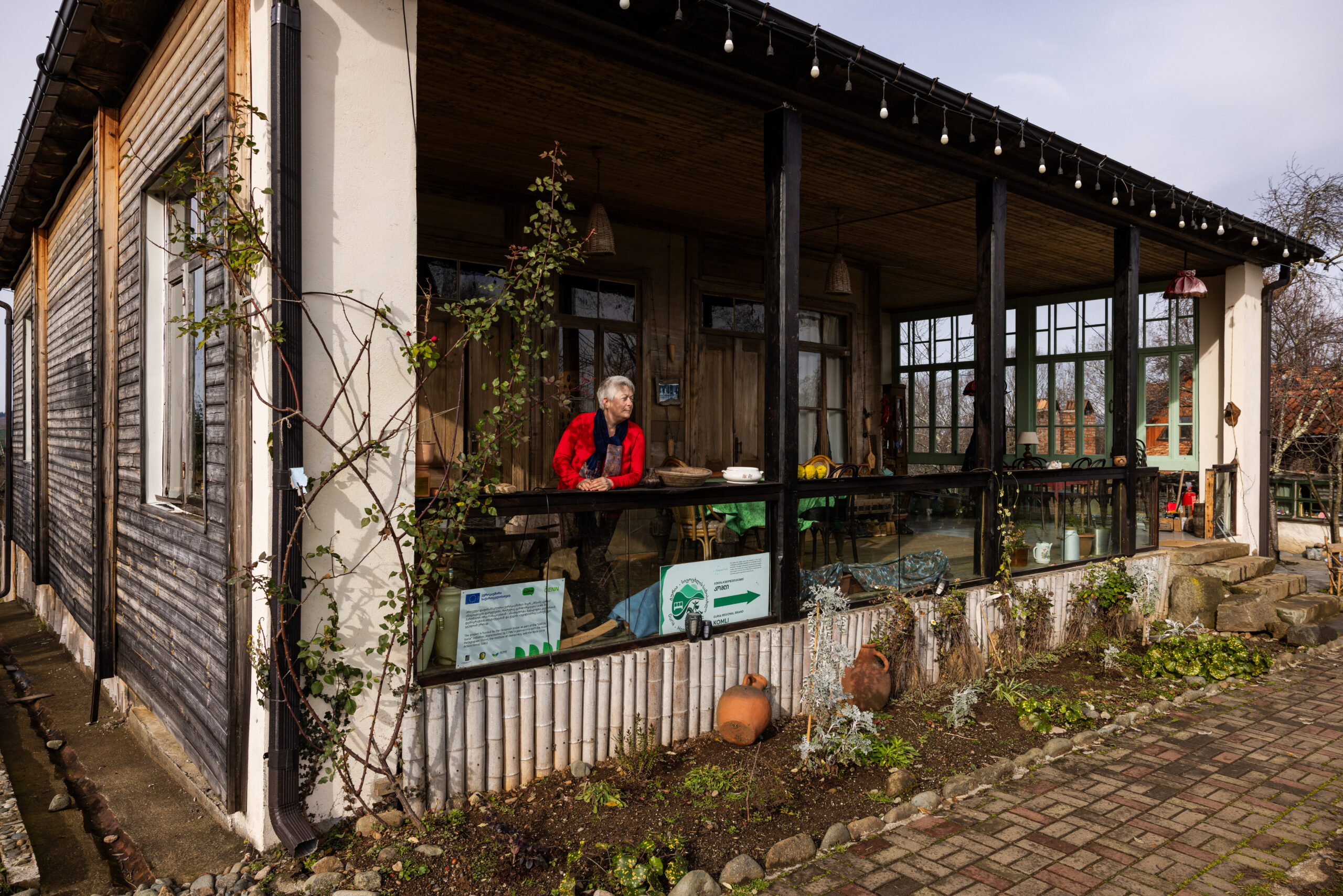
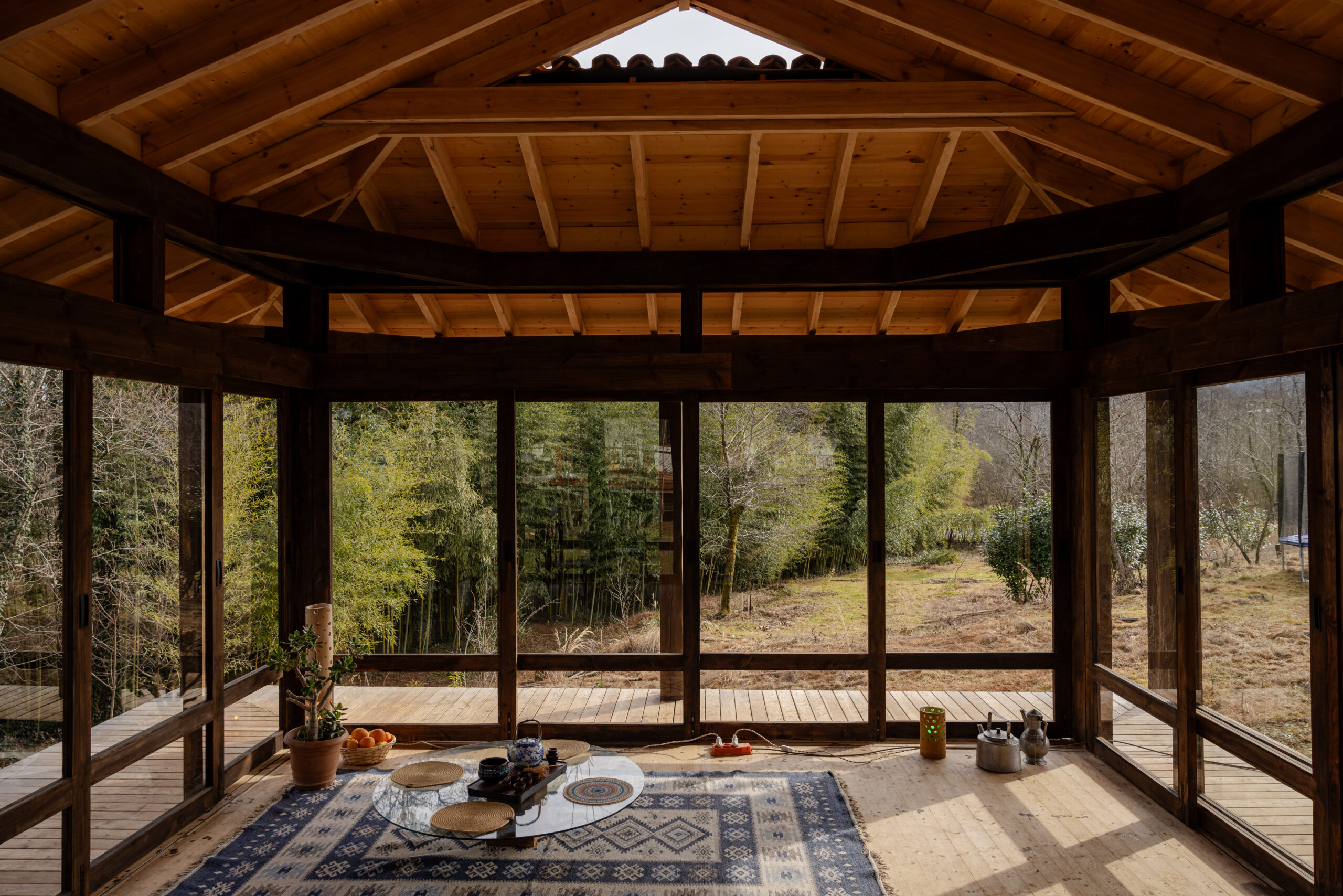
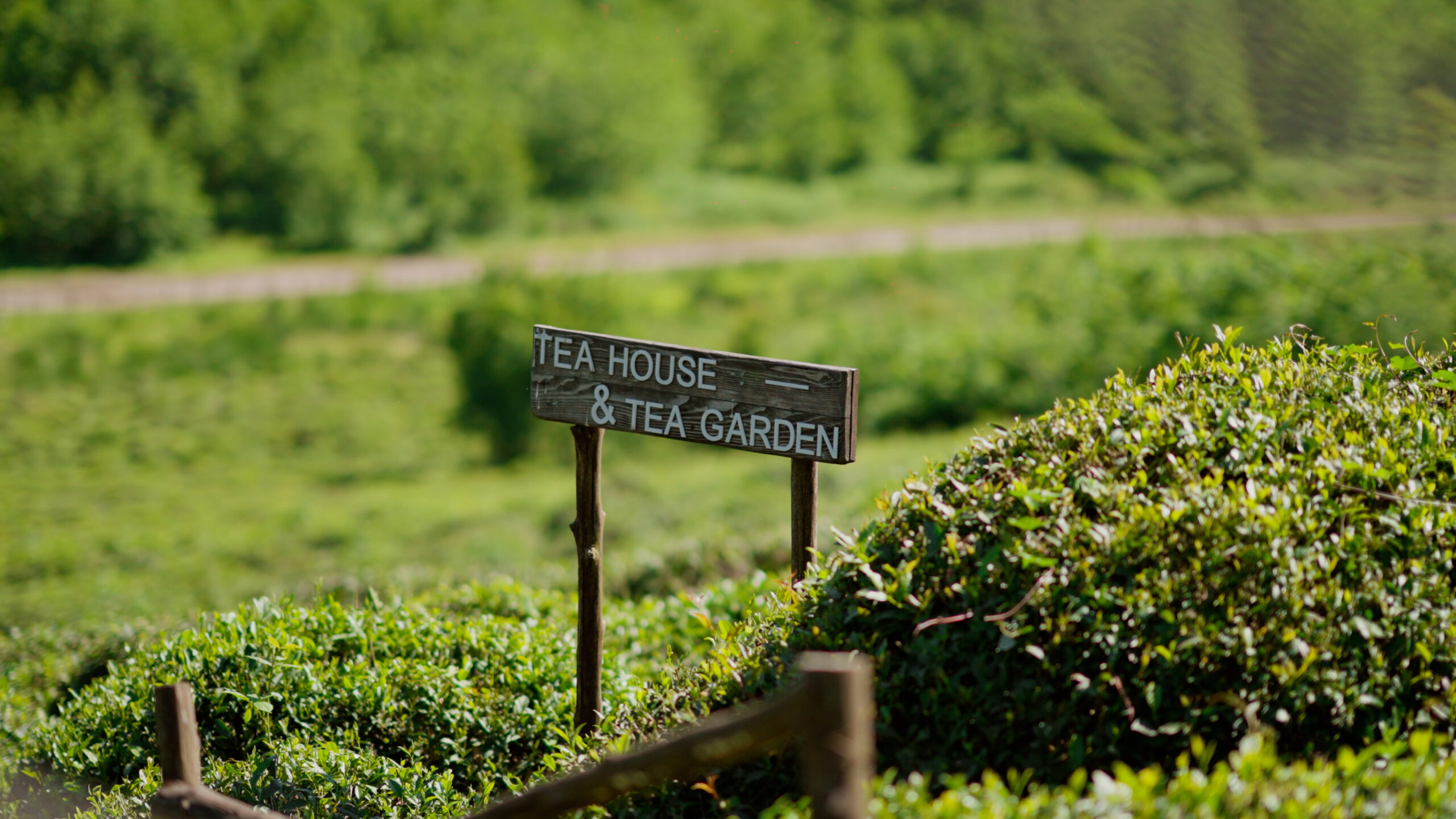
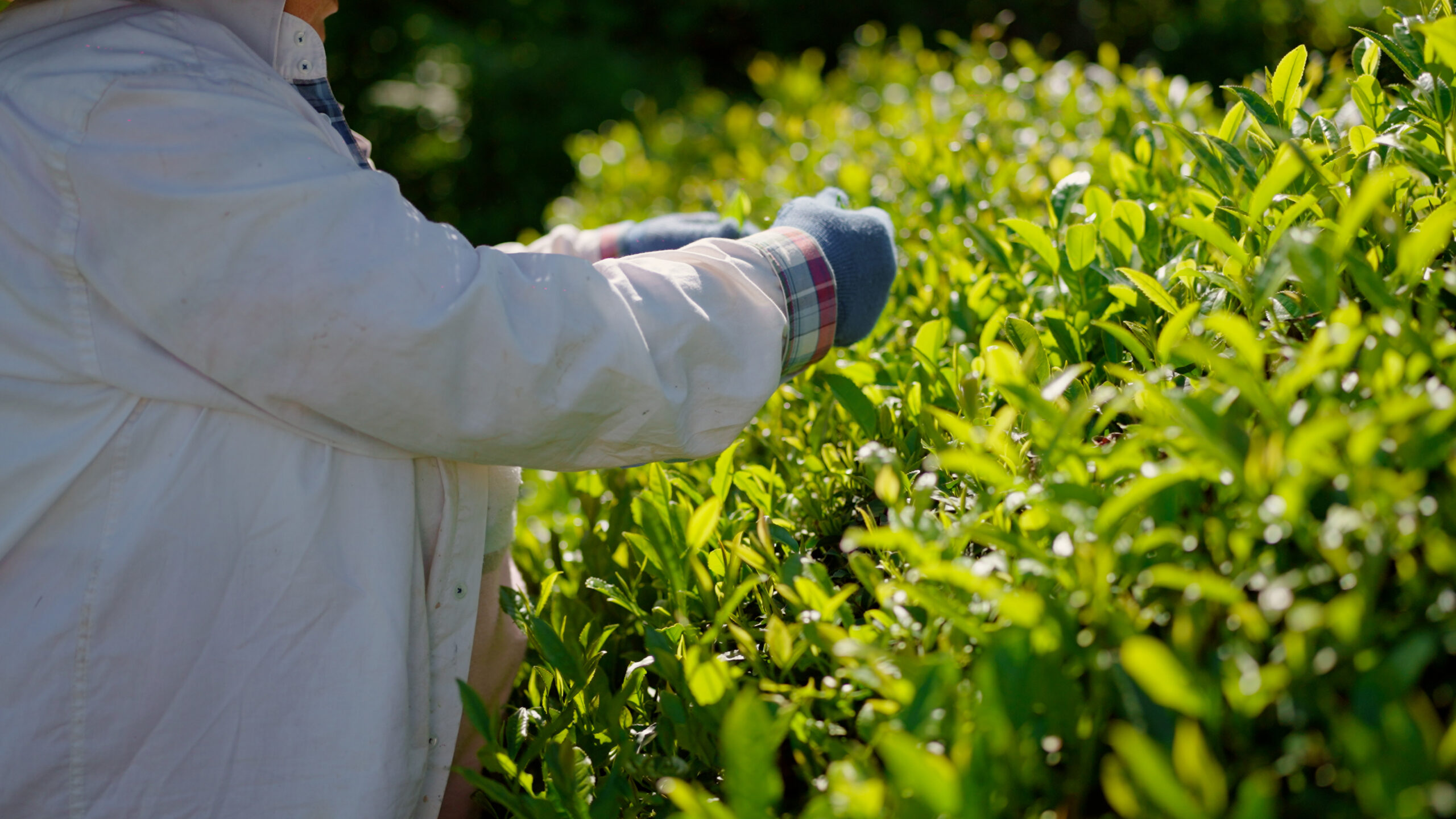
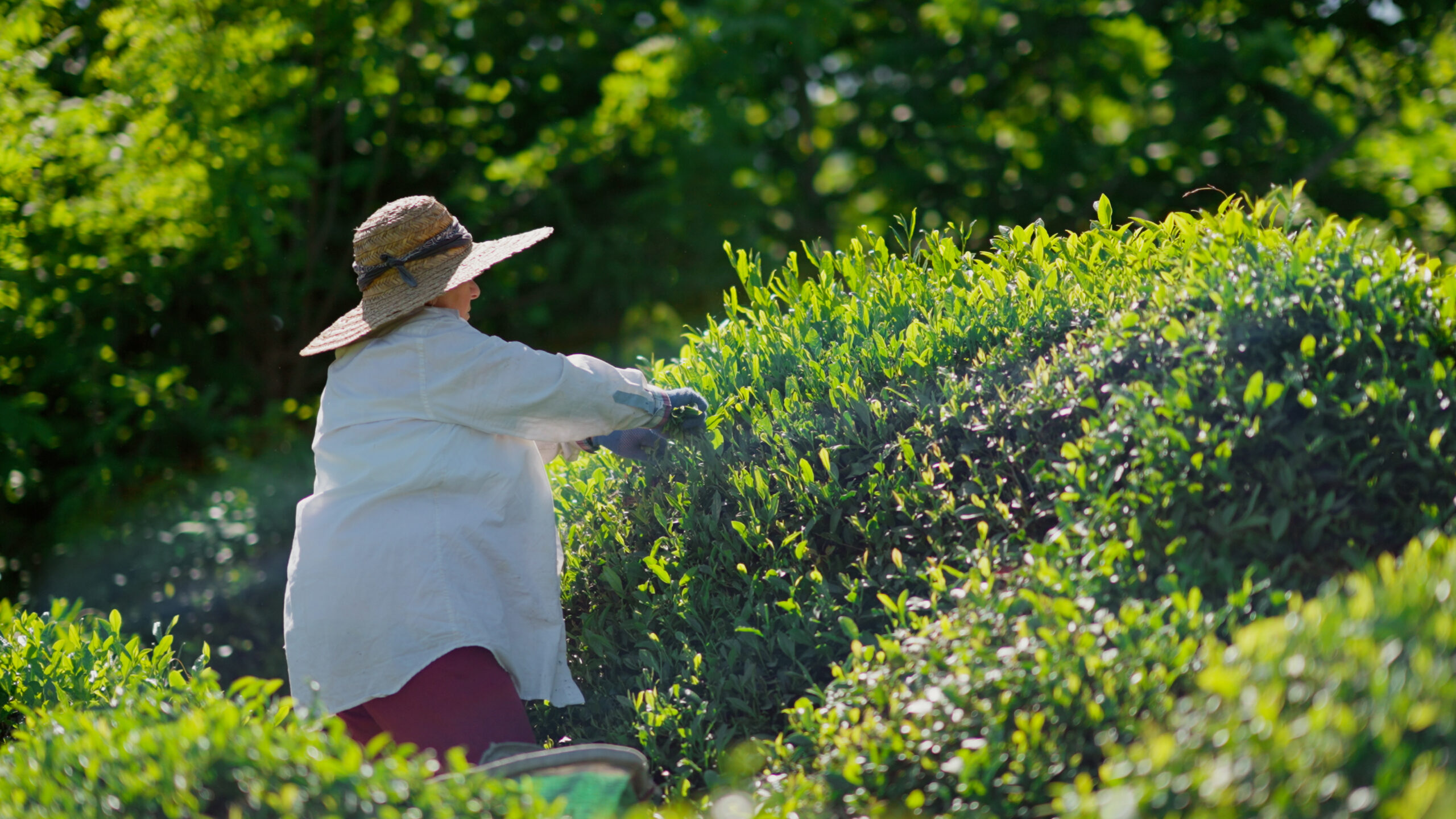
The journey of interactive adventure begins at the “Tea Museum” in the village of Shemokmedi, Ozurgeti. This innovative project by Lia Megreladze, implemented at the “Komli” eco-house, offers guests the chance to engage in the entire tea production cycle. Visitors can hand-pick tea leaves, attend professional masterclasses, and learn traditional brewing methods. It is a unique opportunity for travelers to fully immerse themselves in the value of the region’s primary cultural heritage.
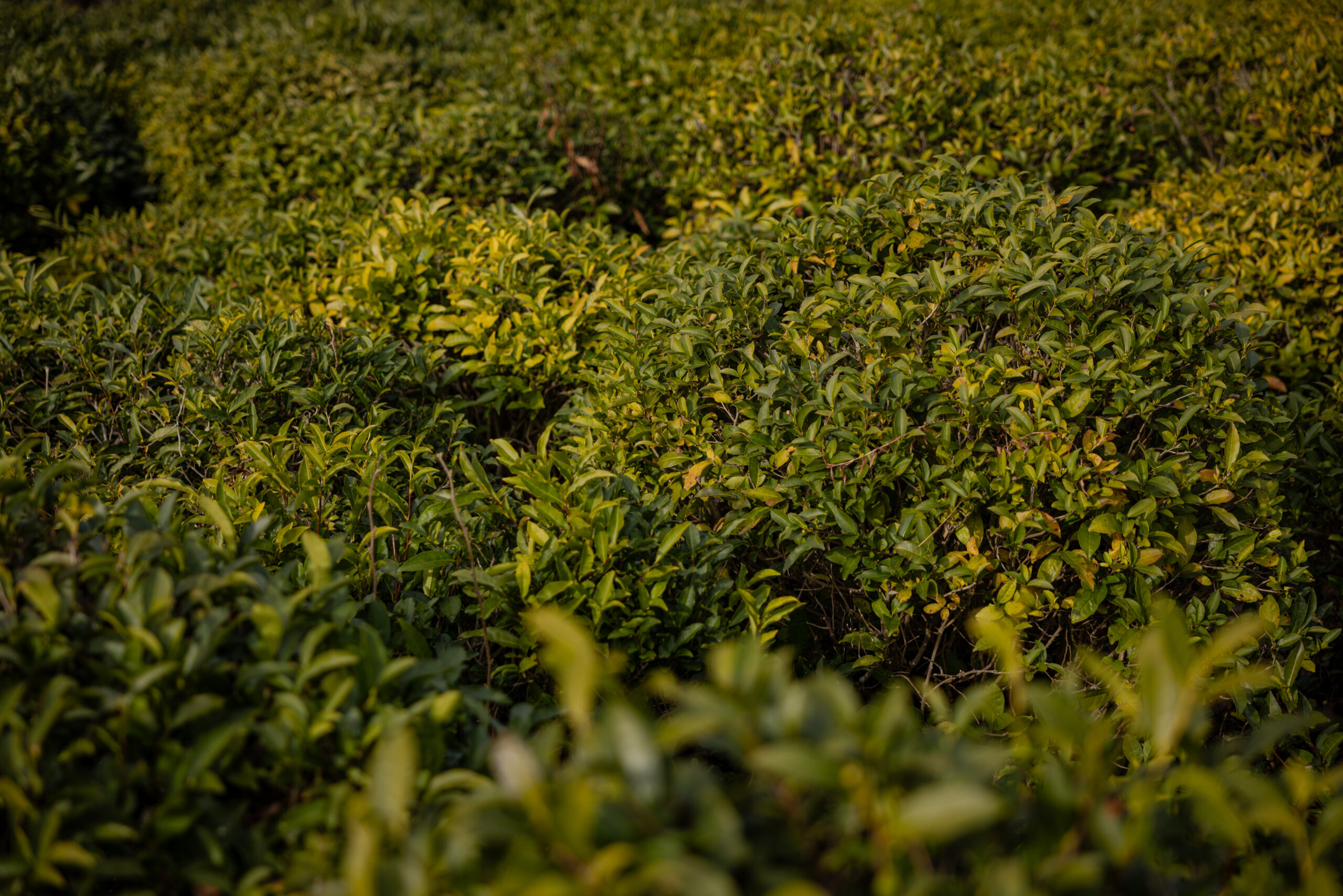
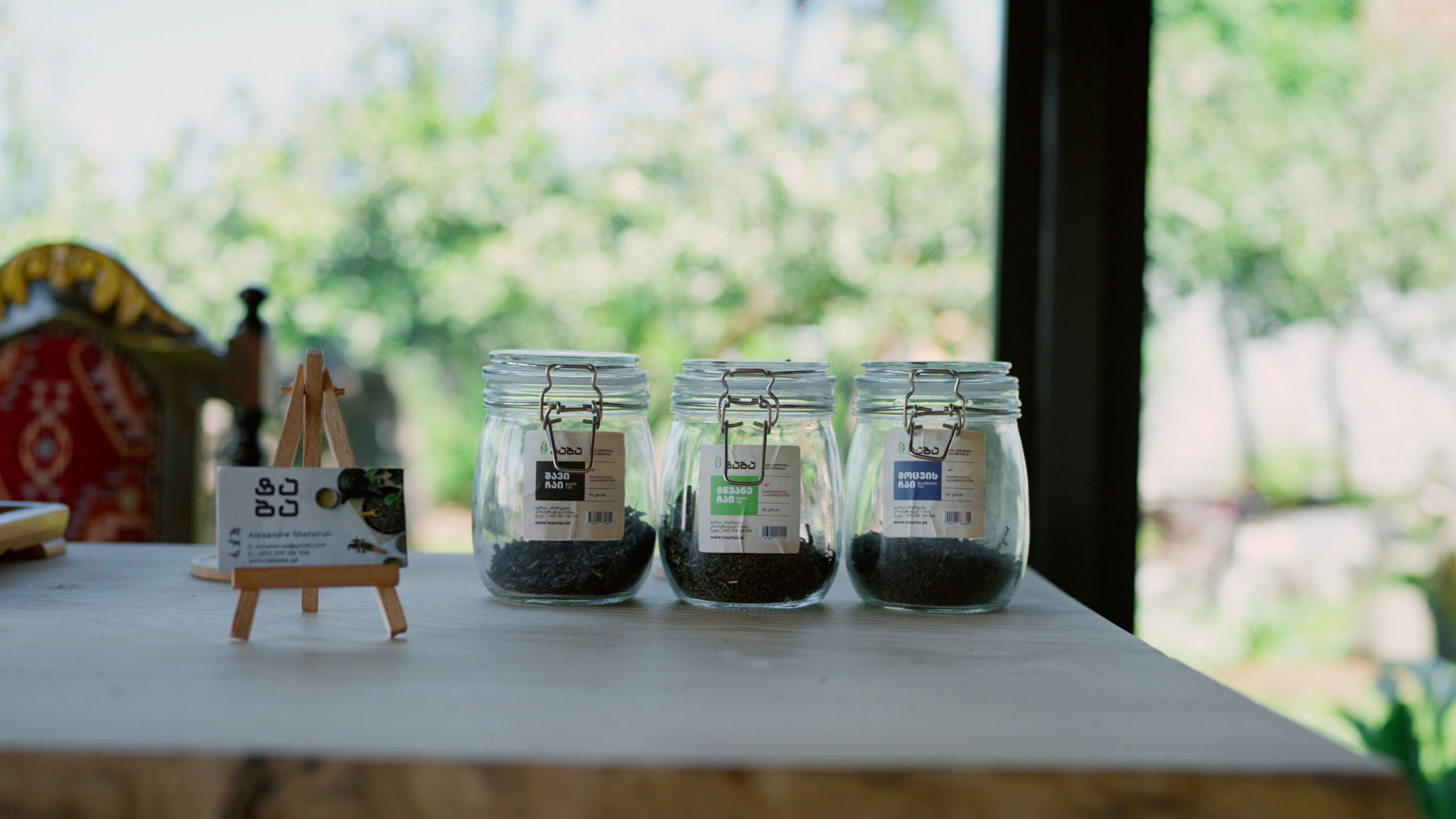
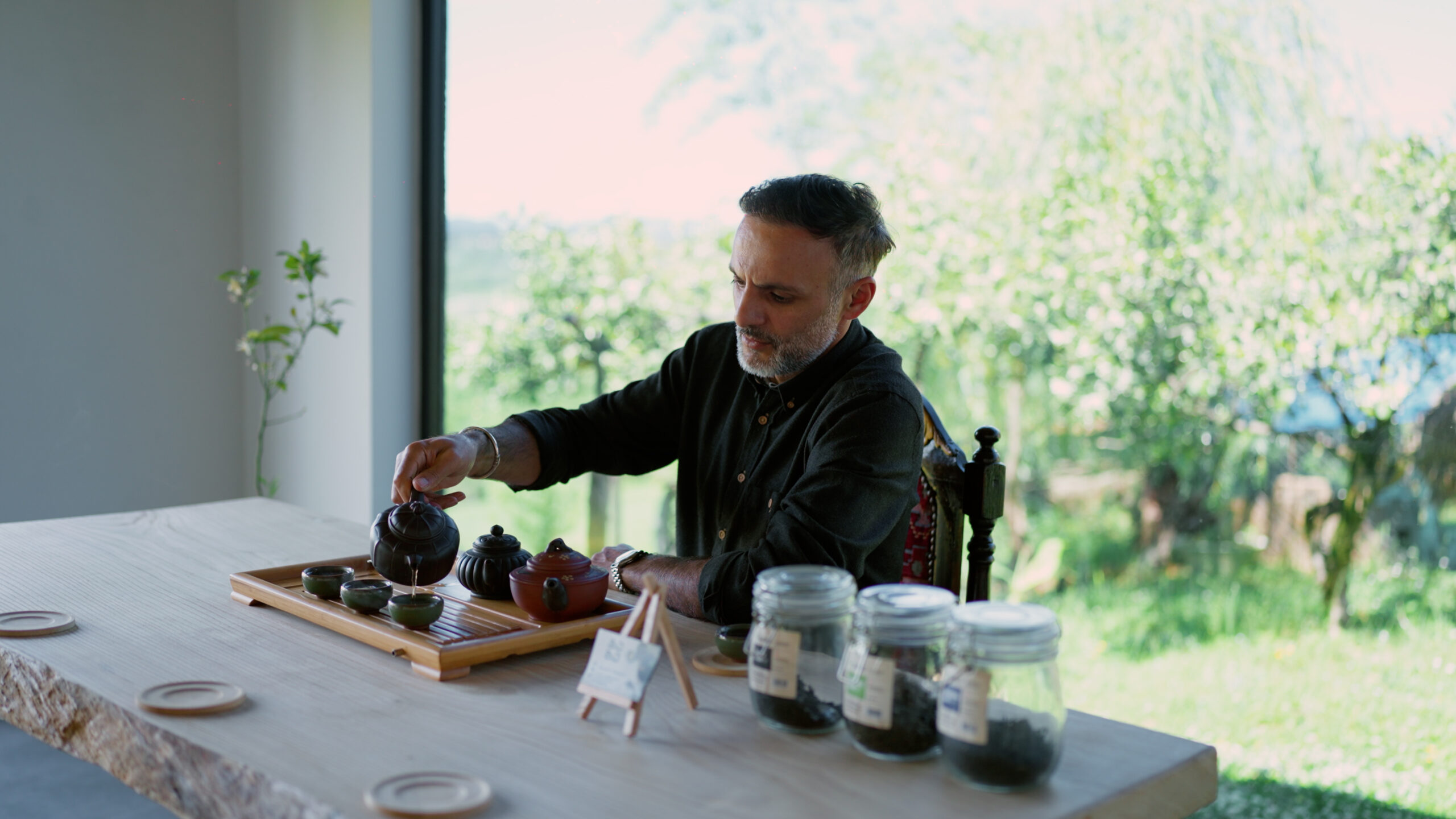
The tea route continues to the village of Melekeduri, where the “Taba” tasting house invites guests to historic plantations first established in 1933. This EU-supported space is a prime example of agro-tourism: visitors can stroll through the plantations, observe harvesting technologies, and then, in a cozy setting, taste seven distinct varieties of aromatic tea. This living process transforms traditional production into a compelling tourist destination.
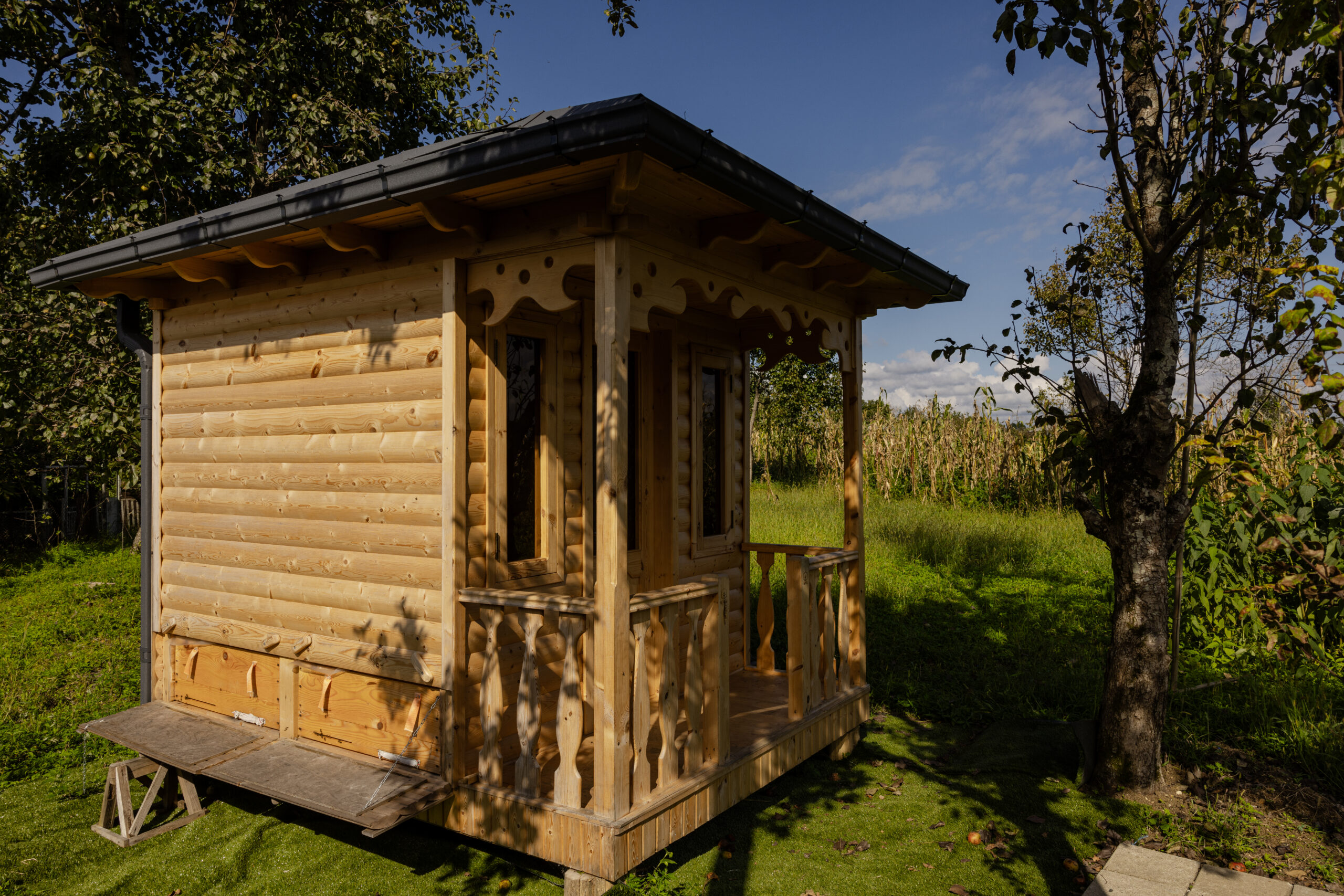
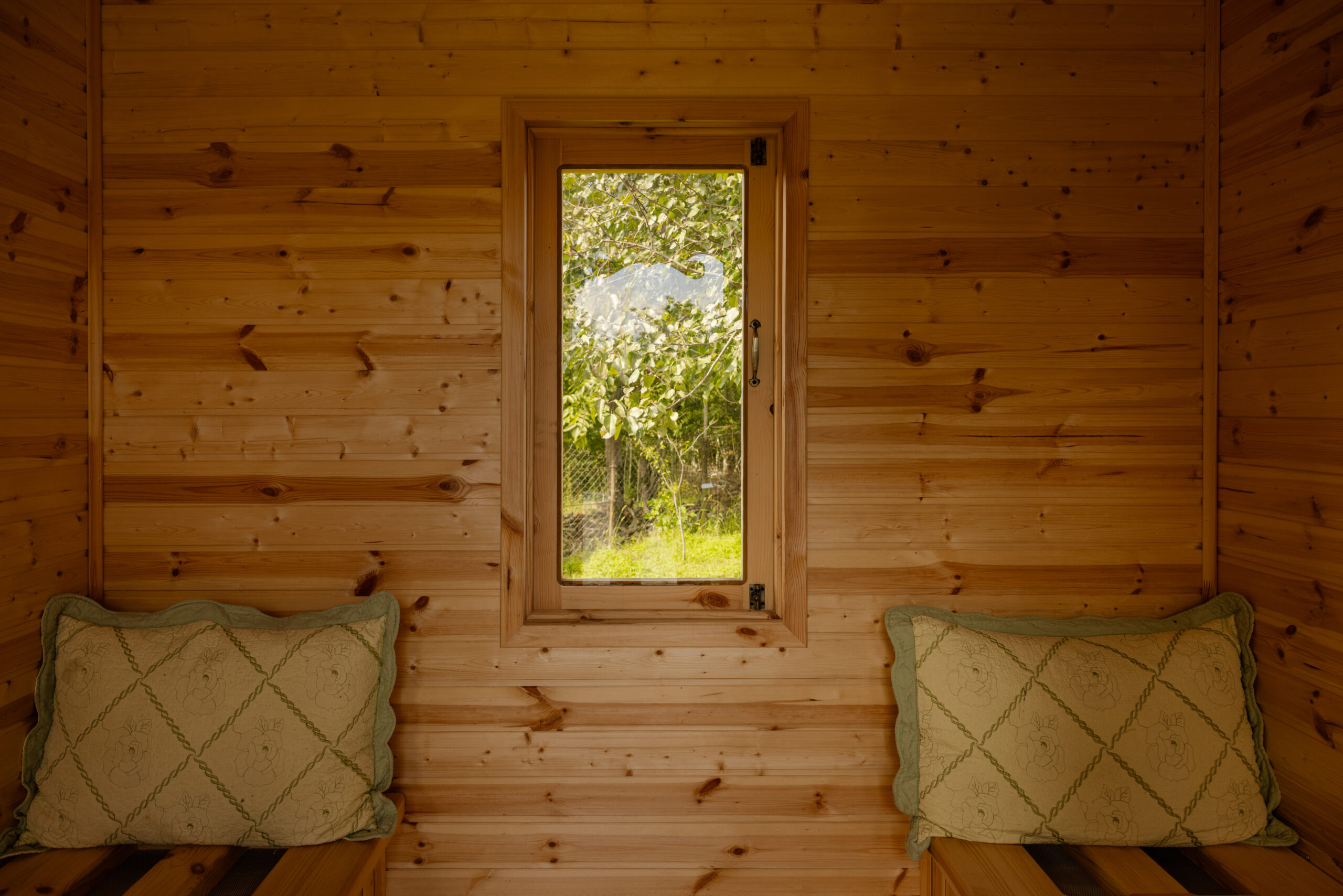
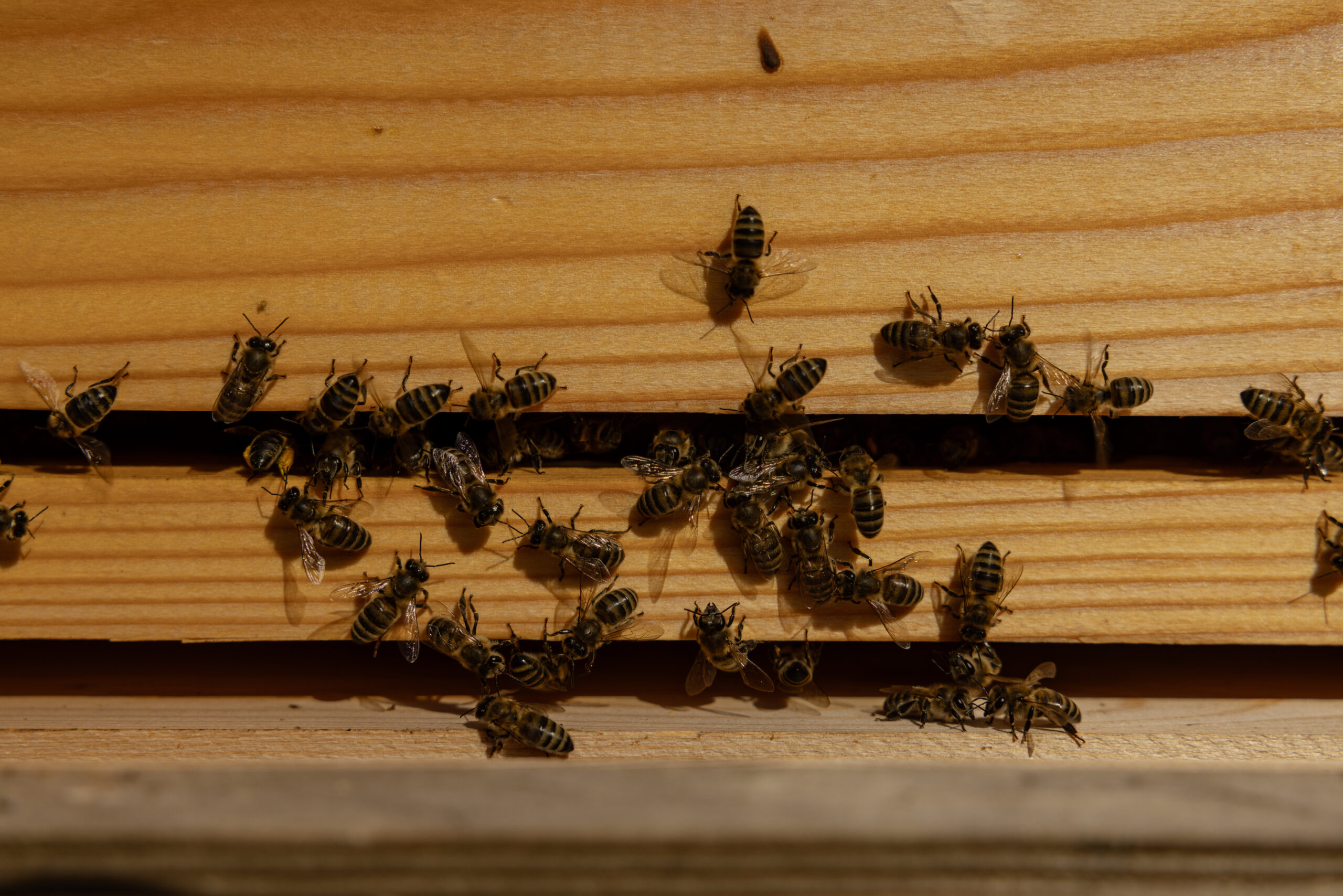
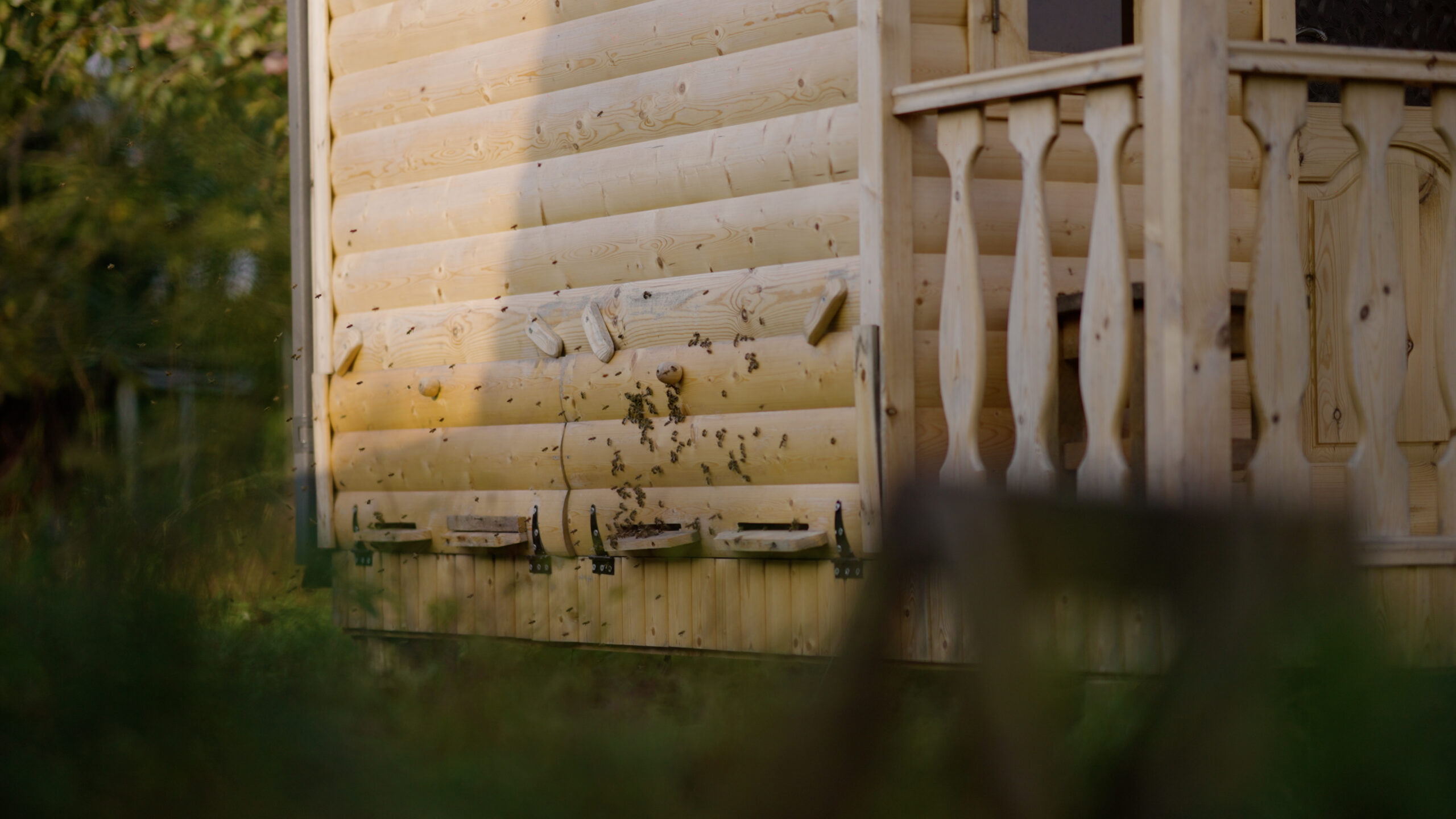
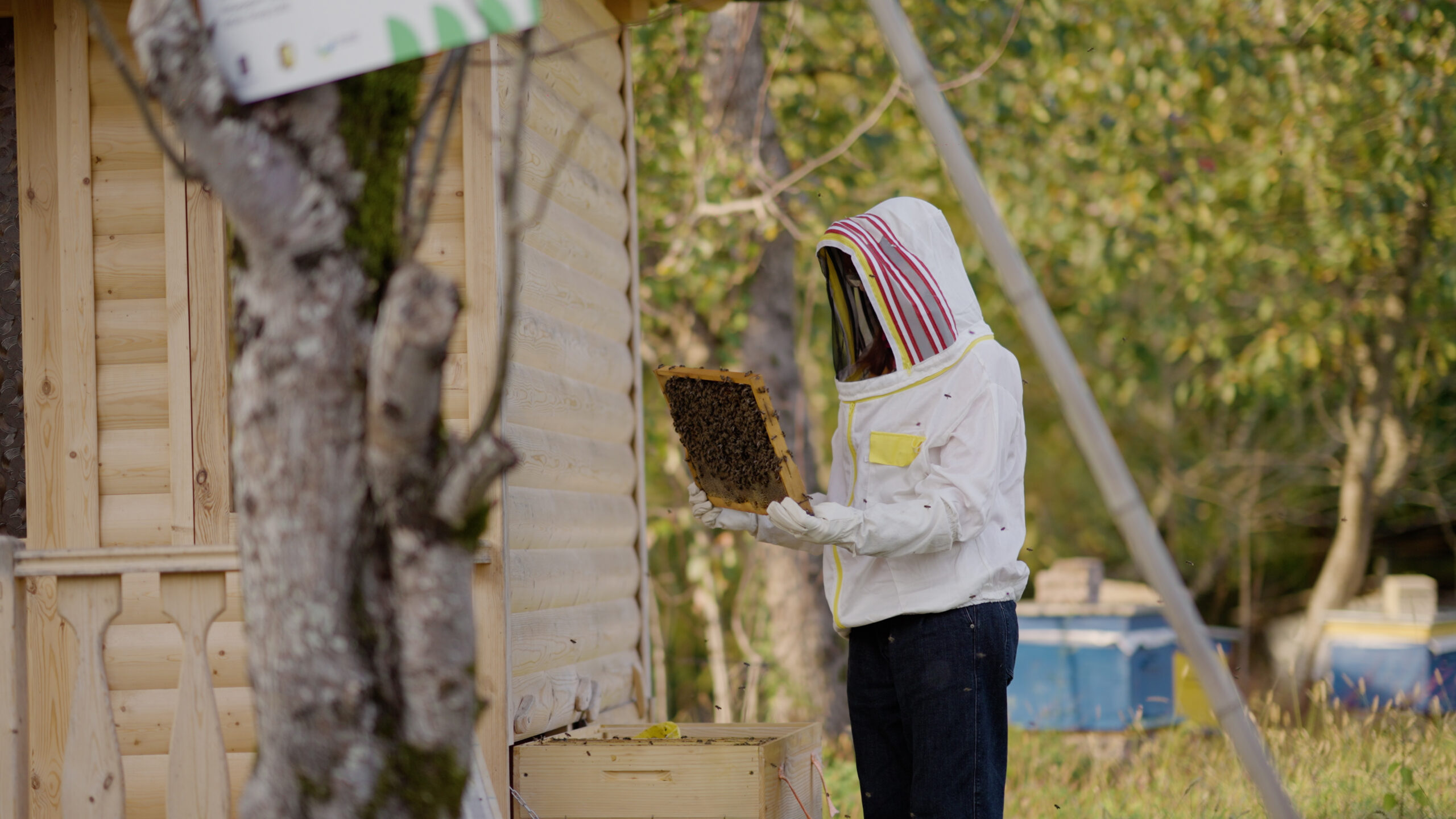
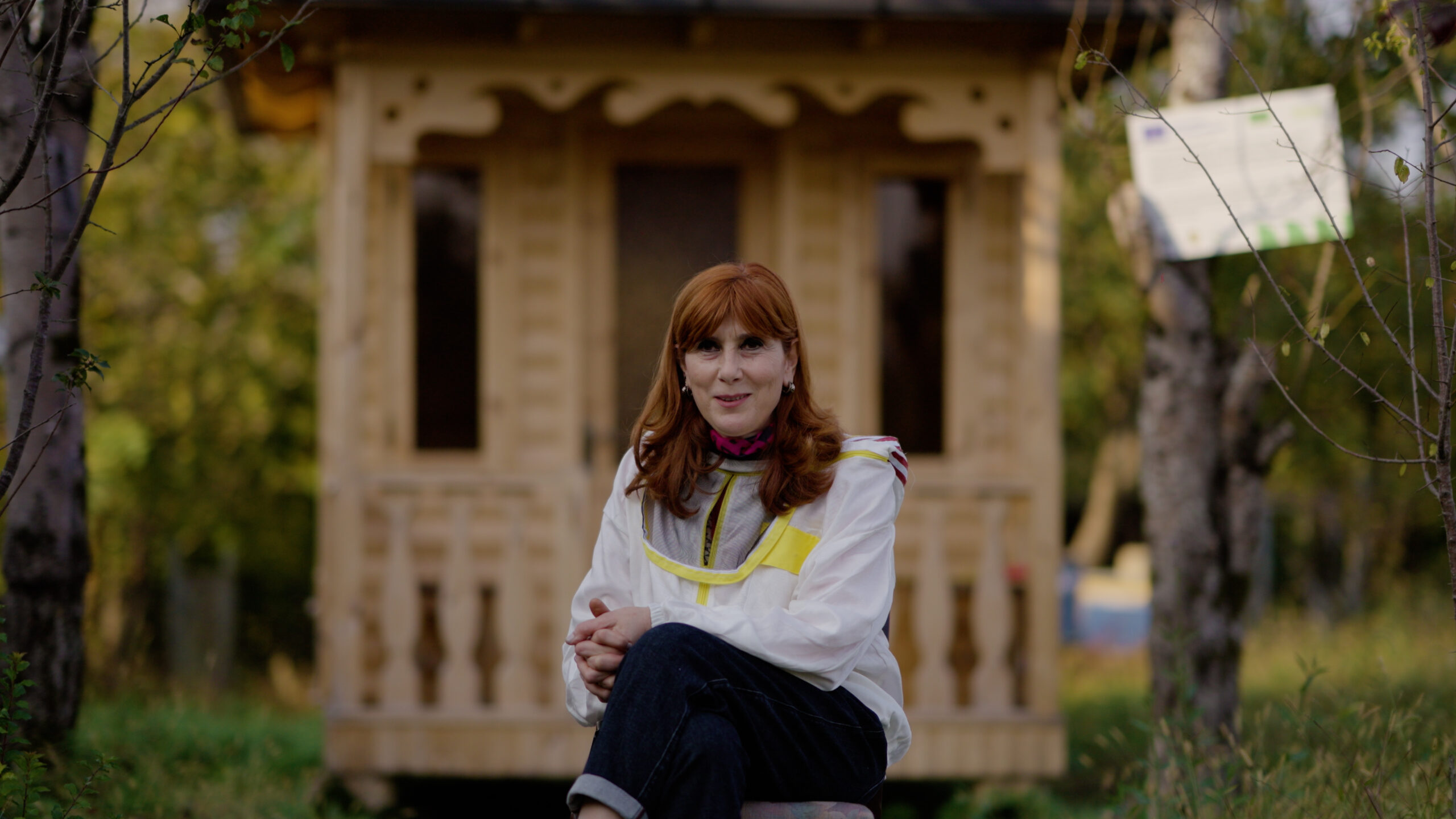
A truly unique and wellness-oriented dimension of Guria’s agro tourism potential is Ketevan Goguadze’s “Apisakhli” in Natanebi. Here, traditional beekeeping has been transformed into an innovative service – guests can experience the power of apitherapy firsthand: breathing in ozonized air produced by bees and feeling the natural vibrations known for their healing properties. However, “Apisakhli” is more than a therapeutic space; it also serves a vital educational purpose. Through specialized workshops, visitors gain knowledge about ecosystem protection and the critical importance of bees, making this center a prime example of sustainable agro tourism.
These initiatives, supported by the European Union and CENN, prove that Guria is ready to offer the world high-standard, innovative agro tourism. Here, discovering traditional farming, environmental stewardship, and wellness experiences unite into a single, profound adventure. Developing Guria’s agricultural potential in this way creates a sustainable foundation for empowering local communities and raising environmental awareness.
This article was produced with the support of the European Union. Its contents are the sole responsibility of CENN and do not necessarily reflect the views of the European Union.