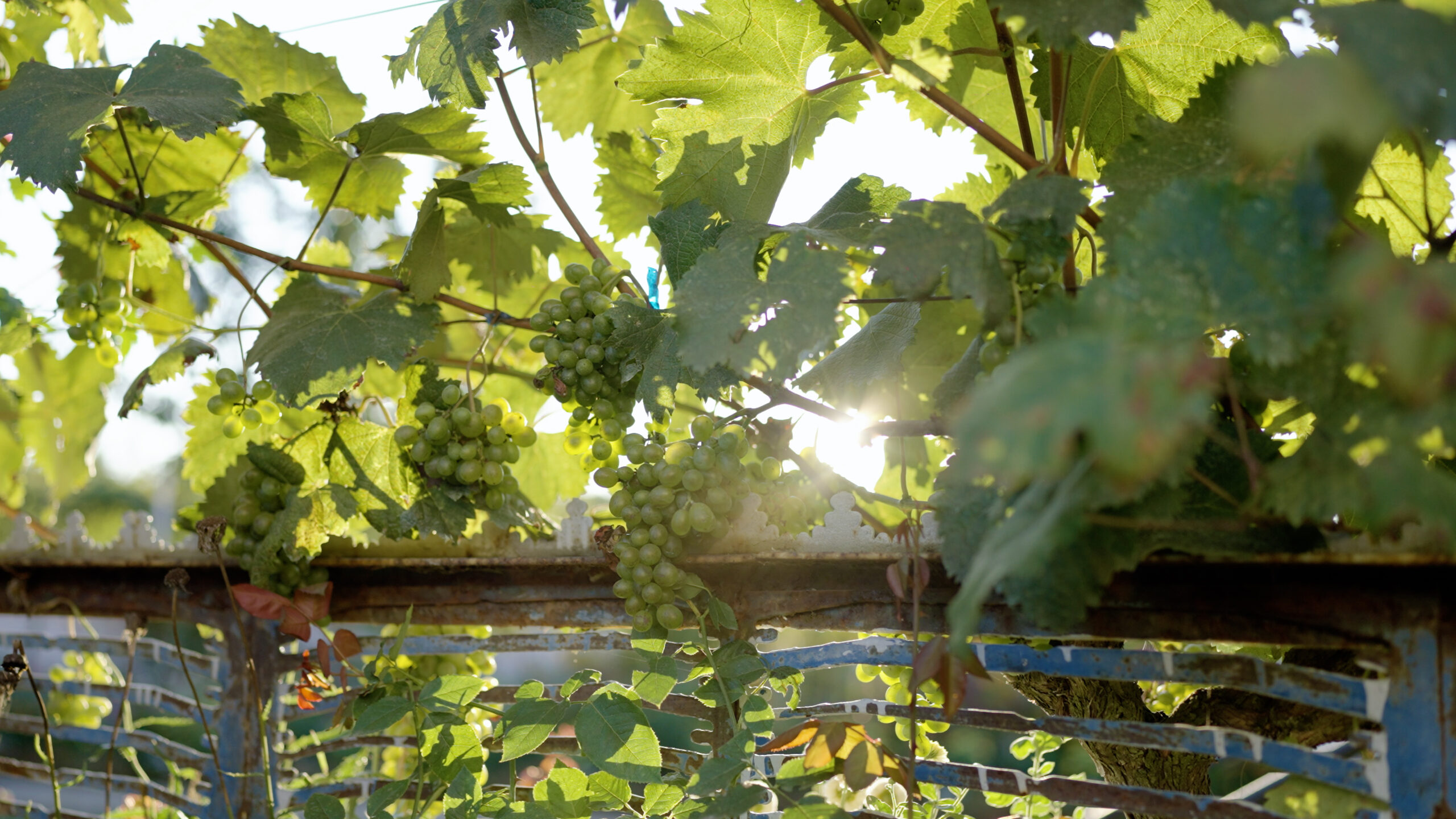
Guria, with its fertile soil and centuries-old viticulture and winemaking traditions, remains one of the most distinguished hubs for wine production in Georgia. As an ancient winemaking region where the culture of the vine has a unique history, the “Green Guria” project is breathing new life into these traditions. Supported by the European Union and CENN, the strengthening of local cellars and the qualitative improvement of their production have become the primary drivers for the region’s development.
The “Gurian Vine” cellar, belonging to Andro Vashalomidze and located in the village of Shemokmedi, Ozurgeti, is a prominent example of this support. Within the framework of the project, a full-cycle winery and cellar were established, where wine pressing, aging, and bottling are carried out according to the highest standards. In a specially designed tasting space, guests can sample unique Gurian wines and learn about the history of endemic varieties through specialized tours.
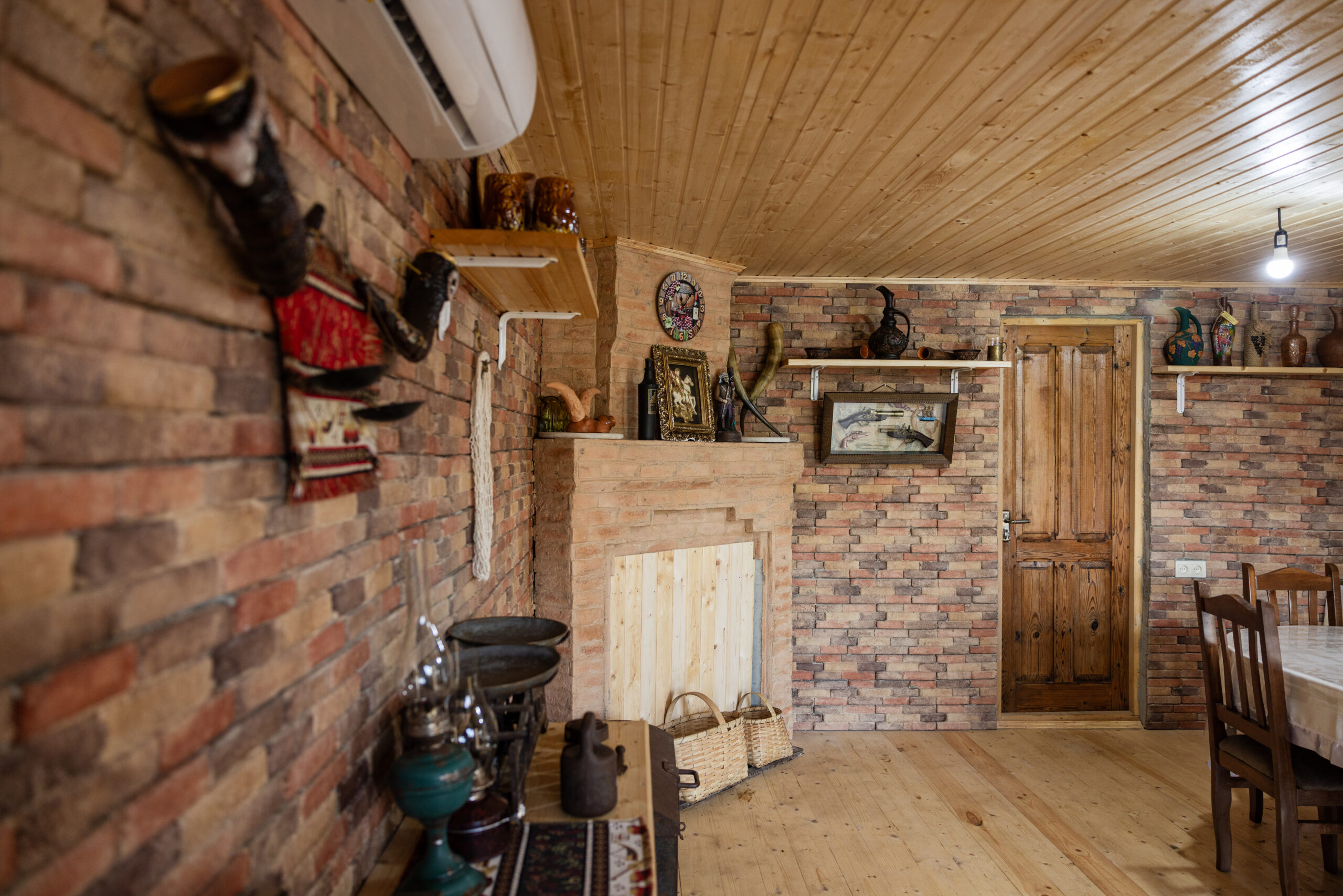
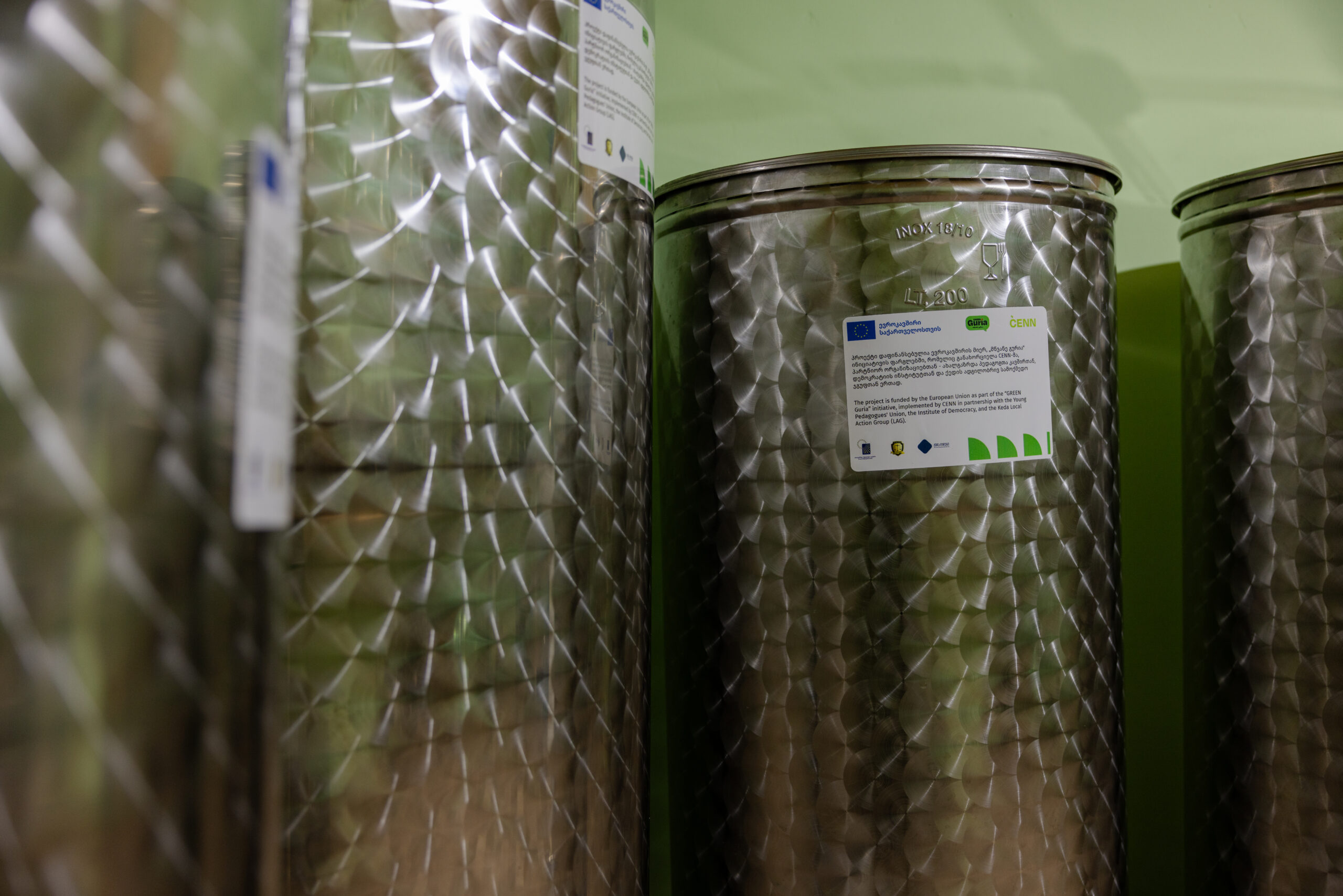
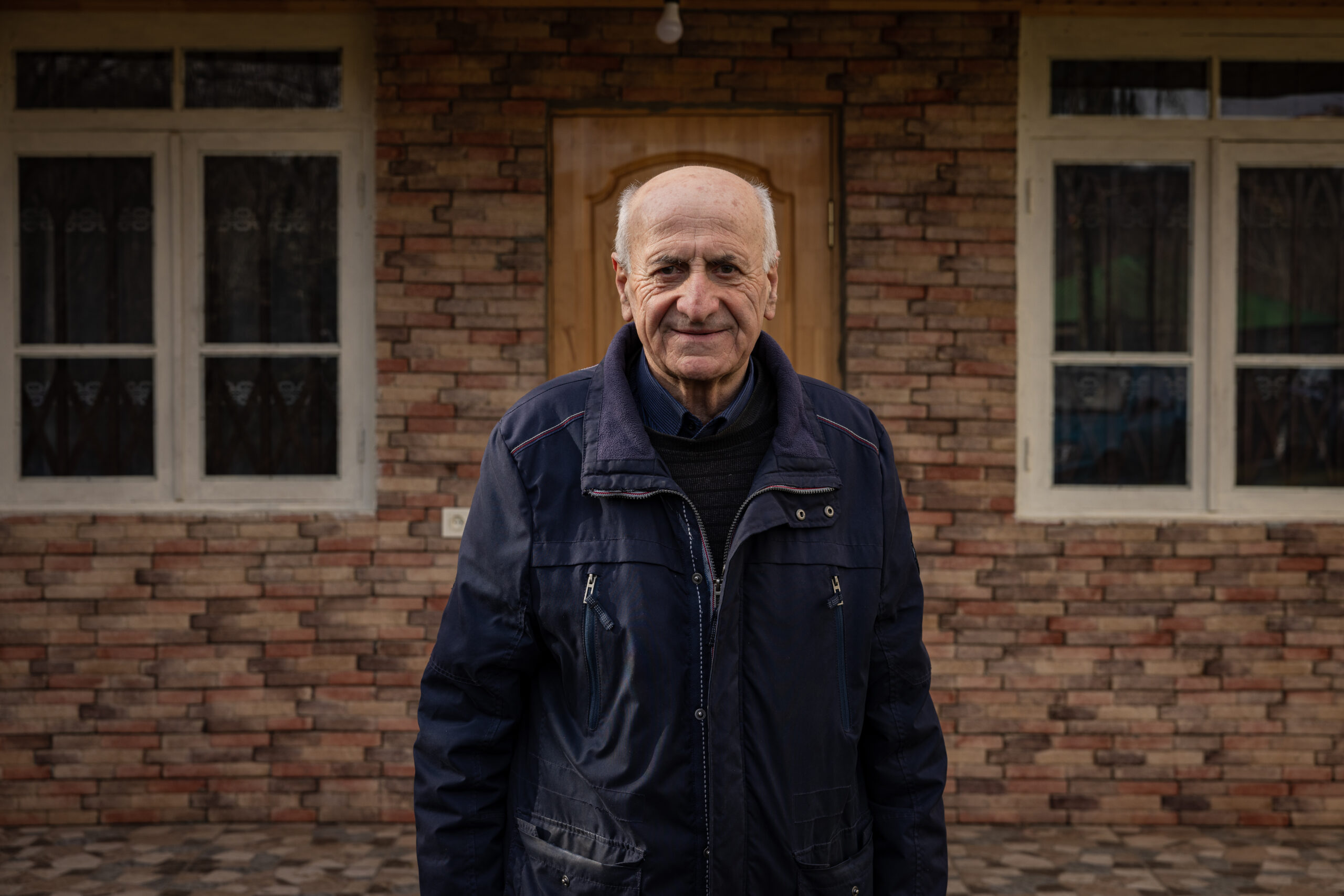
A similar blend of traditional vision and modern approaches distinguishes Gela Tsintsadze’s Family Cellar in the village of Guturi. As a sixth-generation winemaker, Gela Tsintsadze used the project’s support to restore authentic Gurian varieties and produce 12 types of wine using both traditional Georgian and European methods. The family cellar has become a space where old traditions and modern techniques harmoniously merge. As a result, Gela Tsintsadze can now share the unique taste and history of Gurian wine with both local consumers and foreign tourists.
In the village of Partskhma, Chokhatauri municipality, Besik Mepharishvili’s Family Cellar was fully renovated in accordance with HACCP standards with the help of the “Green Guria” project. These changes led to a sharp increase in production volume from 2,500 bottles to 6,500. Mepharishvili’s winery has become not only a producer of high-quality wine but also a tourist hub, contributing to the economic strengthening of the region.
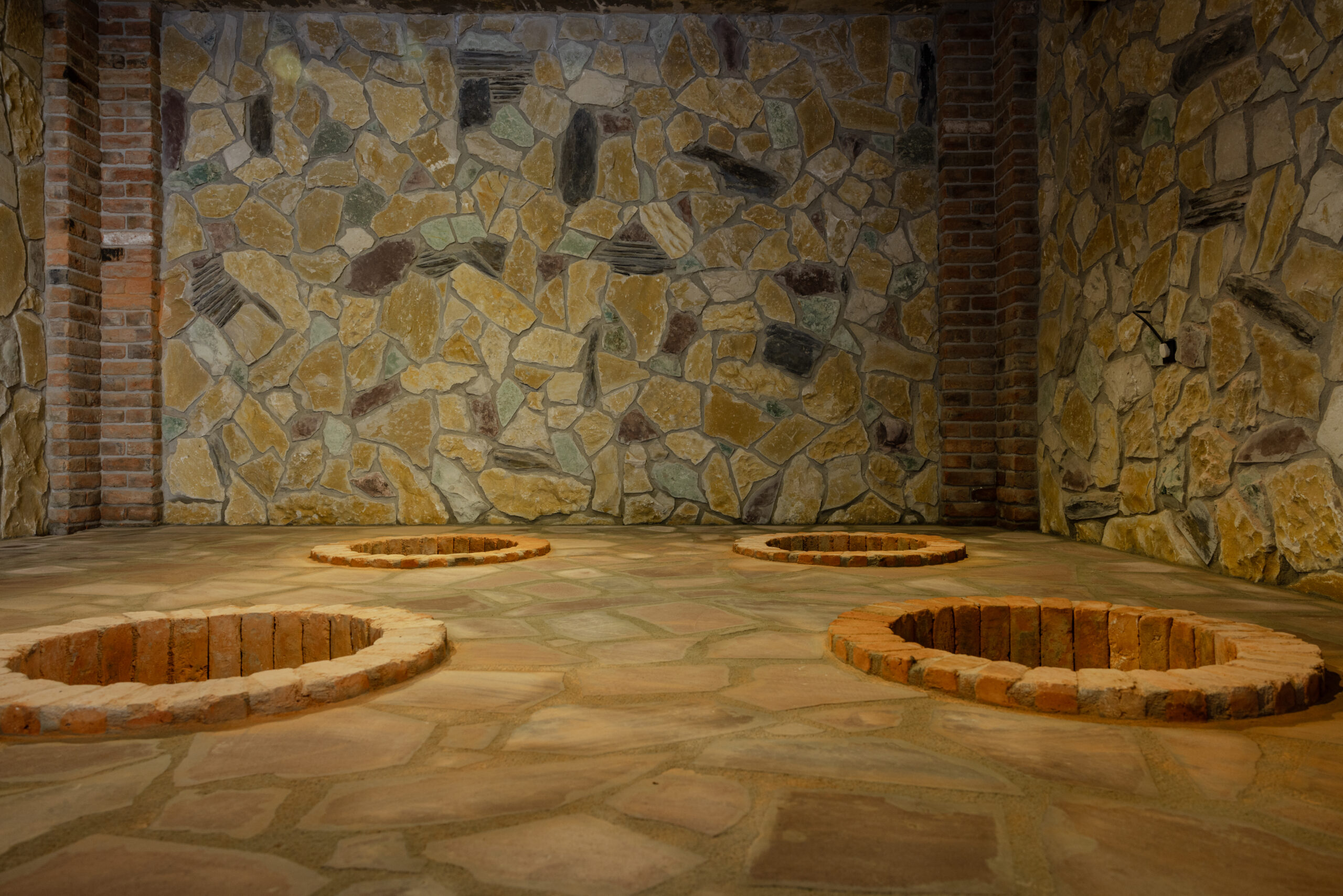
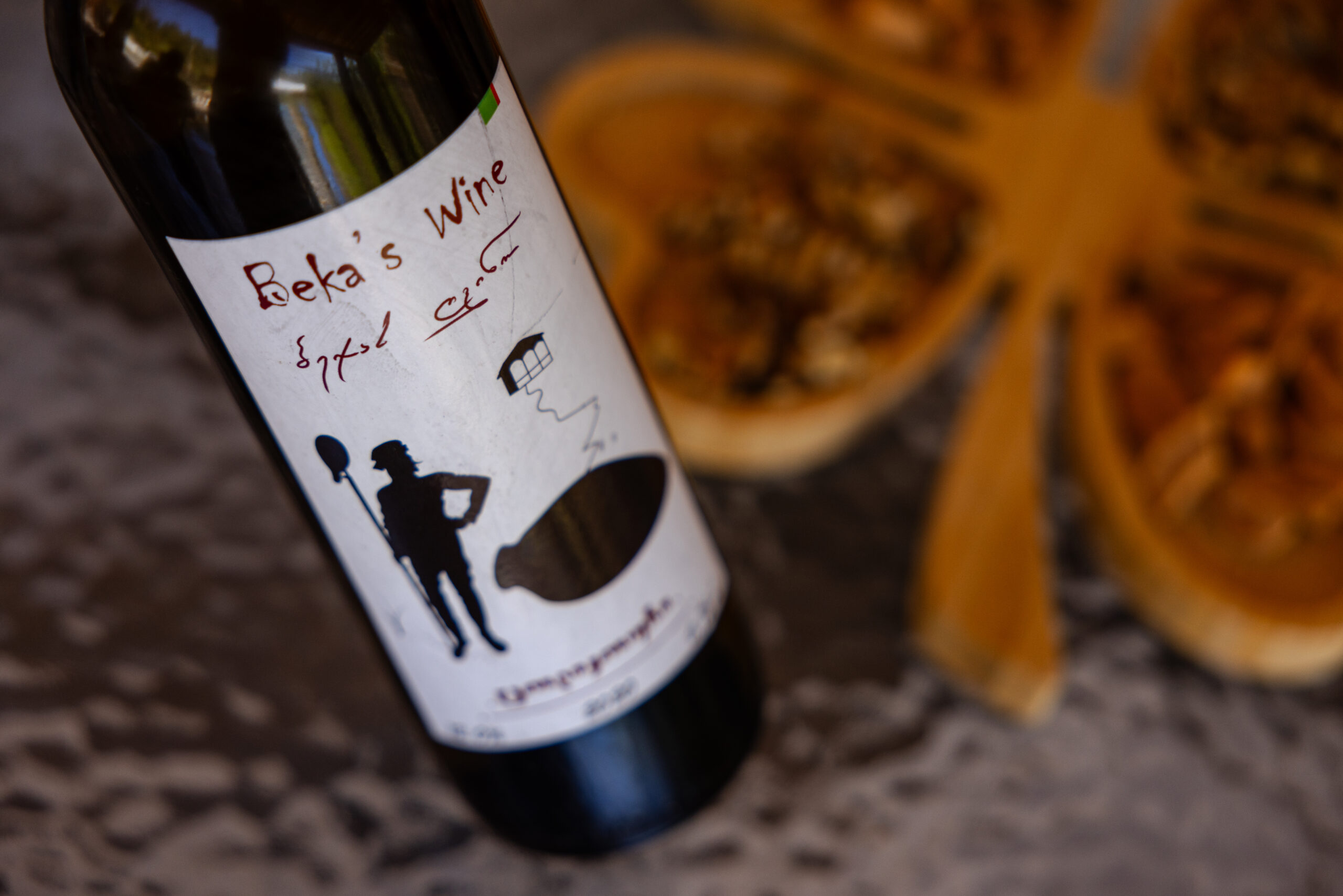
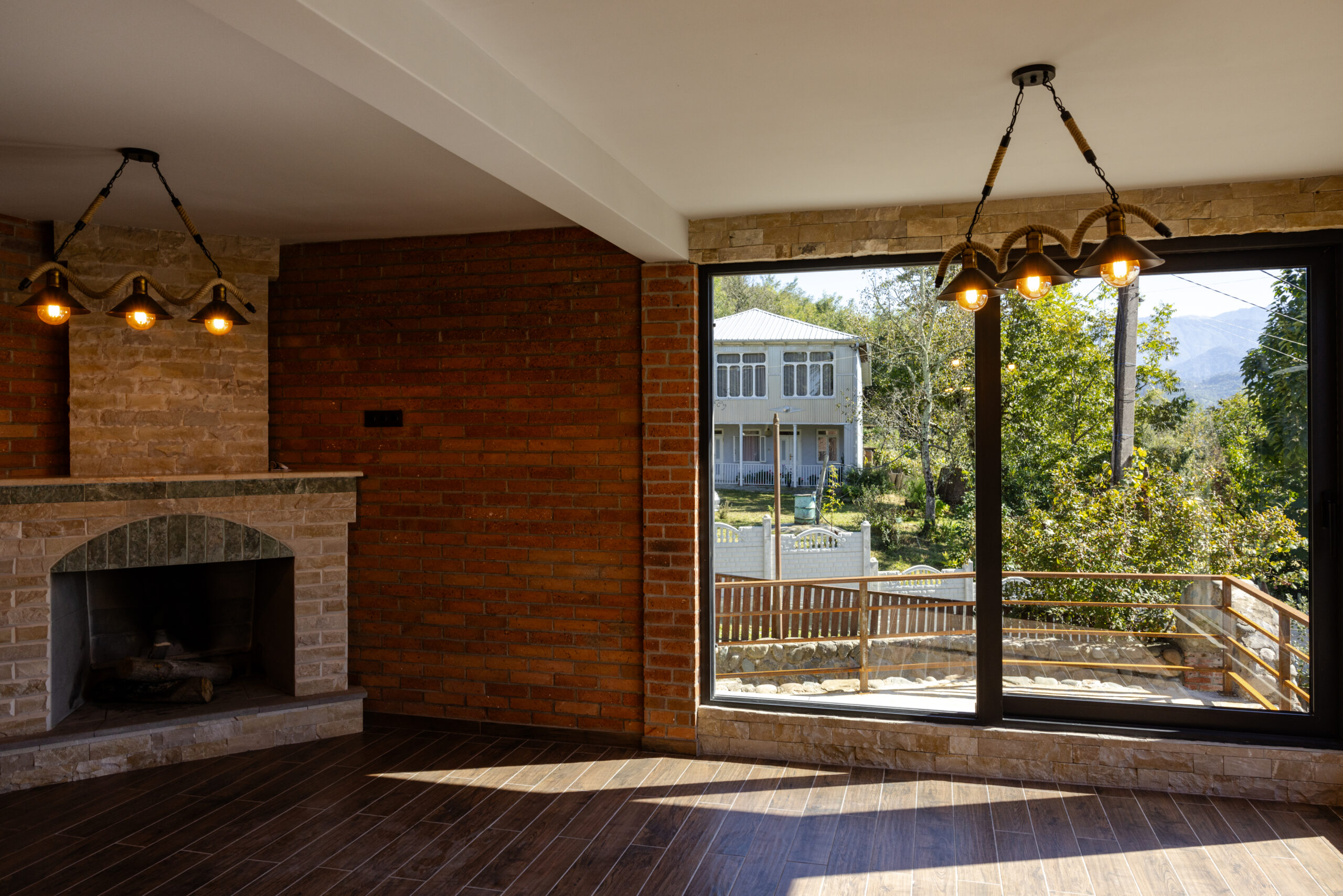
The 25-year experience of Saba Kalandadze’s Cellar in the village of Ianeuli has moved to a new stage of production. Through the project, Saba Kalandadze established a modern family winery and acquired all the necessary inventory for wine production, enabling the creation of organic (bio) wine. Every year, 2,500–3,000 bottles of high-quality bio wine are produced from 12 unique Gurian-Imeretian grape varieties. This endeavor is significant not only for individual success but also for the preservation of rare vine varieties.
The production of sparkling wines, especially from local varieties like Chkhaveri and Tsolikouri, has recently become less common in family cellars despite a century-old tradition. Gia Kobidze has revived this forgotten culture in the village of Erketi. With the support of “Green Guria,” the cellar was fully renovated, HACCP standards were implemented, and the production of varieties such as Chkhaveri, Jani, and Skhilatubani began. These products are generating significant interest in both local and international markets.
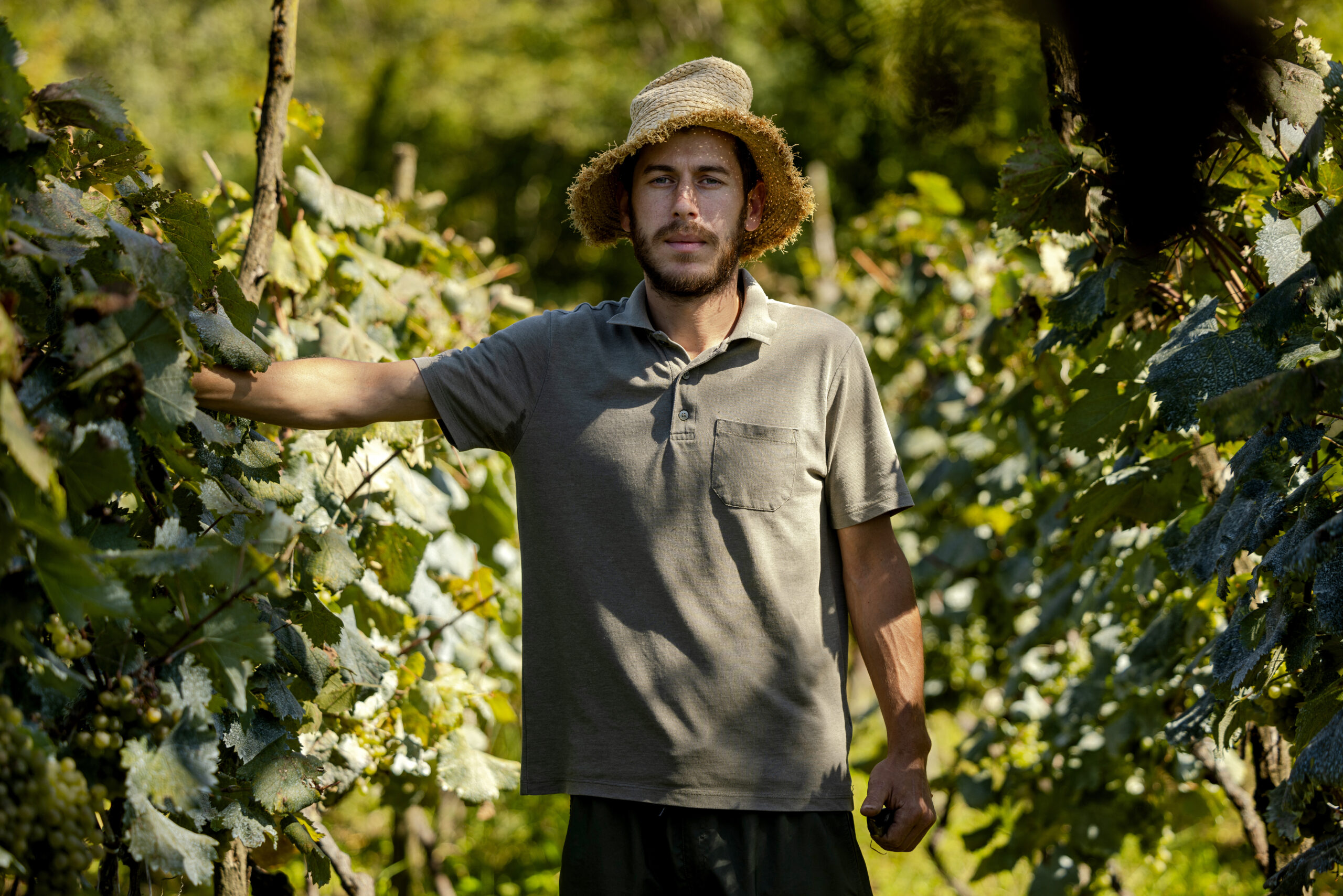
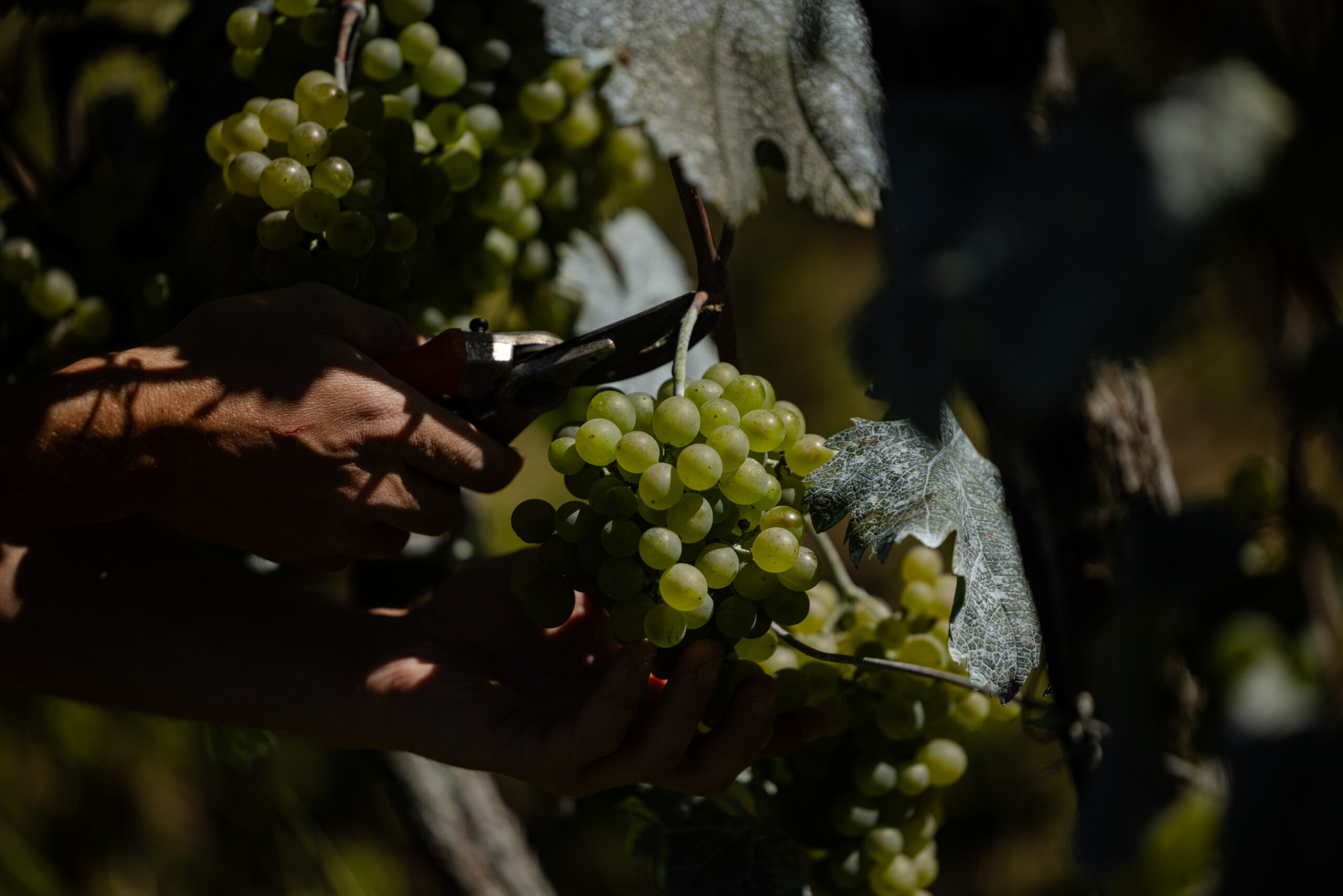
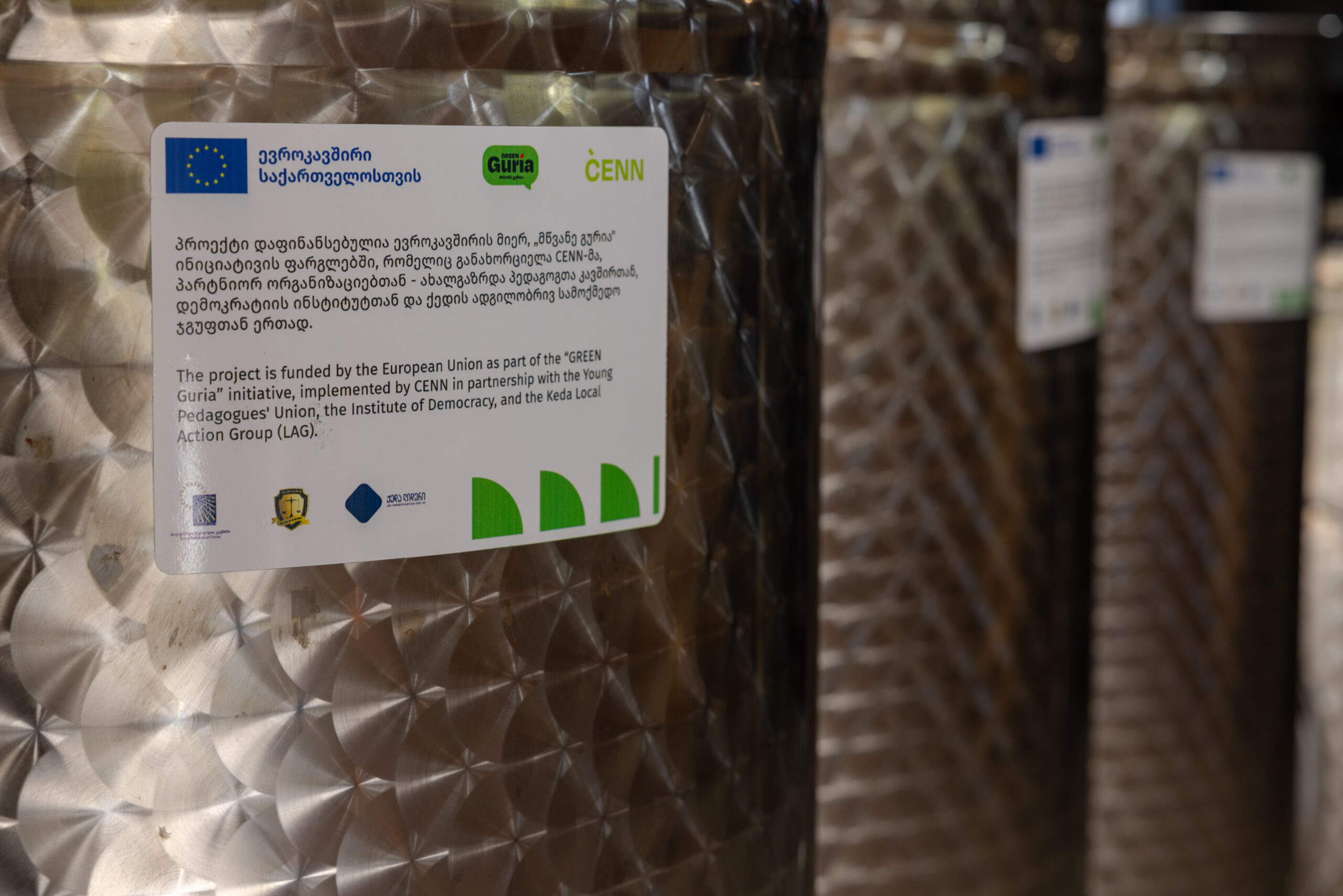
The “Rto” cellar, owned by Vitali Kilasonia in the village of Jvarts khma, has become a symbol of ecotourism and bio-production. A family tradition dating back to 1975 is now presented through a modern tasting space and tourist infrastructure, where high-quality, ecologically clean wine can be sampled. The “Rto” cellar hosts up to 30 visitors at a time and serves to popularize the region’s cultural heritage.
In the village of Goraberezhouli, with the support of “Green Guria,” Mavra Tsertsvadze breathed new life into her 100-year-old cellar, “Armunji.” The project facilitated a complete restoration of the cellar, creating an authentic space for wine tasting. Alongside wine, “Armunji” offers visitors culinary and folk-craft masterclasses, reviving forgotten traditions.
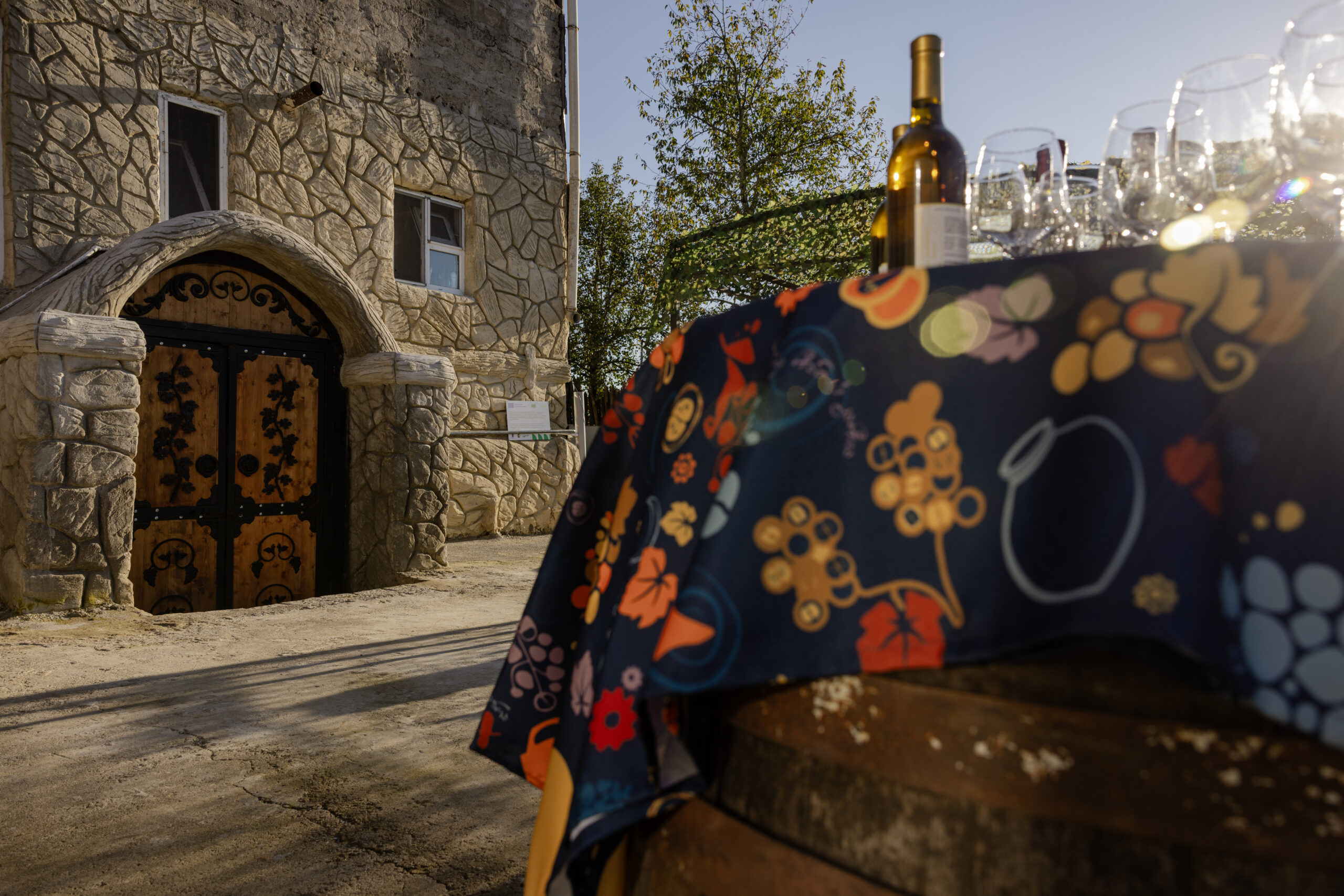
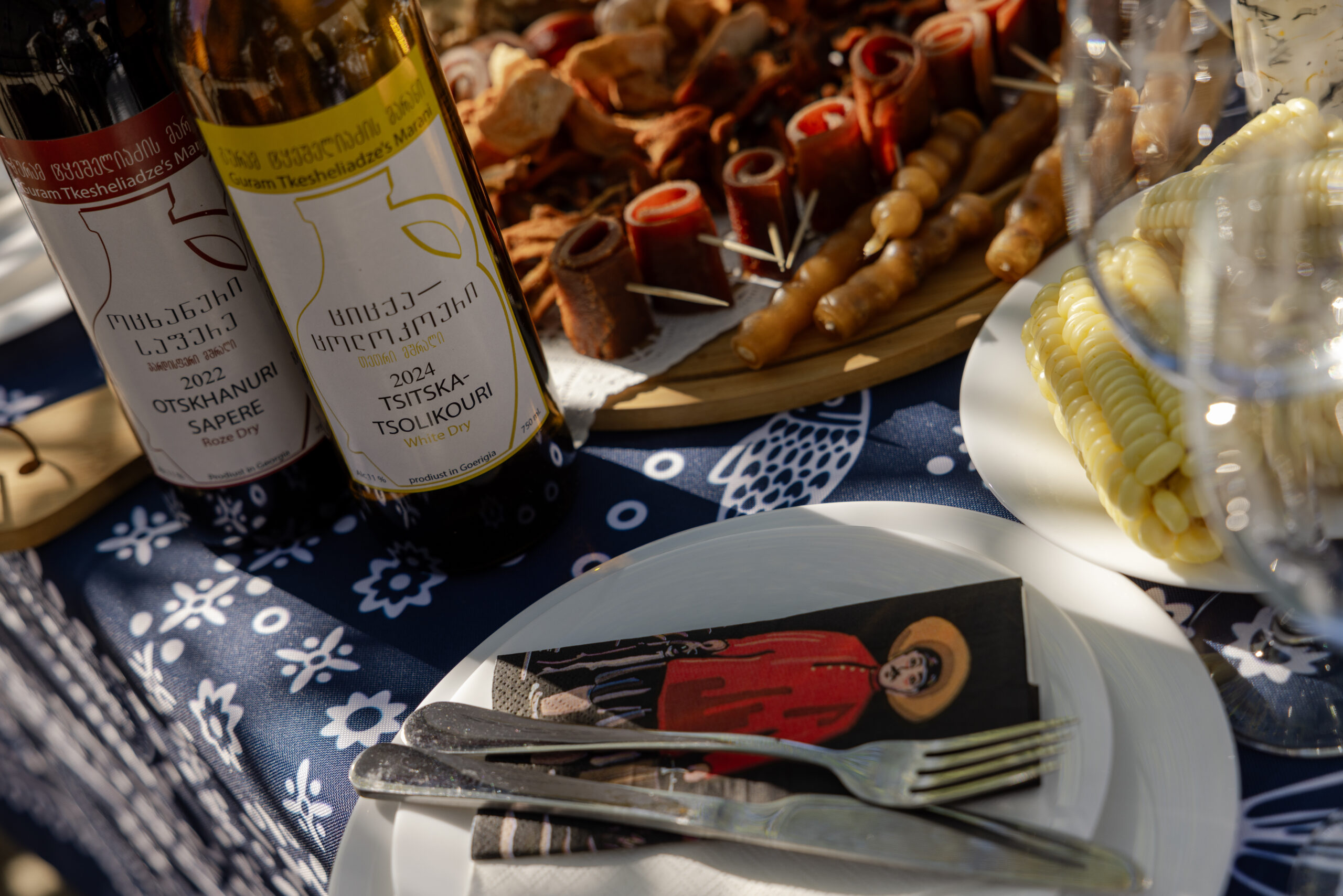
The “Sunny Cellar of Gurian Wine,” owned by Kukuri Kighuradze in the village of Mziani, serves to empower small-scale farmers. The modern infrastructure established within the project helps farmers enter the market and simplifies vineyard maintenance processes. As a result of technological improvements, the effort required for vineyard care has decreased by 50%, directly impacting the competitiveness of the products.
The support of the European Union and CENN proved transformative for Tatia Gogiberidze’s Cellar in Ozurgeti. Through the project, the winery acquired modern equipment and established a wine laboratory. Consequently, the winery doubled its production, increasing it to 5,000 bottles. With the help of the modern laboratory and new machinery, the winery’s Chkhaveri even earned a Gold Medal at the prestigious IWSC competition.
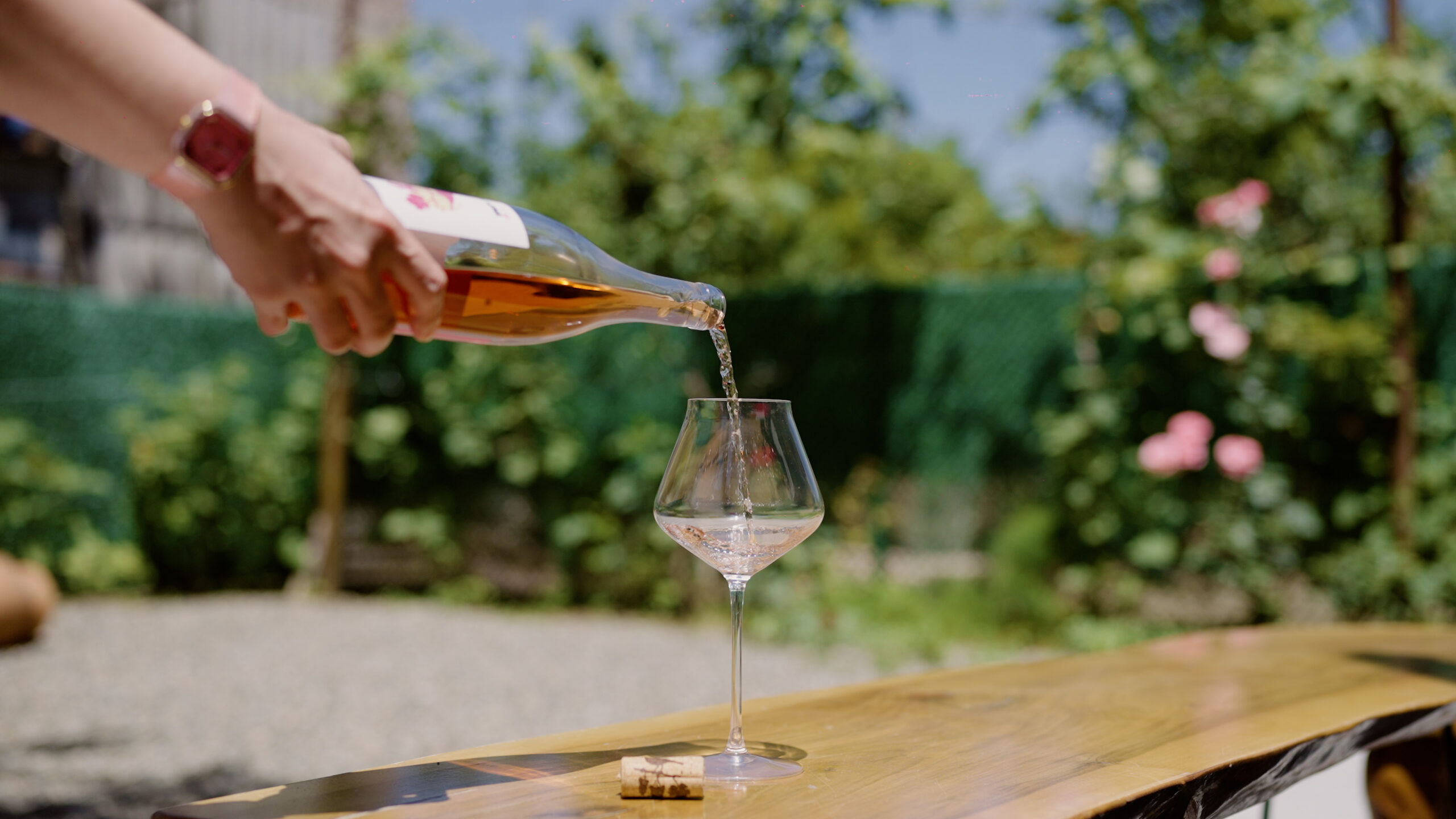
These projects, funded by the European Union and CENN and spanning all three municipalities of Guria, prove that with the right investment and respect for tradition, Guria is once again becoming a center for unique wine and high-quality production.
This article was produced with the support of the European Union. Its contents are the sole responsibility of CENN and do not necessarily reflect the views of the European Union.