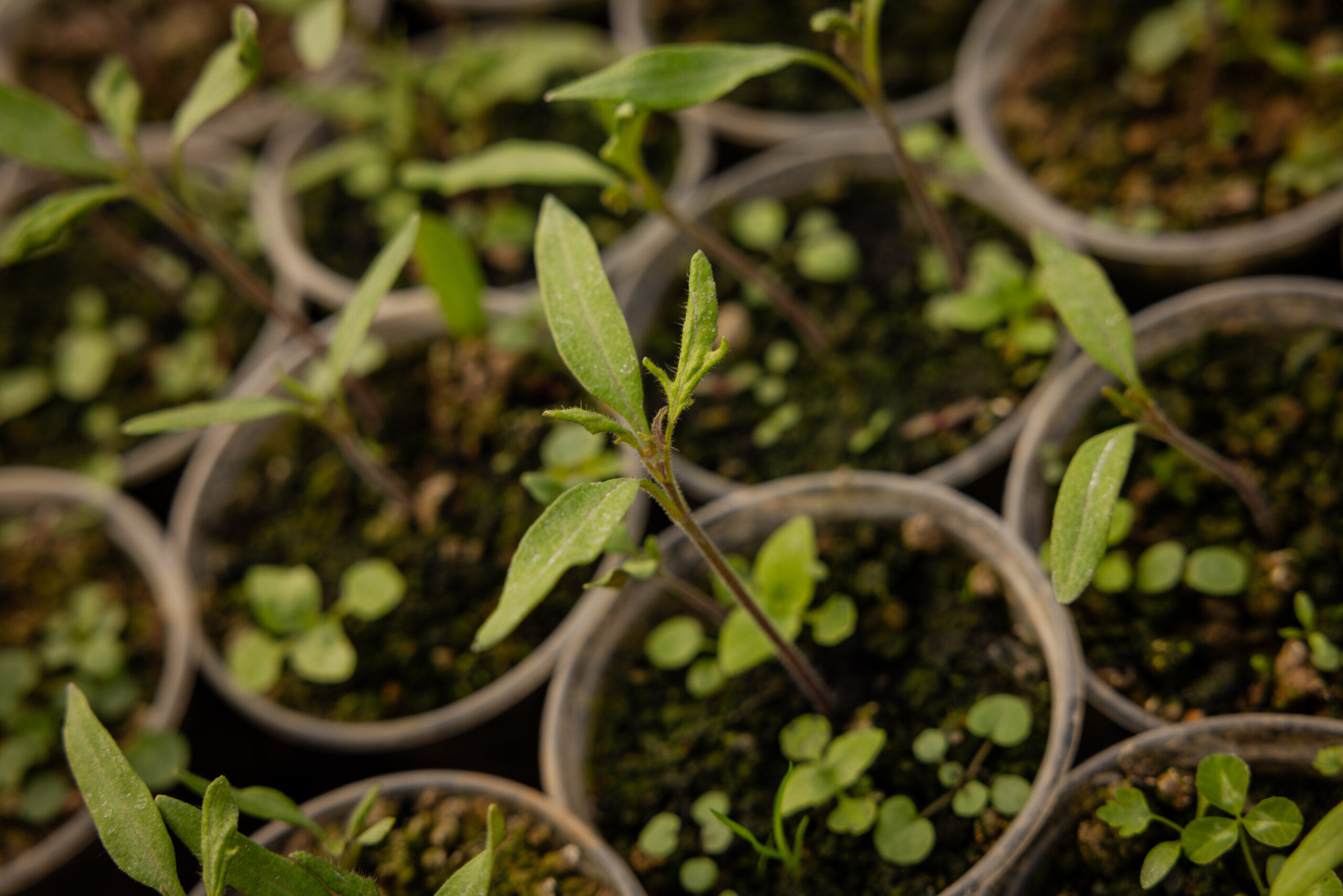
Strengthening the agricultural sector and supporting local production in the Guria region is one of the primary goals of the “Green Guria” project. Supported by the European Union and implemented by CENN, these initiatives focus on reviving forgotten traditions while introducing modern standards to the region. These projects clearly demonstrate that investments directed toward utilizing local resources serve as the main driver of regional economic prosperity.
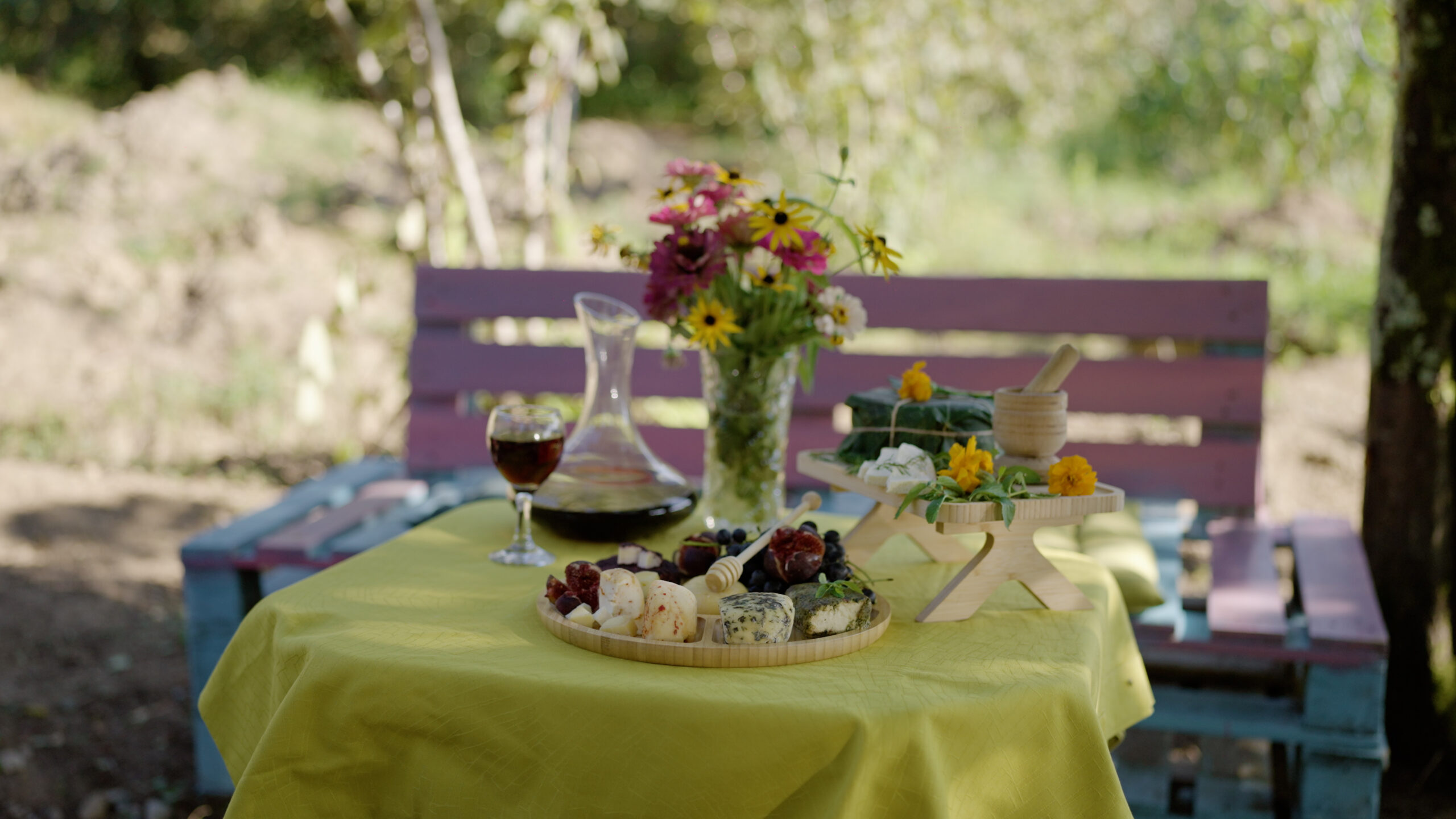
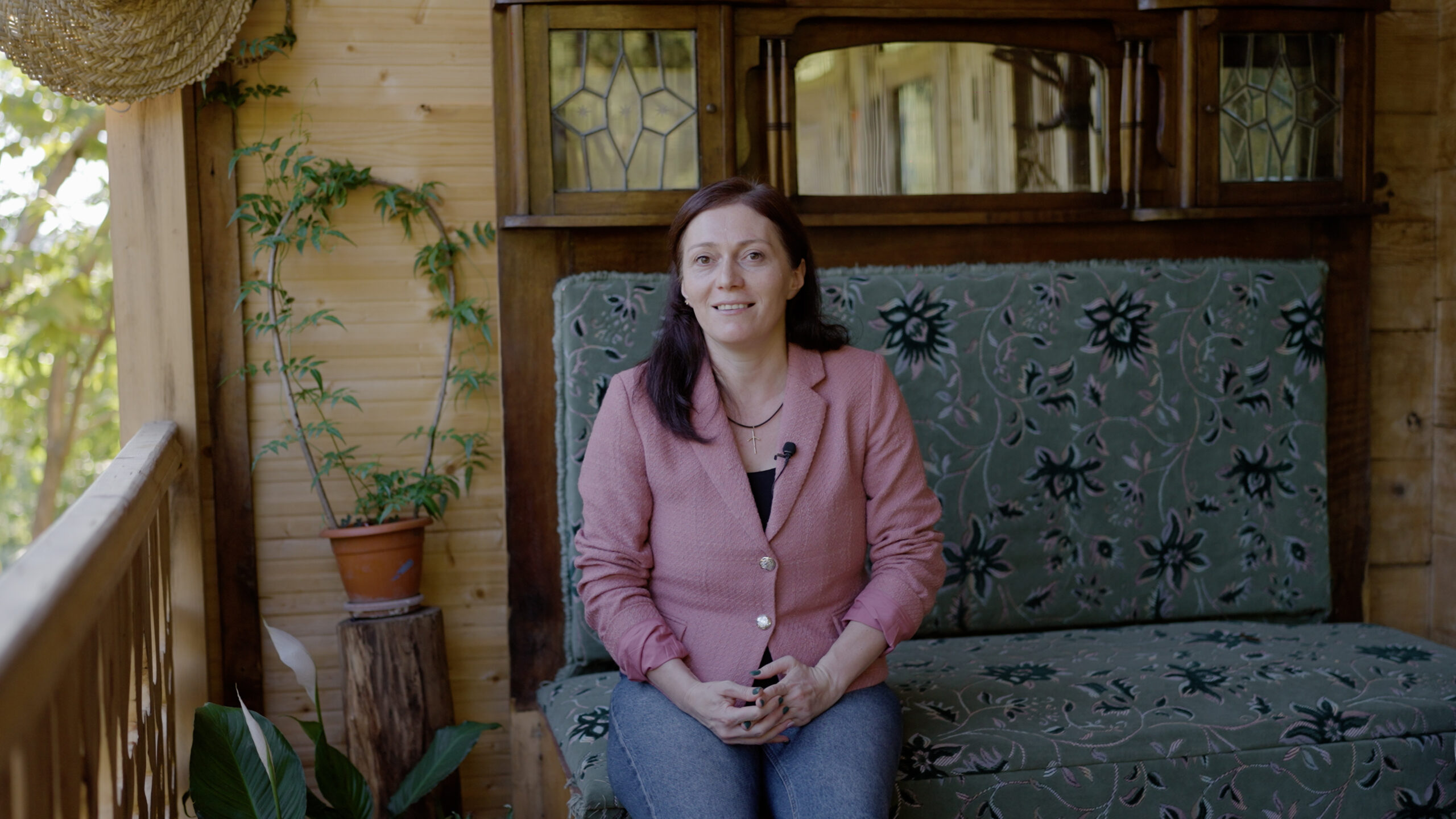
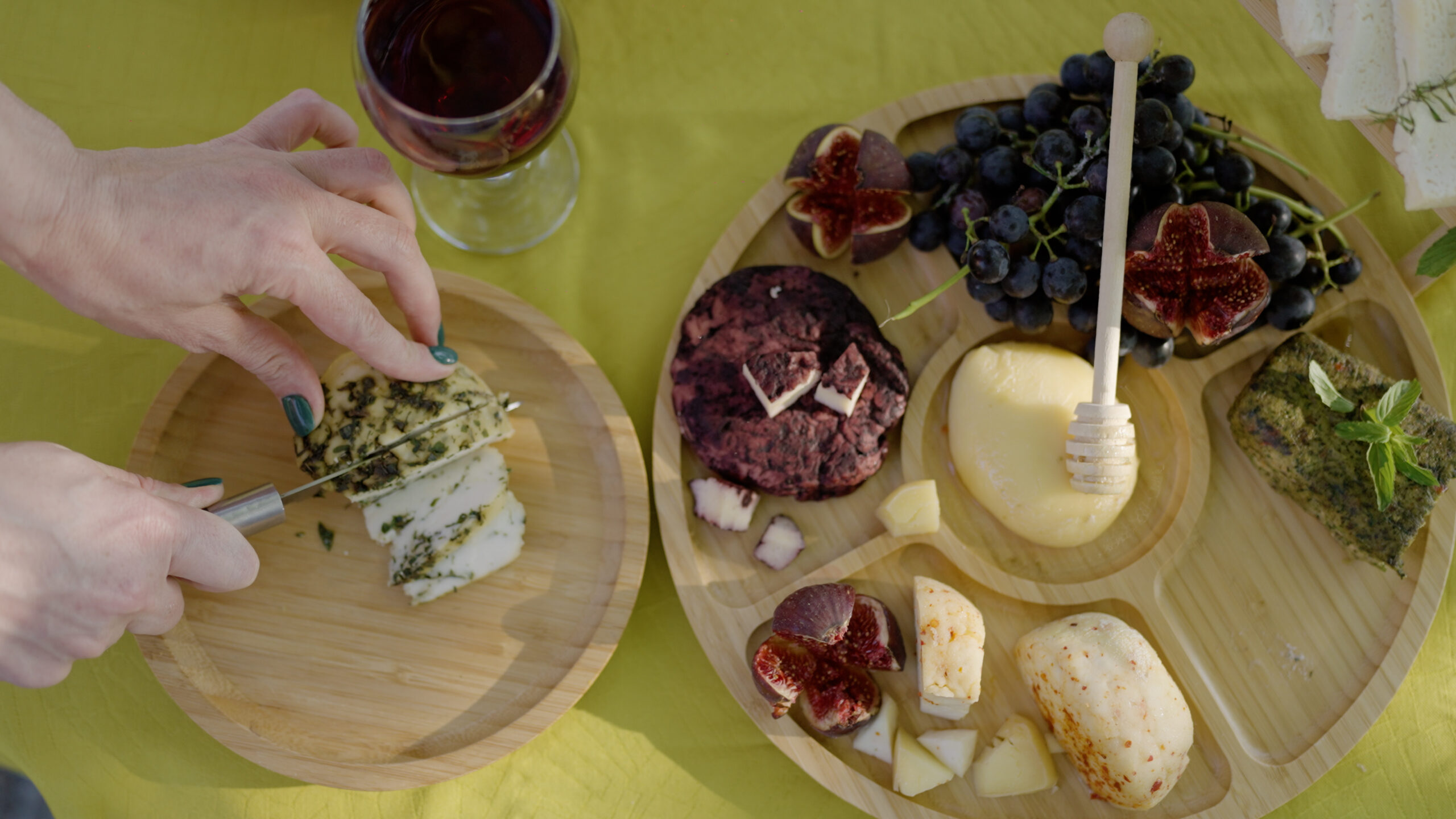
A prime example of this is the “Cheese House” established by Nino Gudavadze in the village of Akhalisheni, Chokhatauri. In a region where goat farming, breed renewal, and goat milk processing had significantly declined over recent decades, this historical tradition was revitalized through EU support. Today, the enterprise collects up to 300 litres of milk daily from local residents, providing an incentive for neighboring families to develop their own farms. Beyond production, the facility features a tasting corner and a space for masterclasses, creating new opportunities for the development of agritourism.
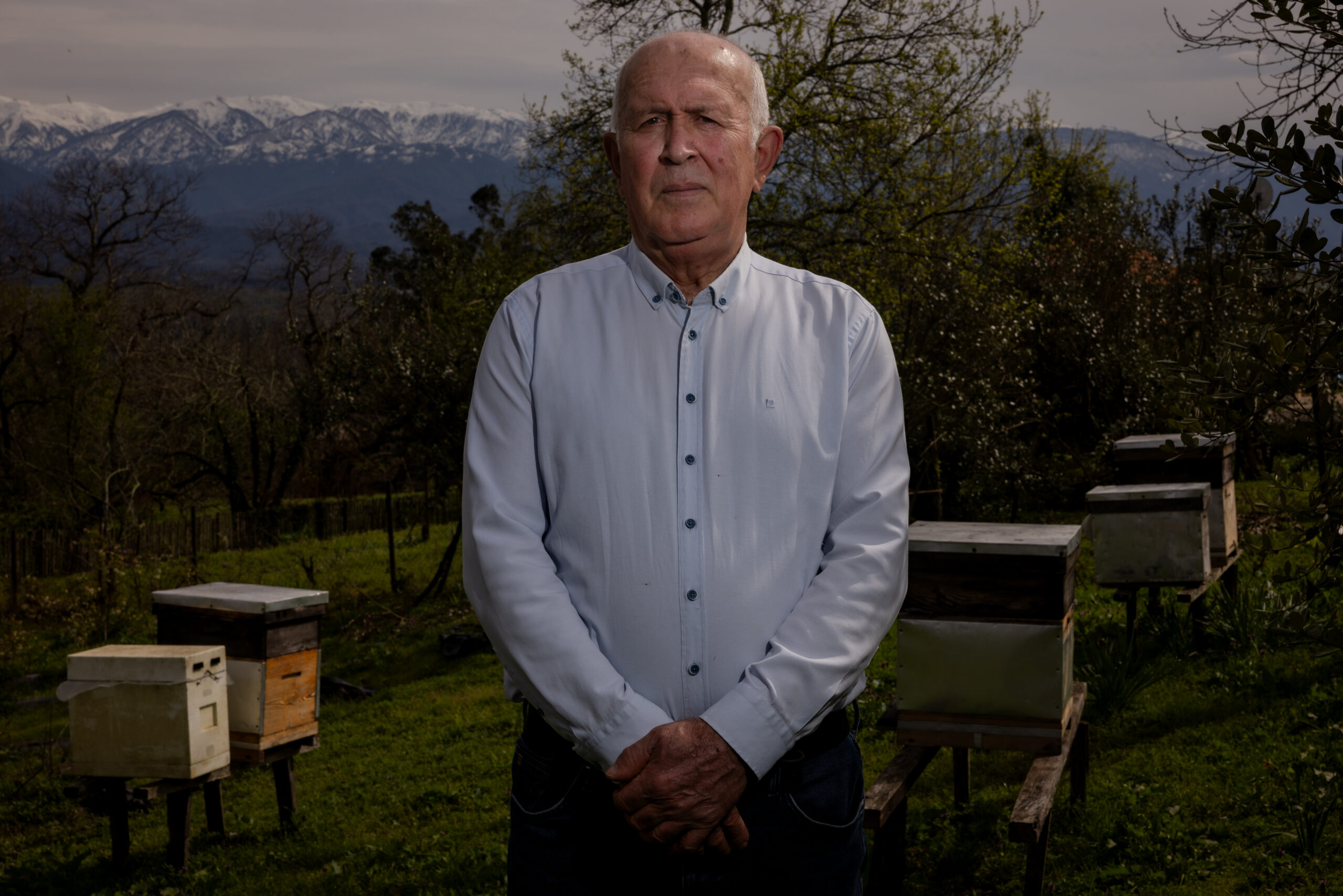
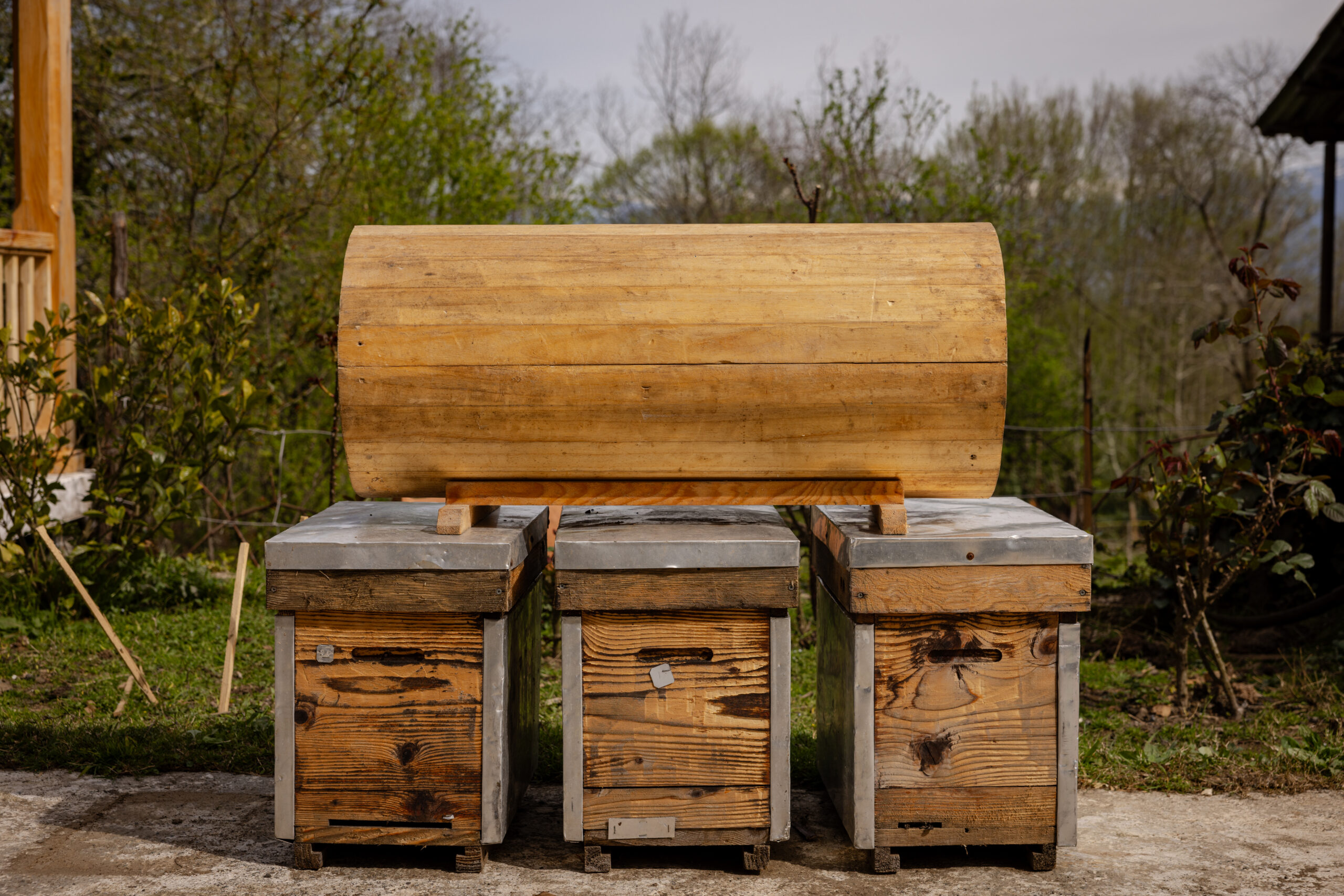
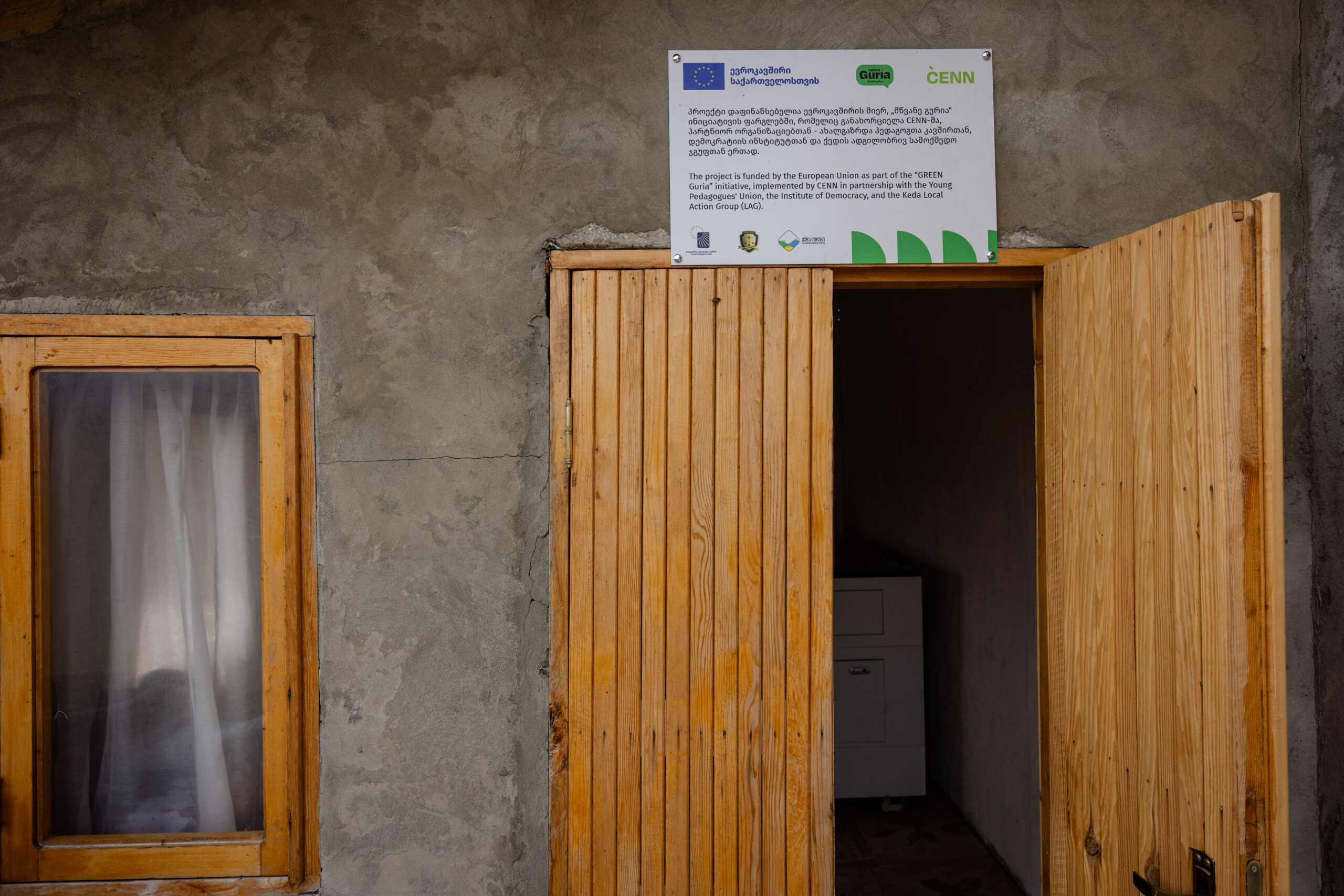
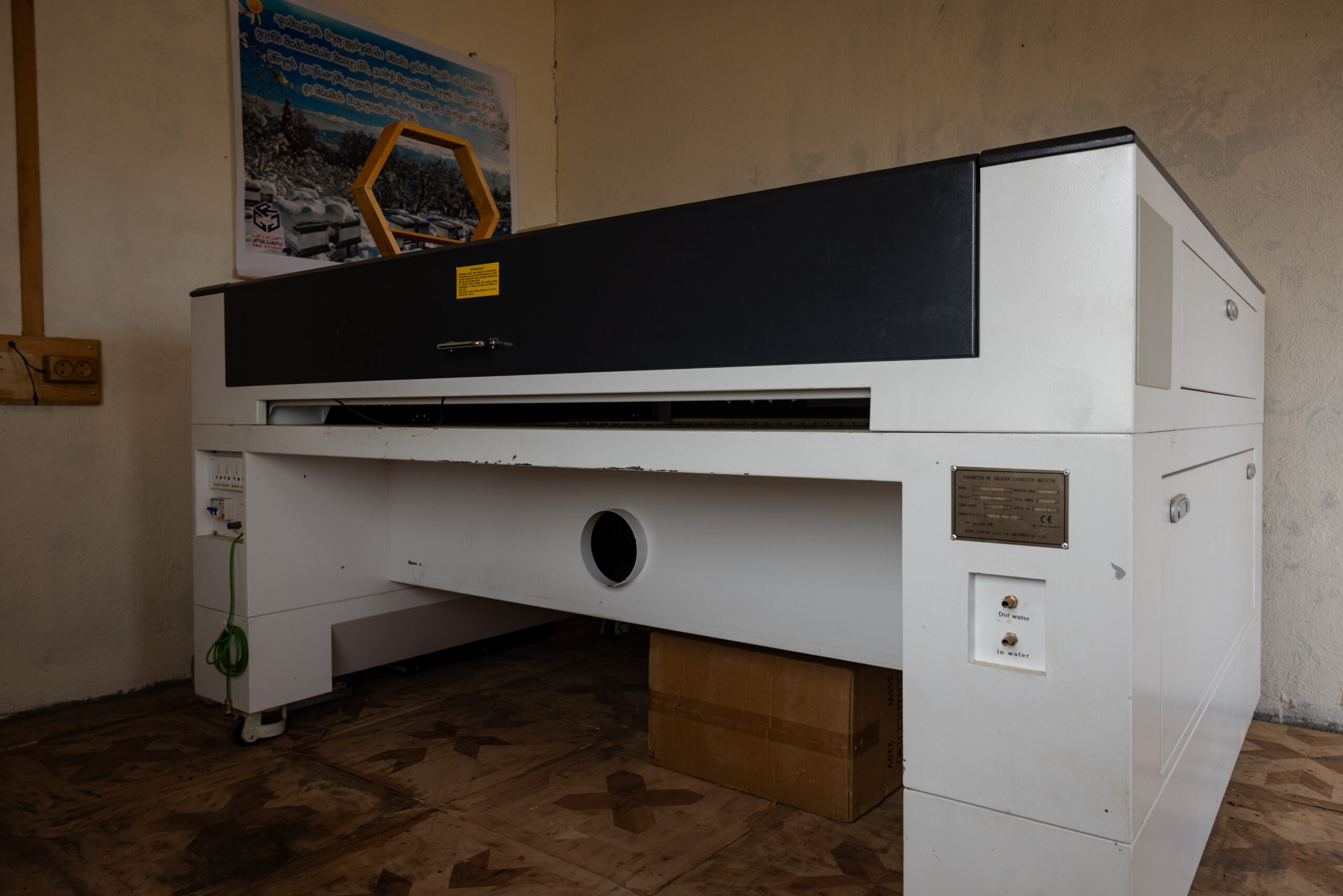
Equally important is the strengthening of the beekeeping sector in the Lanchkhuti municipality, where Tamaz Ghlonti opened a honeycomb production facility in the village of Kvemo Aketi. An innovative approach was introduced as part of the project – eco-friendly wooden frames made without iron or glue, ensuring the ecological purity of the product. Equipped according to HACCP standards, the facility has the capacity to produce 25,000-30,000 units of honeycomb annually, bringing entirely new commercial value to beekeeping products in Guria.
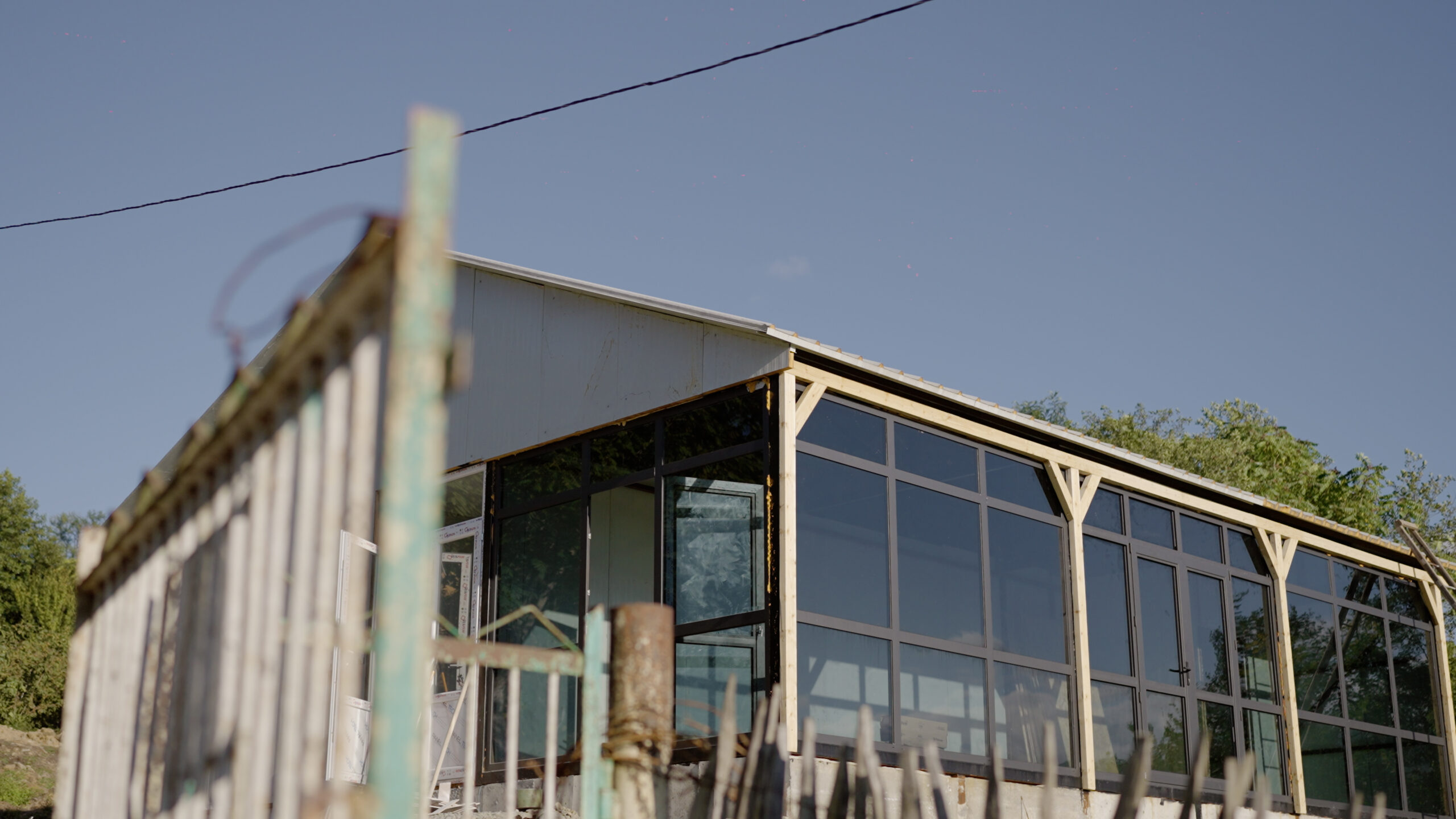
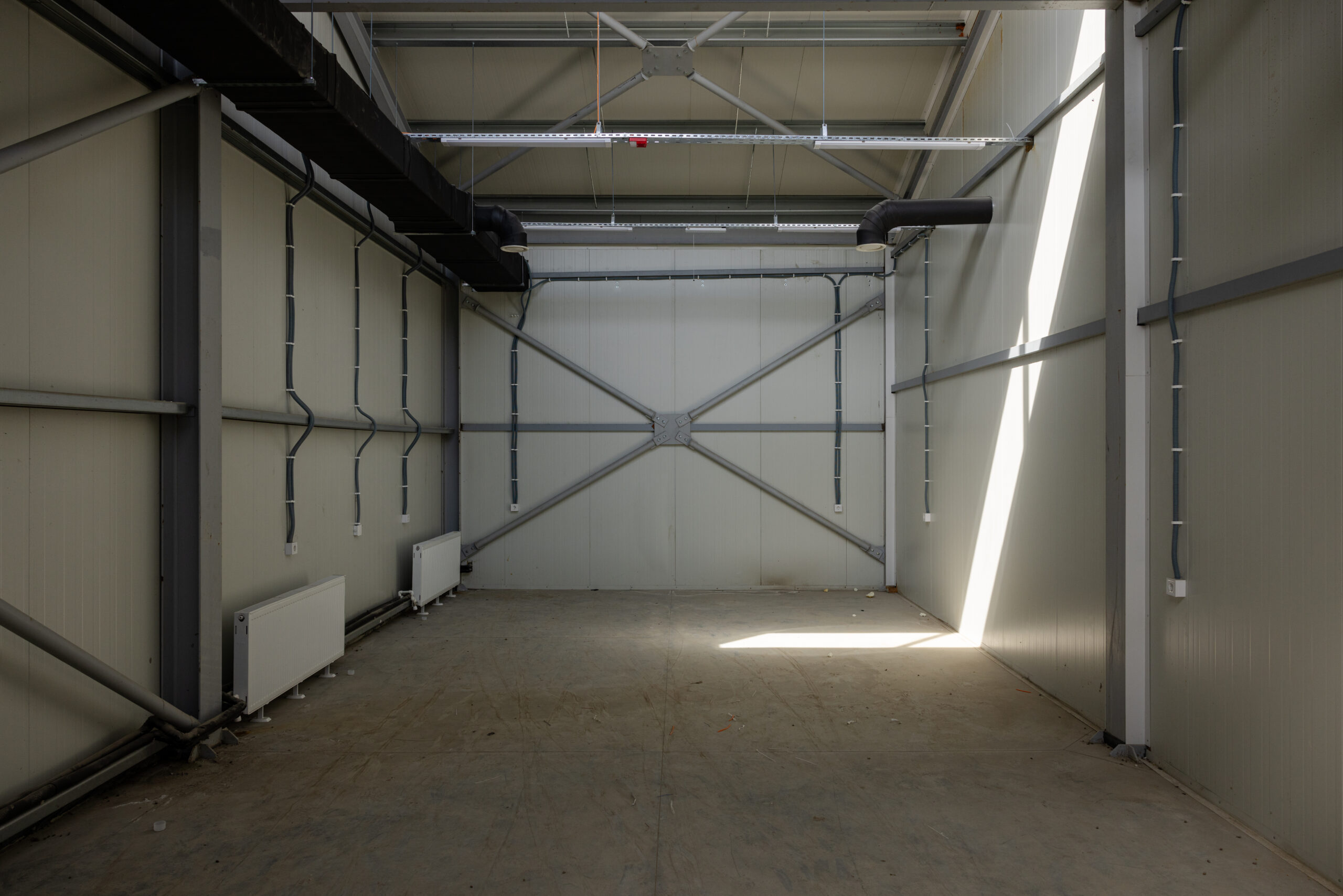
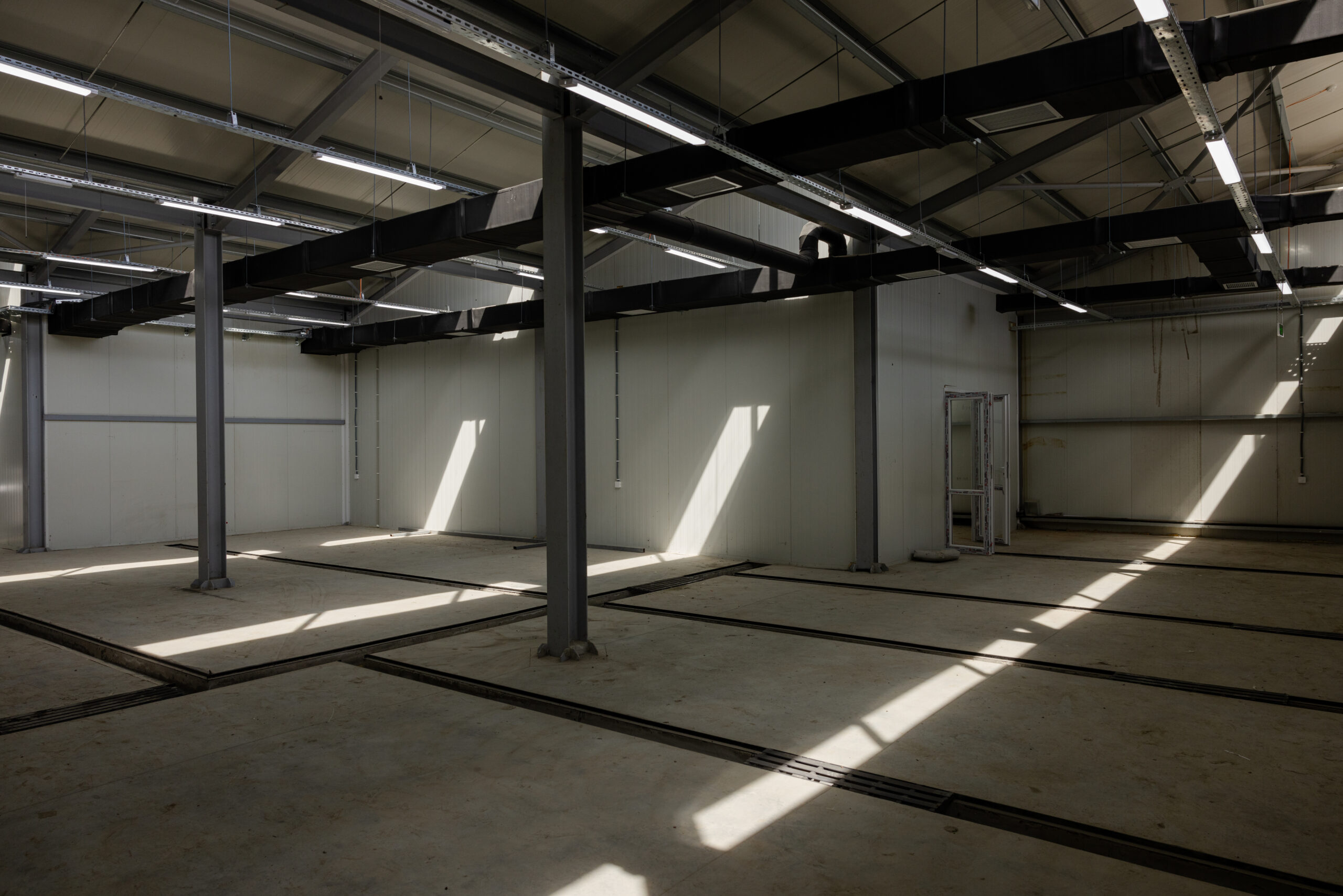
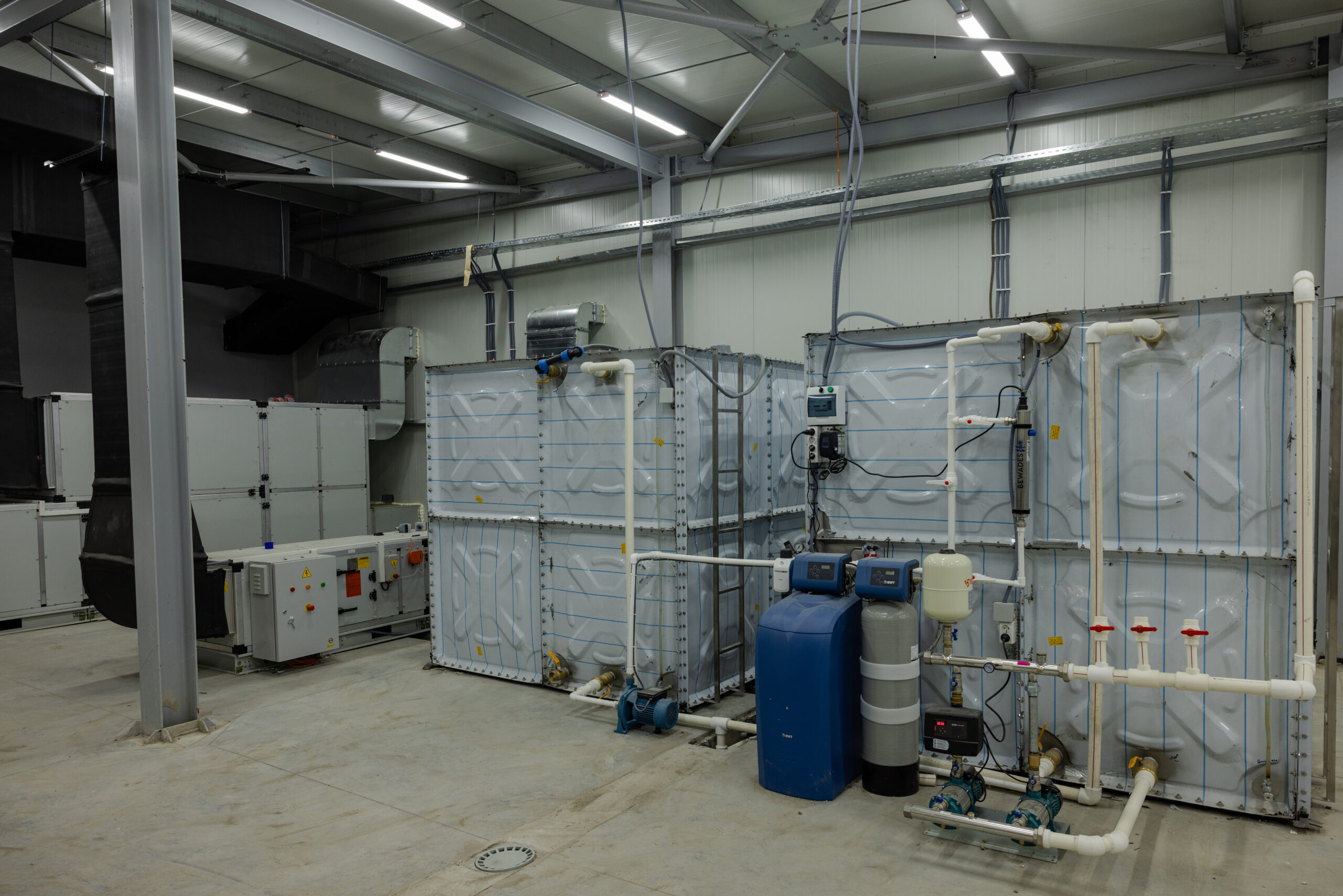
A prominent model for expanding production across the region is “Kartuli Kalata” (Georgian Basket) LLC, operating in the village of Gvimbalauri. The company, which produces up to 100 different products, including churchkhela and dried fruits, began the construction of a new multi-functional facility with EU support. This initiative is particularly vital for the empowerment of the local population, as the enterprise employs approximately 30 residents. Furthermore, the facility has become a reliable partner for local farmers, allowing them to deliver their harvests directly to the site and secure a stable income.
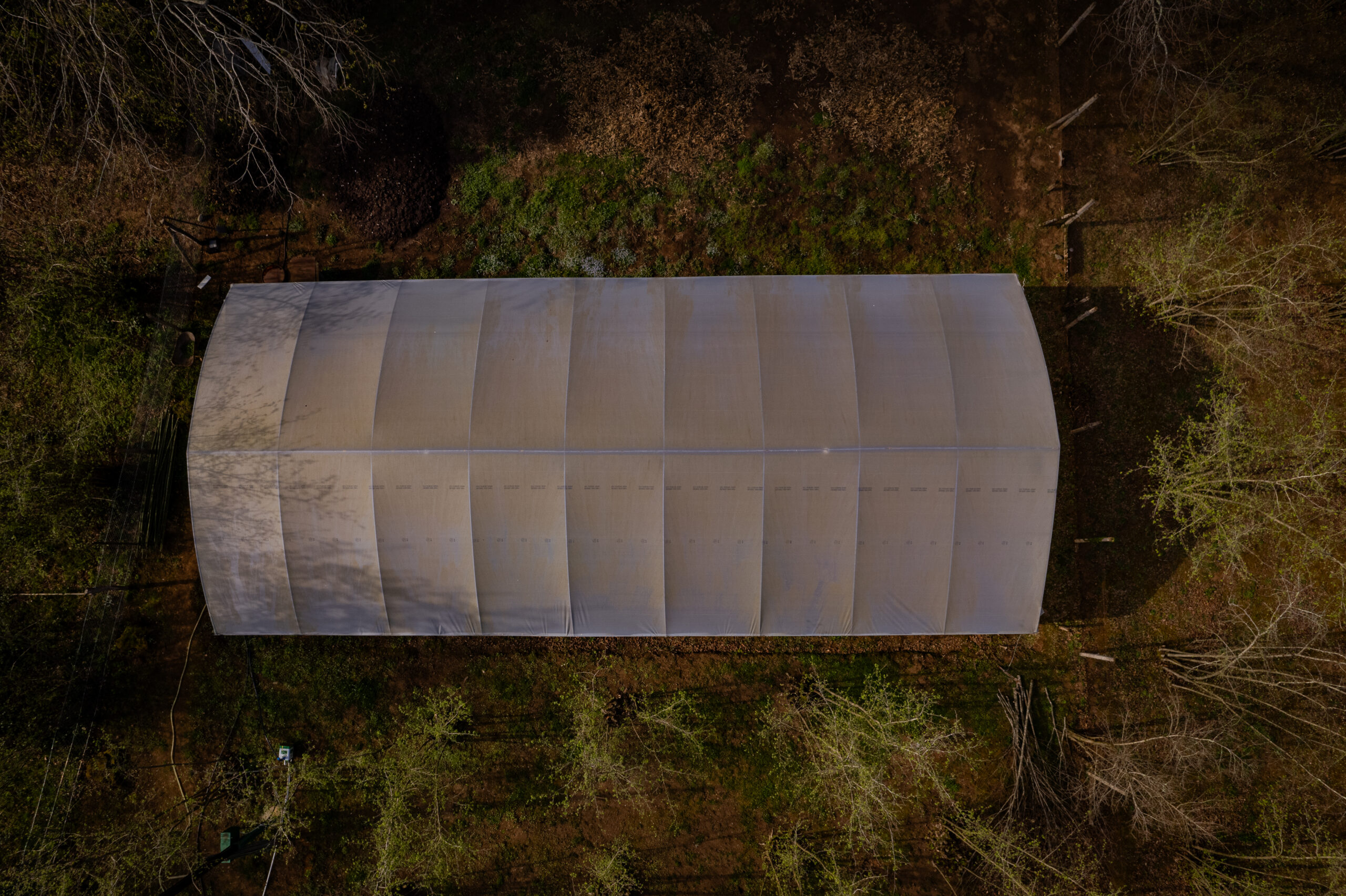
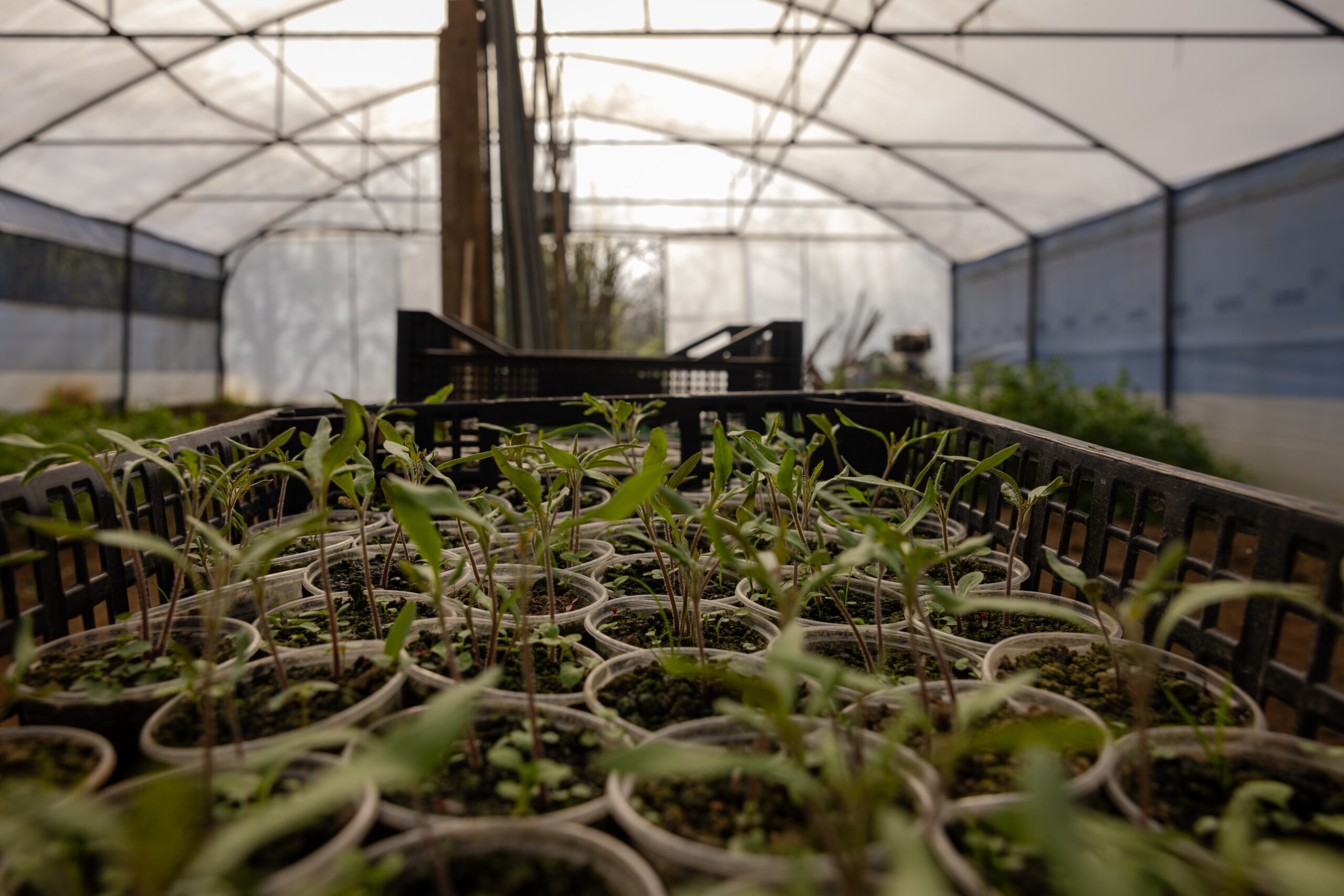
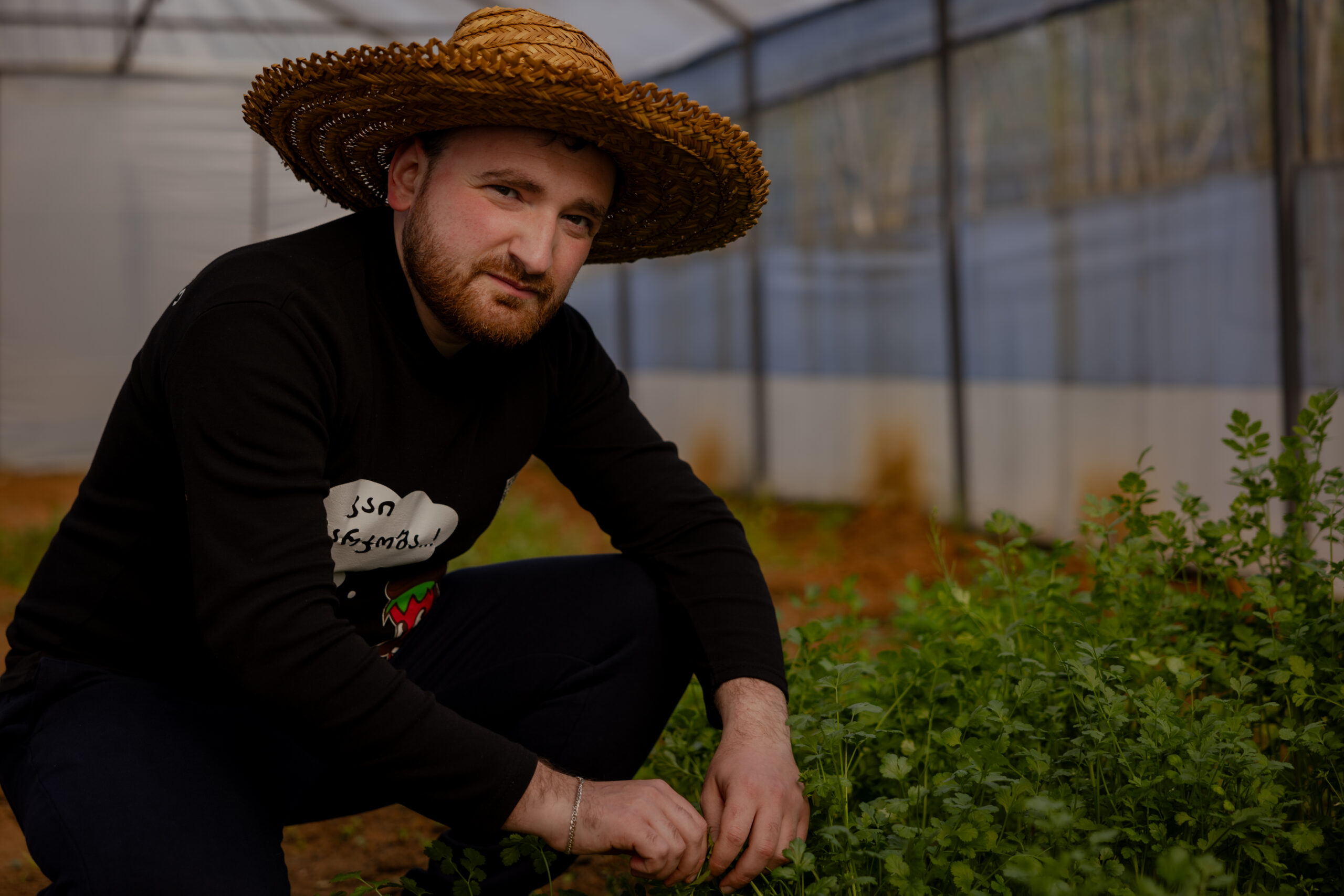
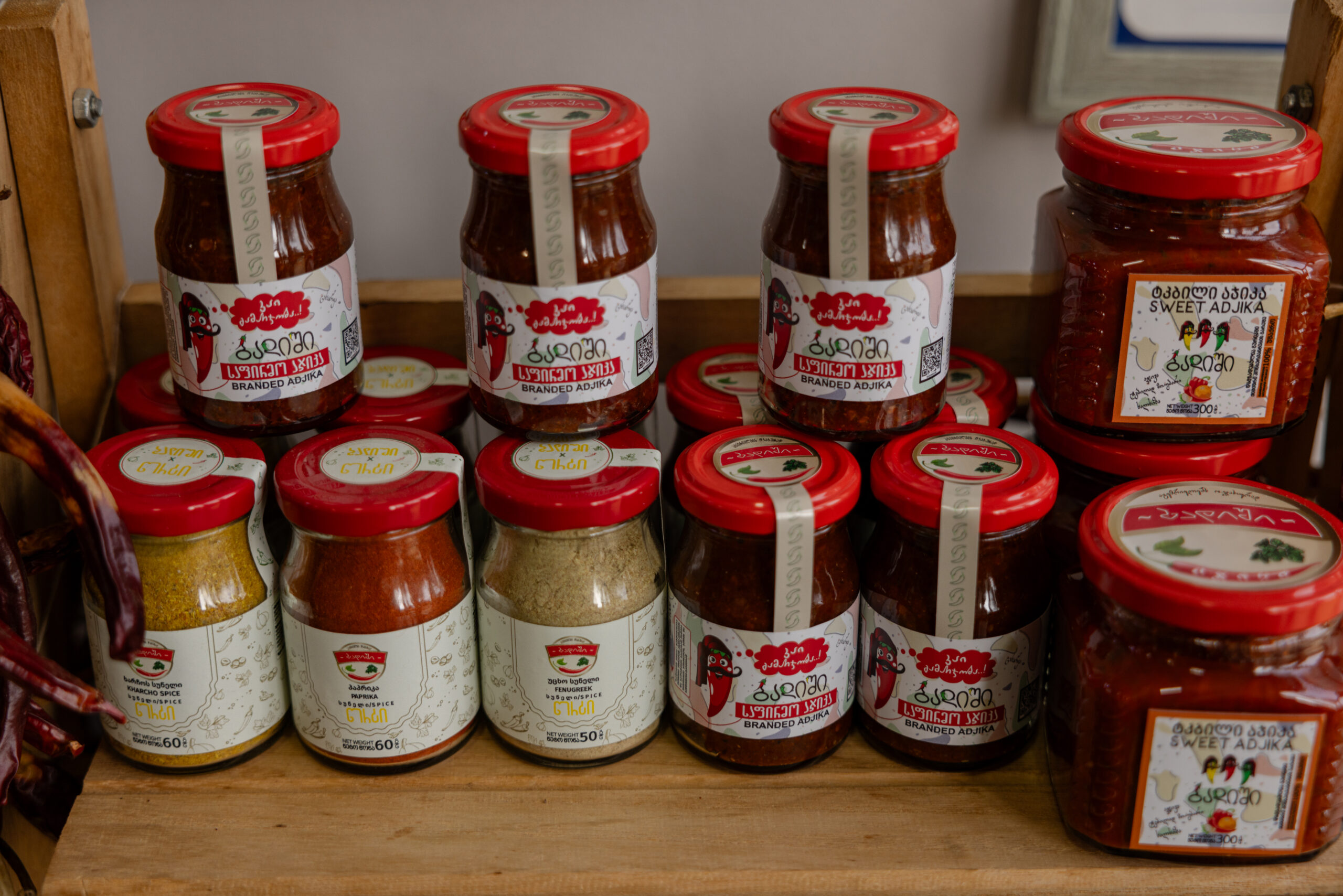
In the village of Melekeduri, Ozurgeti, the family-run enterprise “Badishi” serves the preservation and development of culinary heritage. The eco-friendly raw materials required for their adjika and sauces, crafted from half-century-old recipes, are now grown year-round in a modern greenhouse. This infrastructure ensures production continuity, guaranteeing consistently stable quality for consumers. This approach supports not only the success of the enterprise but also the preservation of the authenticity of Gurian gastronomic culture.
These projects, implemented with the support of the European Union and CENN, demonstrate that Guria’s agrosector has the potential to be modern and successful. The introduction of new technologies and the wise use of local resources allow entrepreneurs to move beyond subsistence farming, create jobs, and contribute to the overall economic strengthening of the region.
This article was produced with the support of the European Union. Its contents are the sole responsibility of CENN and do not necessarily reflect the views of the European Union.