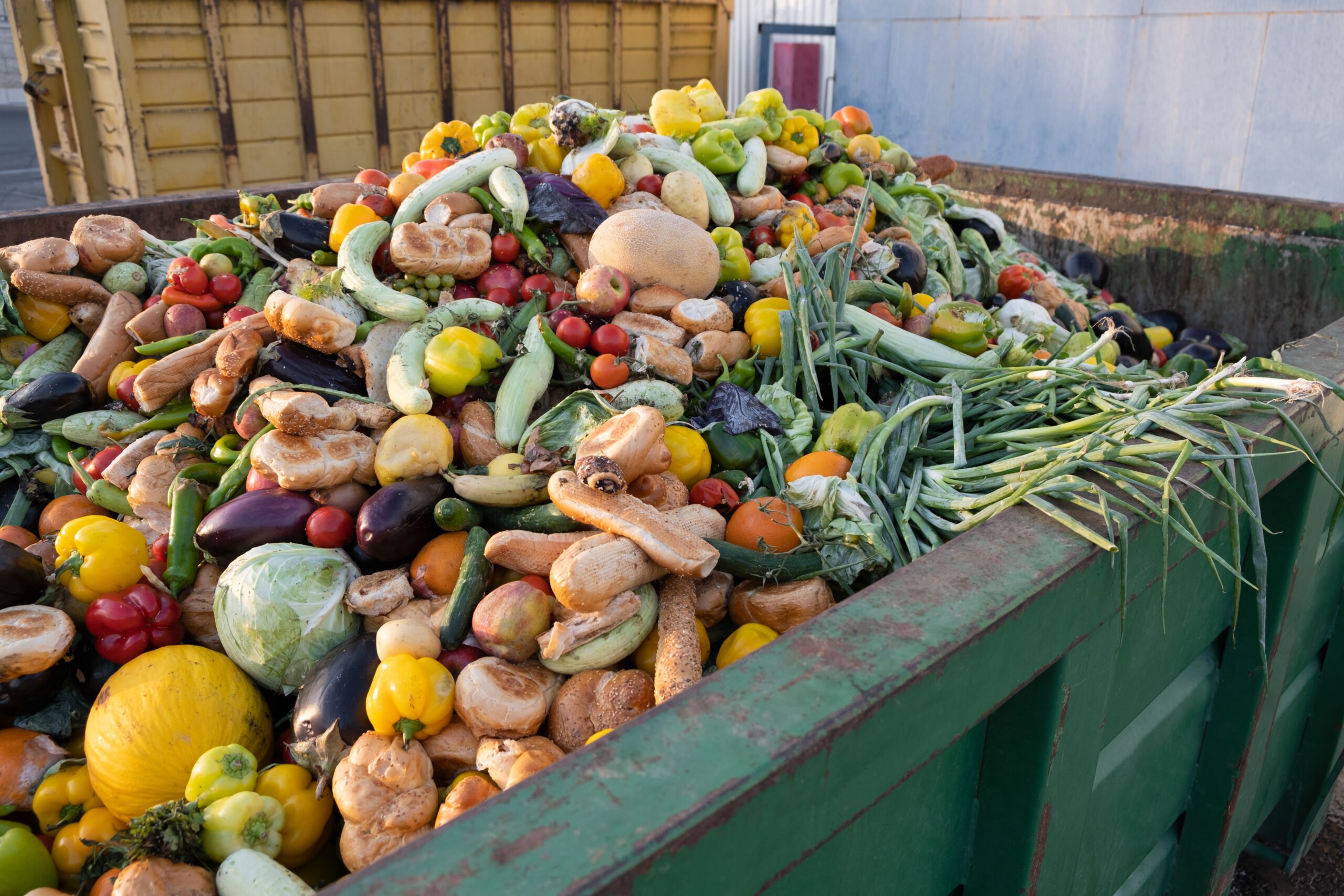
That soup has been resting in the fridge for weeks. It’s taste has long since changed, and now I can’t bring myself to eat it—I’ll have to pour it away. The milk is the same story. I never manage to finish it before the expiry date, yet I keep buying the large bottle. And the vegetables I bring home—with the hope to start eating healthier—end up neglected, slowly spoiling and wilting in the corner of the fridge. Scenes like these are all too familiar – we’ve all found ourselves in similar situations. So it should come as no surprise that food loss and waste have become a problem on a global scale. International communities and environmental organisations are working tirelessly to address this issue. On 29 September, the International Day of Awareness of Food Loss and Waste will be marked for the sixth time—observed globally, including here in Georgia.
“The International Day of Awareness of Food Loss and Waste is an important reminder of our shared responsibility to minimise food waste as much as possible, to use resources efficiently, and to inspire people to adopt sustainable consumption habits and lifestyles. For many years, the European Union has been supporting efforts in Georgia to prevent food loss and waste and promote sustainable food habits at the local level. As part of the project ‘Circular Cities and Regions,’ and in partnership with CENN, we are working actively on waste prevention and on encouraging sustainable consumption across the country. Special attention is given to public awareness and education, because it is informed and responsible citizens who lay the foundations for sustainable development.”
The truth is, we often buy or prepare more food than we actually consume. Instead of nourishing our bodies, much of this food ends up in landfills. You might think, “If I no longer want it, why should I force myself to eat it?”—and that’s true. But whether it is overeating or simply throwing food away, waste is still waste. And the problem extends far beyond our kitchens and our individual responsibility. Food resources are sometimes lost long before they reach us, disappearing at different stages of production, storage, or distribution.
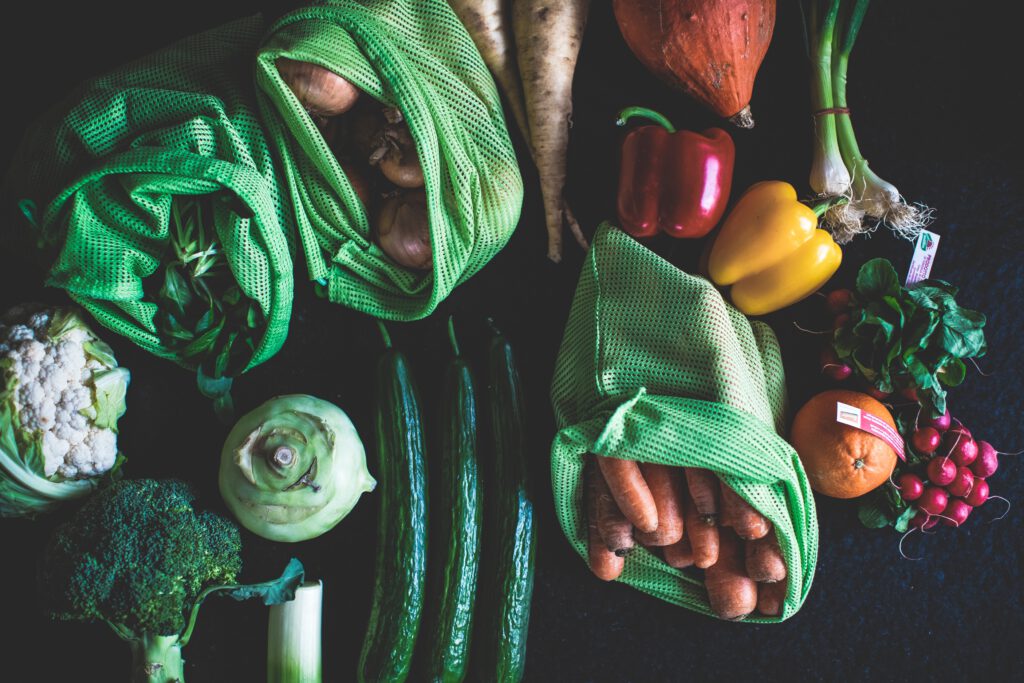
Whether food is lost or wasted, the consequences can be harmful to both humans and the environment. So let’s take a closer look at what food waste really means, what each of us can do about it, and ultimately, why it should matter to us all.
What is food waste, and how do we lose or waste food?
The concept of food waste encompasses two related yet distinct problems: food loss and food waste. Though often used interchangeably, the two are essentially different at their core.
Food loss refers to food that is discarded or “lost” before it ever reaches the consumer. Such losses may occur during harvesting or processing. Imagine corn that gets damaged while being picked or stored improperly so that it moulds before it even reaches the market. In such cases, the food is lost at the very early stages of its journey.
Food waste, on the other hand, occurs at the later stages of the value chain, specifically at the retail, restaurant and consumer levels. At the consumption stage, waste often results from spoilage and leftovers, for example, forgotten vegetables rotting in the fridge, or pieces of bread left uneaten on our plates.
As noted earlier, this goes far beyond personal stories—it is a global crisis, reflected in the numbers, and the statistics below reveal the scale of the problem:
- In 2021, around 13% of food (1.25 billion tons) was lost after harvest but before reaching the market (FAO).
- In 2022, about 19% of food (1.05 billion tons) was wasted in households, food services, and retail (UNEP).
- Globally, households account for 60% of all food waste (UNEP).
- In 2023, an estimated 2.33 billion people—nearly 28.9% of the world’s population—faced inadequate access to food (FAO).
- In that same year, 1 in 11 people worldwide experienced hunger (FAO).
- Food loss and waste are responsible for 8–10% of global greenhouse gas emissions (IPCC).
These numbers leave a significant footprint on our planet.
What impact does food loss and waste (FLW) have on the environment and on humans?
One of the most serious problems with food loss and waste is the sheer amount of greenhouse gases it generates, accounting for 8–10% of global emissions, as we have already noted. These gases are a driving force behind global warming. Food production and its wasteful loss create emissions at many stages. Once dumped—especially in landfills—food decomposes and releases methane. From the perspective of global warming, methane is 28 times more potent as a greenhouse gas than carbon dioxide (CO₂).
FLW results in enormous amounts of natural resources being squandered. Think of the water and land used in vain when food is thrown away. Fields are cultivated for crops that no one will ever eat, and all the fertilisers and energy poured into production are wasted as well.
And the effects reach further: food loss and waste make food far less accessible to people. The more food that is carelessly lost or discarded, the fewer resources remain to meet human needs – all this at a time when so many people around the world still go hungry. Beyond the economic losses, FLW creates even broader social challenges, with waste inflicting direct harm on the environment. Polluted waters, degraded soils, and a destabilised climate all threaten human health, livelihoods, and ecosystems that sustain us.
According to the EPA, food waste in the United States generates as many greenhouse gas emissions each year as 42 coal-fired power stations (that’s without even counting the methane released from landfill sites). The EPA also reports that food waste accounts for 24% of all landfill material in the U.S., and food alone is responsible for more than 58% of the methane released from landfills.
In Georgia, official data also highlight significant challenges in food waste management, with food waste making up the largest share of landfill waste. With support from the European Union, the country is advancing efforts to reduce waste by applying circular solutions and strengthening institutional capacity, drawing on European best practices to support the transition to circular practices.
Why and how should we reduce food waste?
Beyond the damage already described, reducing food loss and waste is also important for personal reasons. The Earth’s food resources are limited, yet they must be enough to sustain every life on this planet. Wasting less will help us preserve the health of the natural environment well into the future and live in true harmony with it.
It is also worth noting that reducing food waste is one of the most cost-effective and easily achievable goals in the fight against climate change.
There are simple yet significant steps each of us, as consumers, can take to cut down on waste:
Plan your shopping and cooking. Buy only the amount of food you can realistically use, and follow proper storage guidelines. It’s best to do your grocery shopping after a meal, when you’re not hungry (shopping on an empty stomach often leads to buying extra items, especially high-calorie foods, that you don’t really need).
Check labels before you buy. Pay close attention to expiration dates, especially on perishable items like milk or meat. If you expect the food to remain in the fridge for a while, remember that its shelf life may be limited.
Avoid discarding food thoughtlessly just because it has passed its “best before” date. That date does not necessarily mean the food is no longer safe. If its colour, smell, taste, or texture has not changed, the food is generally still good to eat.
When preparing meals, carefully measure the amount of ingredients you genuinely need. Store any leftovers, or even better, share them with others, such as your neighbours.
You can compost food right at home. It’s one of the most effective ways to give leftovers a new purpose and keep them out of the bin. We’ll walk through the practical steps for composting in the next section.
Clearly, this problem calls for broader action than individual effort alone. That’s why involvement of international partners and civil society is essential – not only for raising public awareness, but also for launching the right initiatives, and advancing supportive legislation and policies.
To tackle FLW effectively, the involvement of both government and the private sector is pivotal—for example, by organising systems for food waste collection and improving the processes that food goes through before it ever reaches us.
Composting — Smartest Solution
When organic waste is thrown away, it releases methane into the atmosphere; when it is burned, it produces carbon dioxide. Composting offers a wiser alternative. It is one of the most effective ways to deal with leftover food—disposing of waste safely and enriching the soil at the same time.
Composting is a natural biological process in which organic waste—such as food scraps, leaves, grass, or other plant material—breaks down and transforms into humus, a nutrient-rich substance that enriches and restores the soil. In forests, this cycle unfolds naturally, but we can recreate it intentionally in our own backyards—faster and with more purpose.
In a compost pile, microorganisms (bacteria, fungi, etc.) feed on organic waste. As they break down the material, heat is released, and the process gradually turns the waste into a stable, fertile mixture that nourishes the soil.
How to make compost?
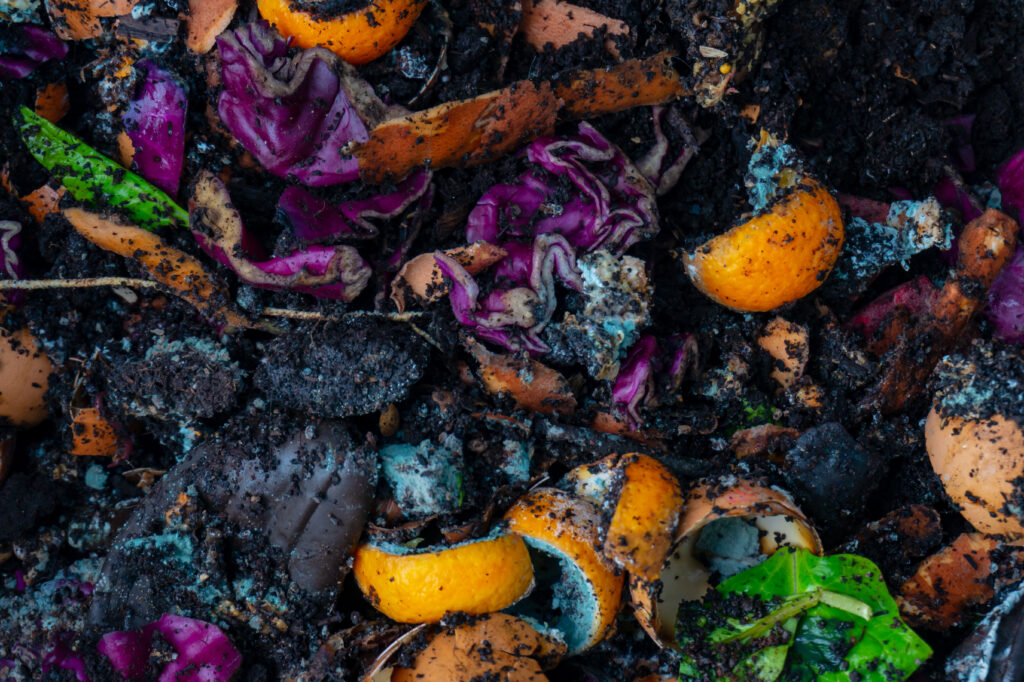
To get started, you’ll need a compost bin and organic waste.
Your compost pile should be about 1–1.5 meters wide, with the length depending on the amount of waste you have. This size makes it easier to turn the pile and ensures that enough air reaches the material.
Keep the bin in a shaded spot, preferably under a tree—but not under conifers. Choose a slightly elevated area to ensure drainage and prevent rainwater from pooling inside the bin.
Almost any organic material can be used for composting, including food scraps, cow and poultry manure, feathers, orchard and vineyard prunings, straw, paper, ash, grape pomace, and others.
These organic materials contain nitrogen (N) and carbon (C), and in compost, the optimal balance between them is about 1:25–30 (N: C). Moist “green” materials like fruit and vegetable scraps, fresh grass, green leaves, manure, and legumes are rich in nitrogen, while dry “brown” materials like fallen leaves, hay, straw, wood chips, sawdust, and cardboard are rich in carbon.
It’s important to note that some waste materials should never be added to compost. These include: diseased or poisonous plants, high-acidity plant matter (such as pine needles), cat and dog faeses (which may contain harmful pathogens), non-organic materials such as metal, plastic, and glass, as well as large chunks of organic waste (all waste should be chopped or shredded before composting)
To make compost, the materials should be arranged in layers, in a specific order. The base of the pile should rest directly on the soil (the bin should not have a bottom), for microorganisms and earthworms to easily find their way in. To boost their presence, you can also add a little piece of finished compost or garden soil to the pile.
You can build your compost pile using this basic layering method:
- Soil as the first layer;
- 10–15 cm of green organic waste + about 4 kg of ash per 1 m³ of waste;
- 5–10 cm of manure of various types, plus ash;
- cm of soil mixed with peat as a top dressing;
- Cut grass and a burlap sack as a covering layer.
It is helpful to water the compost periodically with a nettle infusion. Each layer should also be sprinkled with a bit of soil, and whenever you turn the pile, it’s a good idea to add earthworms.
It usually takes around two to three months from the start of the process to obtain black, crumbly compost. After that, you can enrich the soil with this natural fertiliser. And if you don’t do the gardening yourself, you can always share the humus with a neighbour or with anyone else who can make good use of it.
To have a steady supply of compost, it’s best to collect waste in a long bin with two compartments, or keep two separate bins. While you are filling the second bin, the compost in the first one will already have matured and be ready for use.
About the project
The EU-funded four-year initiative “Circular Cities and Regions in Georgia: Building Local Capacities to Advance Waste Prevention and Circular Economy in the Regions of Georgia” is implemented by CENN in partnership with ICLEI Europe. This initiative aims to foster a more inclusive, sustainable, and environmentally resilient future for Georgia by promoting resource efficiency, sustainable consumption, and production practices, while significantly reducing waste generation in the Kakheti region and the Adjara Autonomous Republic (AR).
This material has been produced with the assistance of the European Union, within the framework of the “Green Diplomacy Week” and the programme “Circular Cities and Regions in Georgia”, implemented by CENN with EU assistance. Its content are the sole responsibility of CENN and do not necessarily reflect the views of the European Union.