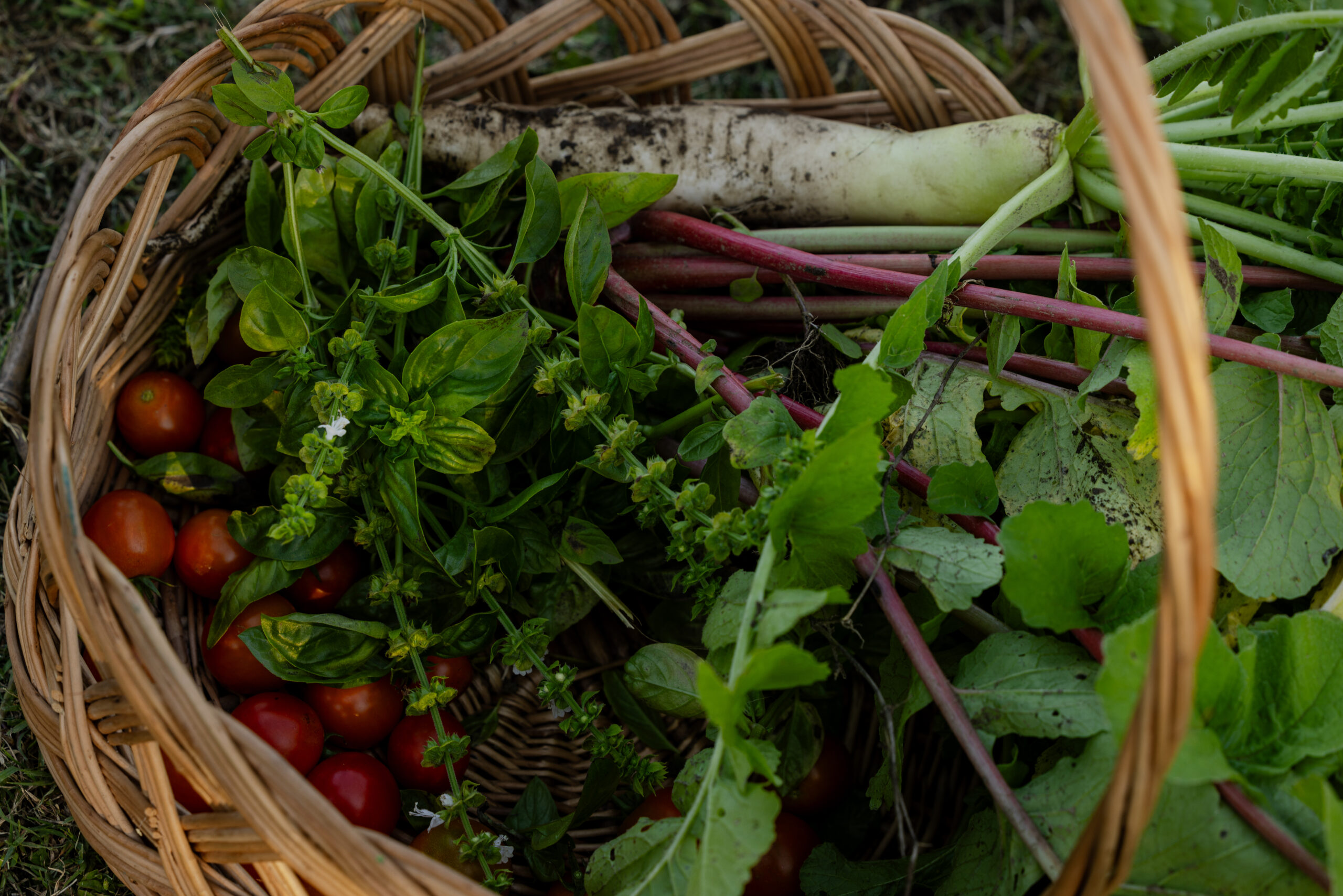
A new era is beginning for agriculture in Guria, where centuries of experience and modern technology come together. Where once only physical labor was required, today European standards and “smart” systems are being implemented. Within the “Green Guria” project, support from the European Union and CENN is directed not only toward increasing production but also toward wise resource management and environmental responsibility. This is not just financial aid; it is an investment in knowledge and innovative solutions that turn Gurian farms into economically sustainable and competitive businesses.
A New Standard for Berry Crops
Berry production has become one of the most promising sectors in Guria. Several unique farms have been strengthened in this sector with EU support:
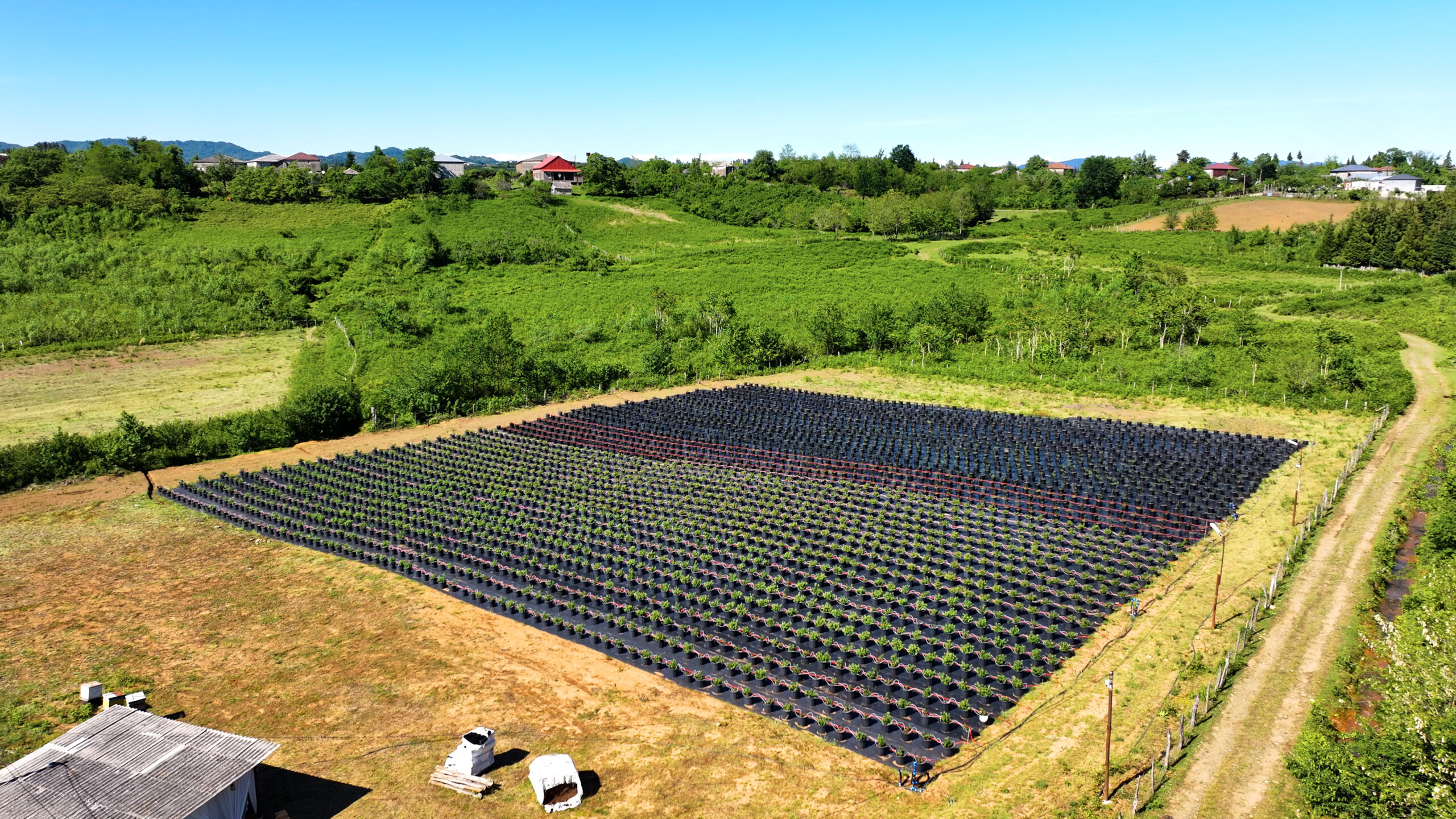
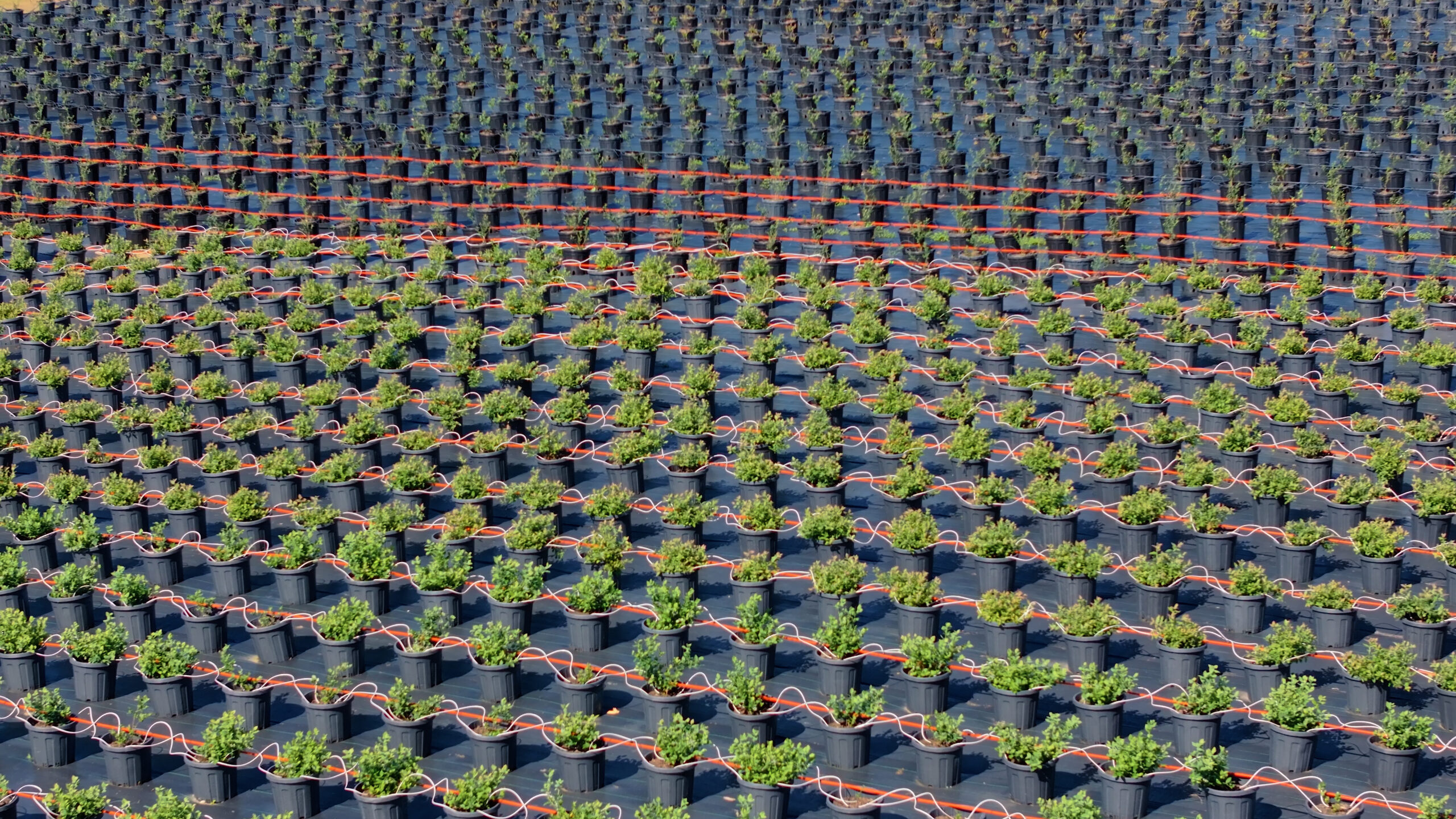
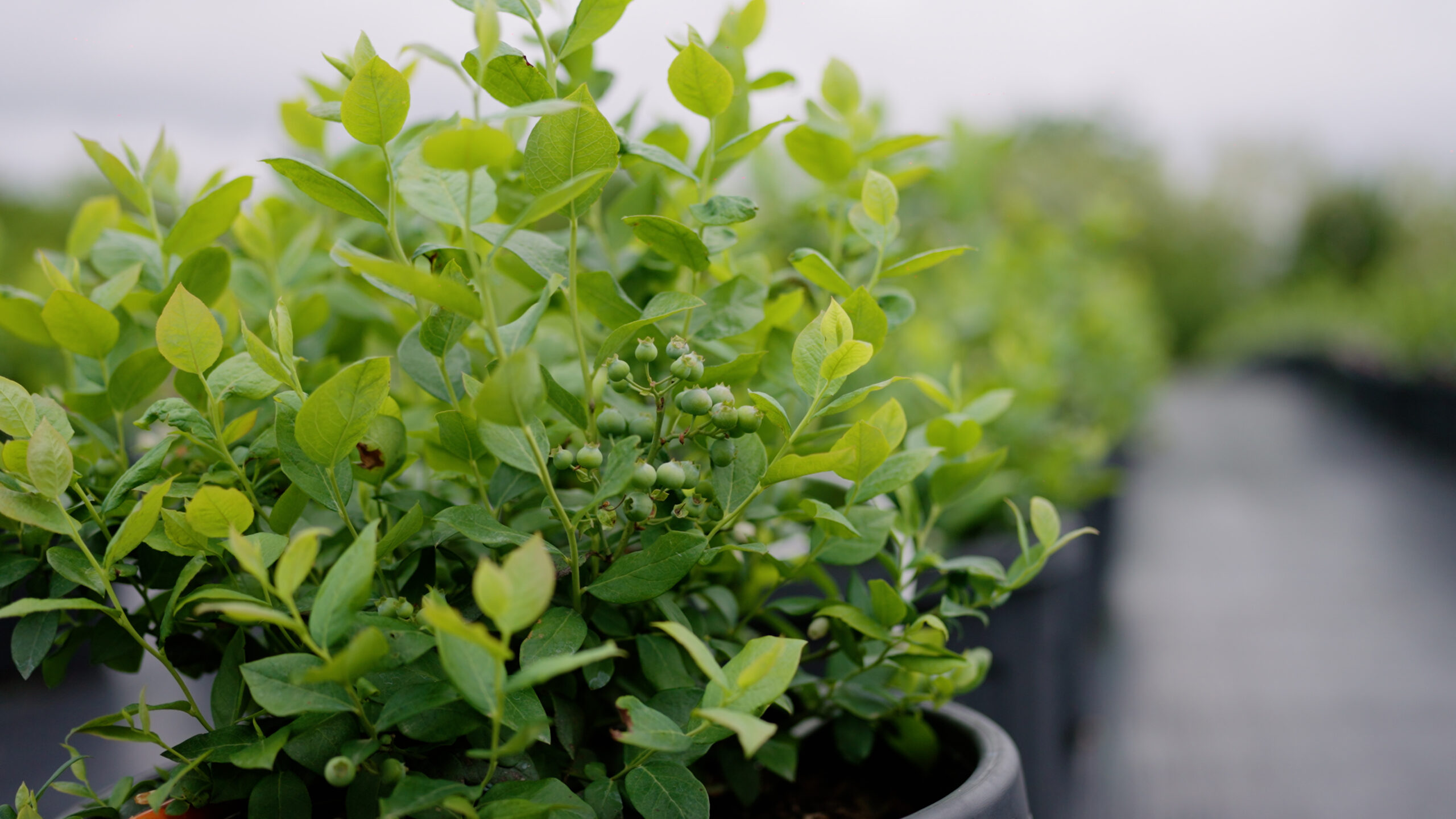
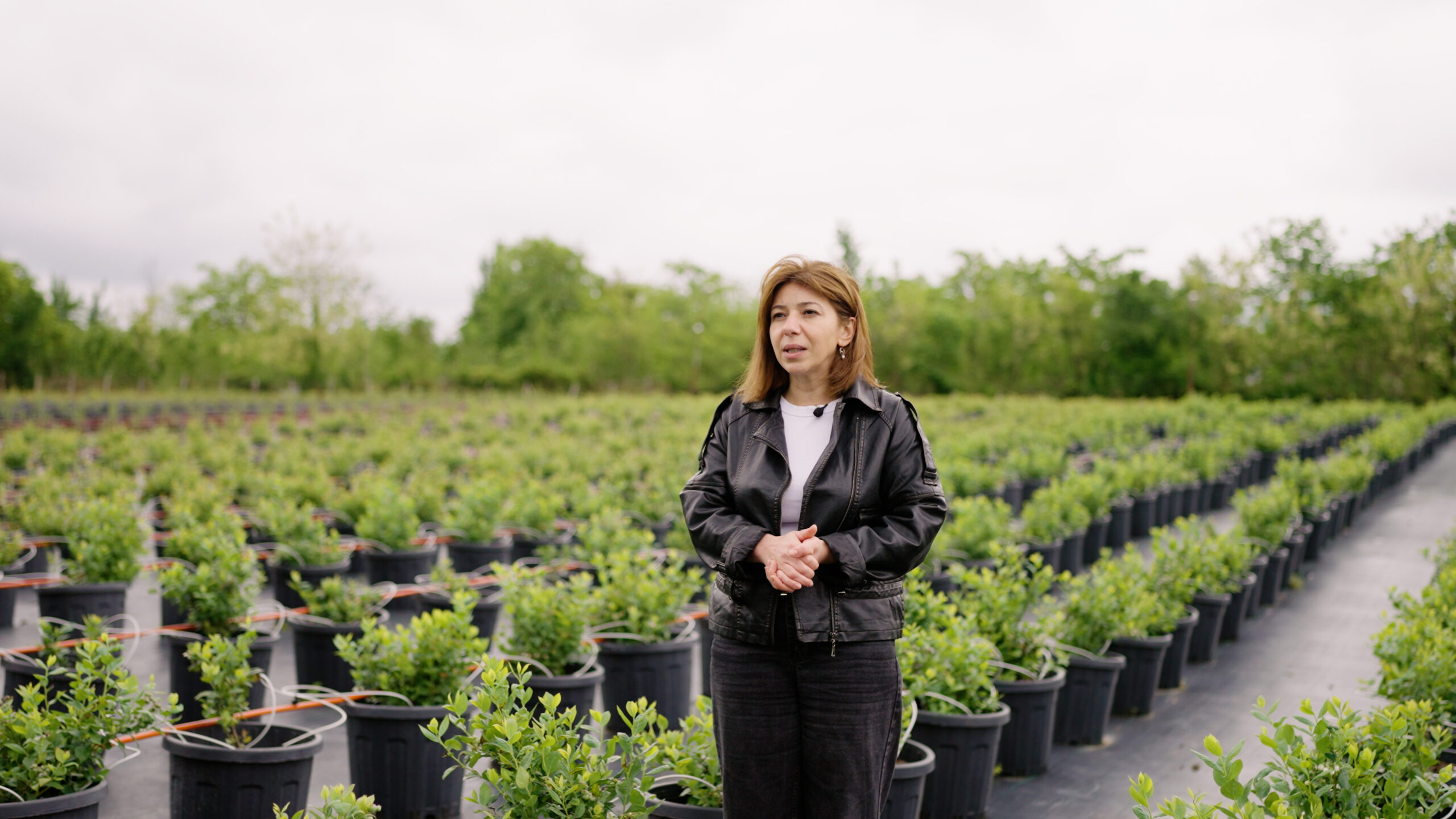
Tea Tskhomelidze’s Blueberry Garden: In Melekeduri Village, a blueberry plantation was modernized according to contemporary standards. As part of the project, 1,500 early-variety blueberry plants were grown in pots, and a modern automated smart irrigation system with sensors was installed. Automated control ensures precise moisture and nutrient control, which is a prerequisite for producing premium-grade blueberries.
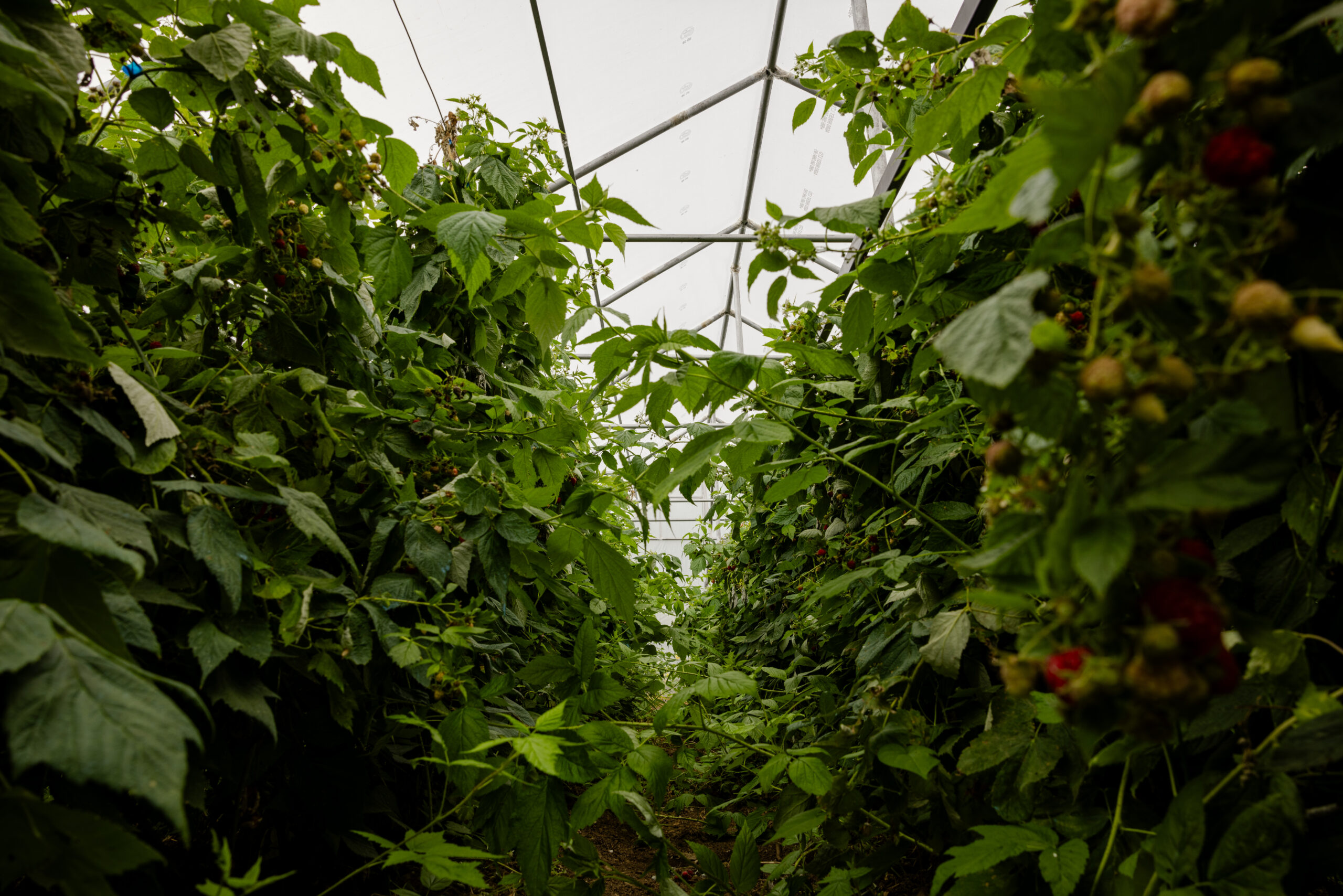
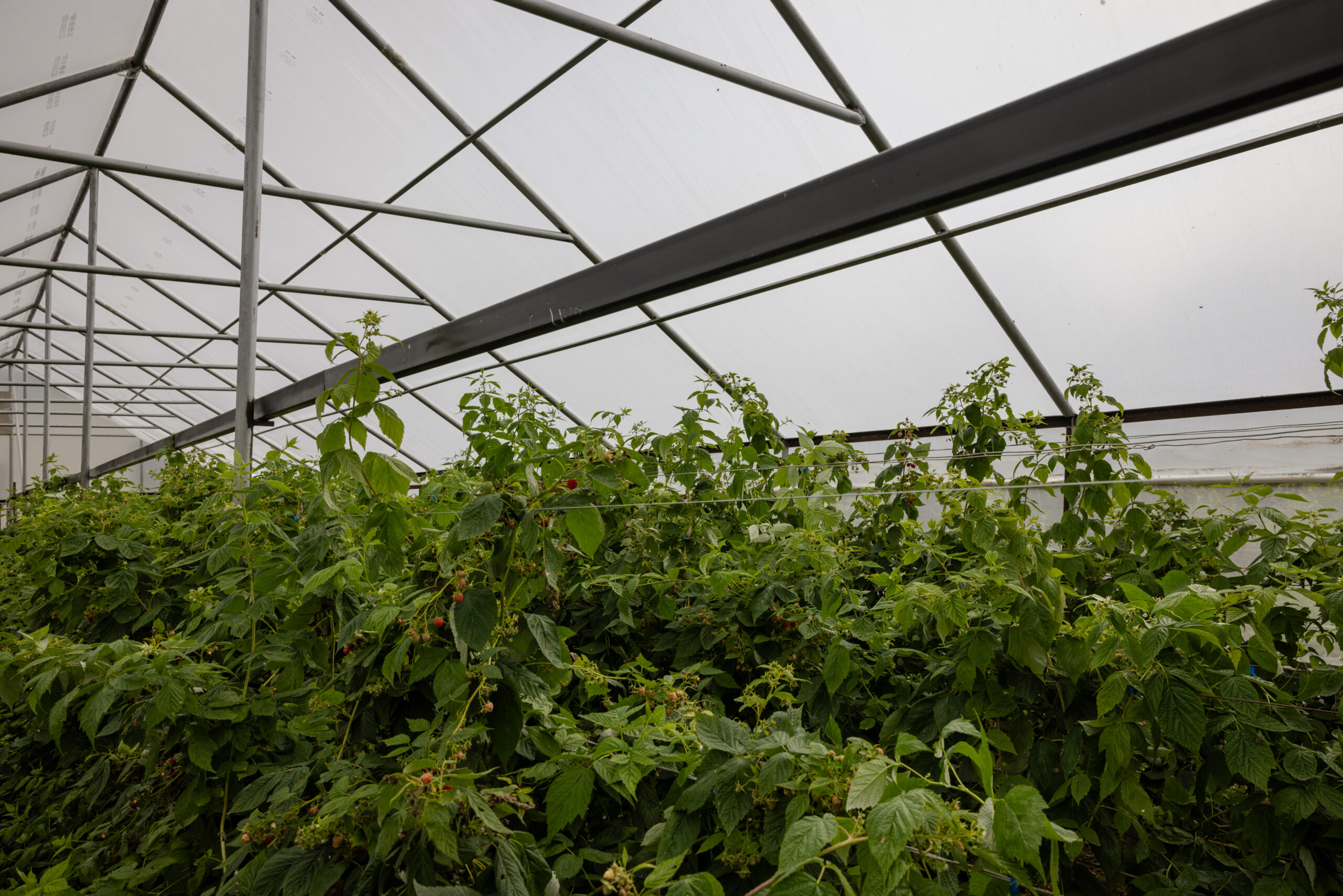
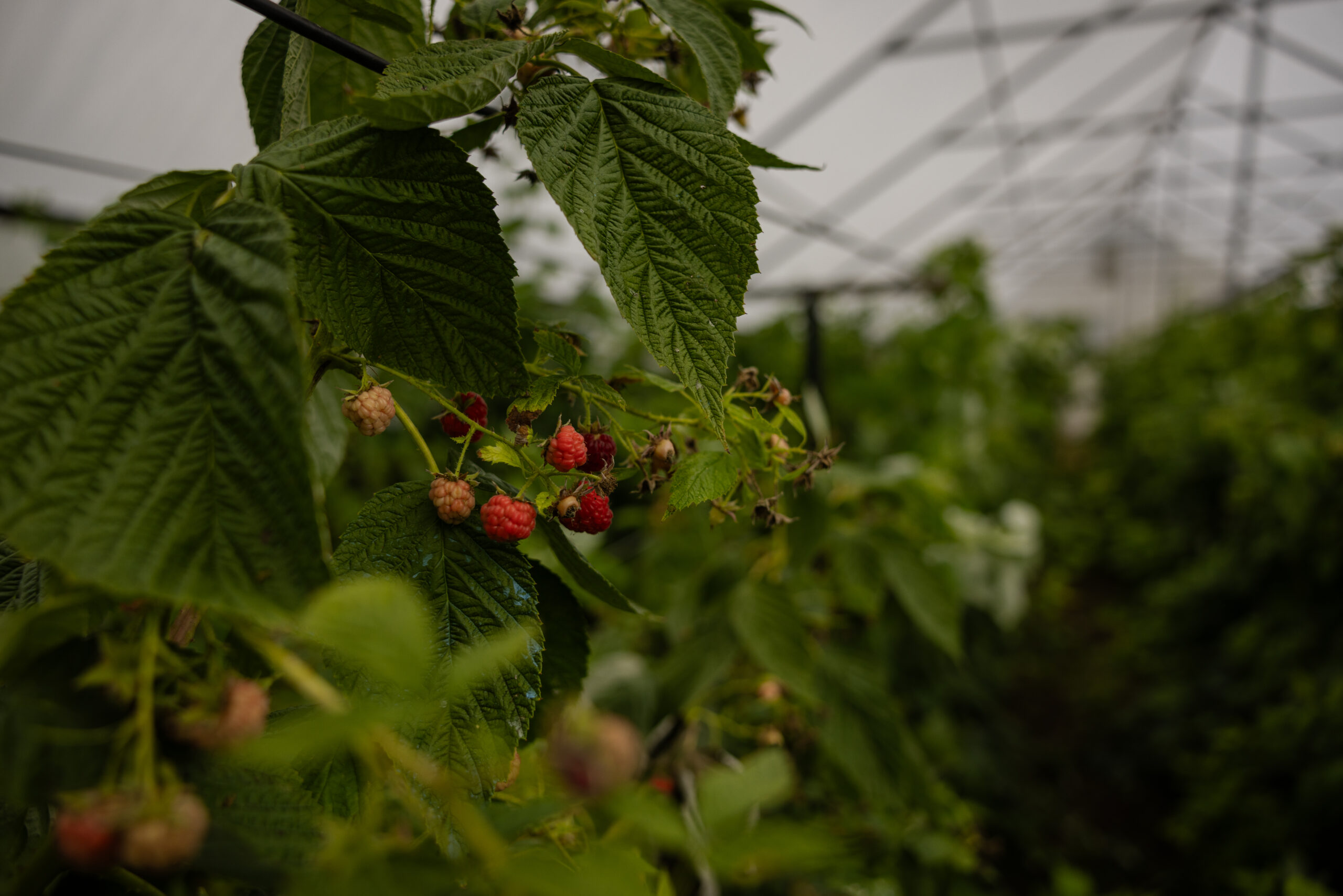
Zauri Menabde’s Raspberry Greenhouse: Thanks to a modern irrigation system and greenhouse conditions, harvests are now collected twice a year, reaching a total of 2,280 kg. Raspberries grown with bio-friendly methods stand out in the market for their flavor. The project also excels in social responsibility by creating employment and professional development opportunities for people with disabilities.
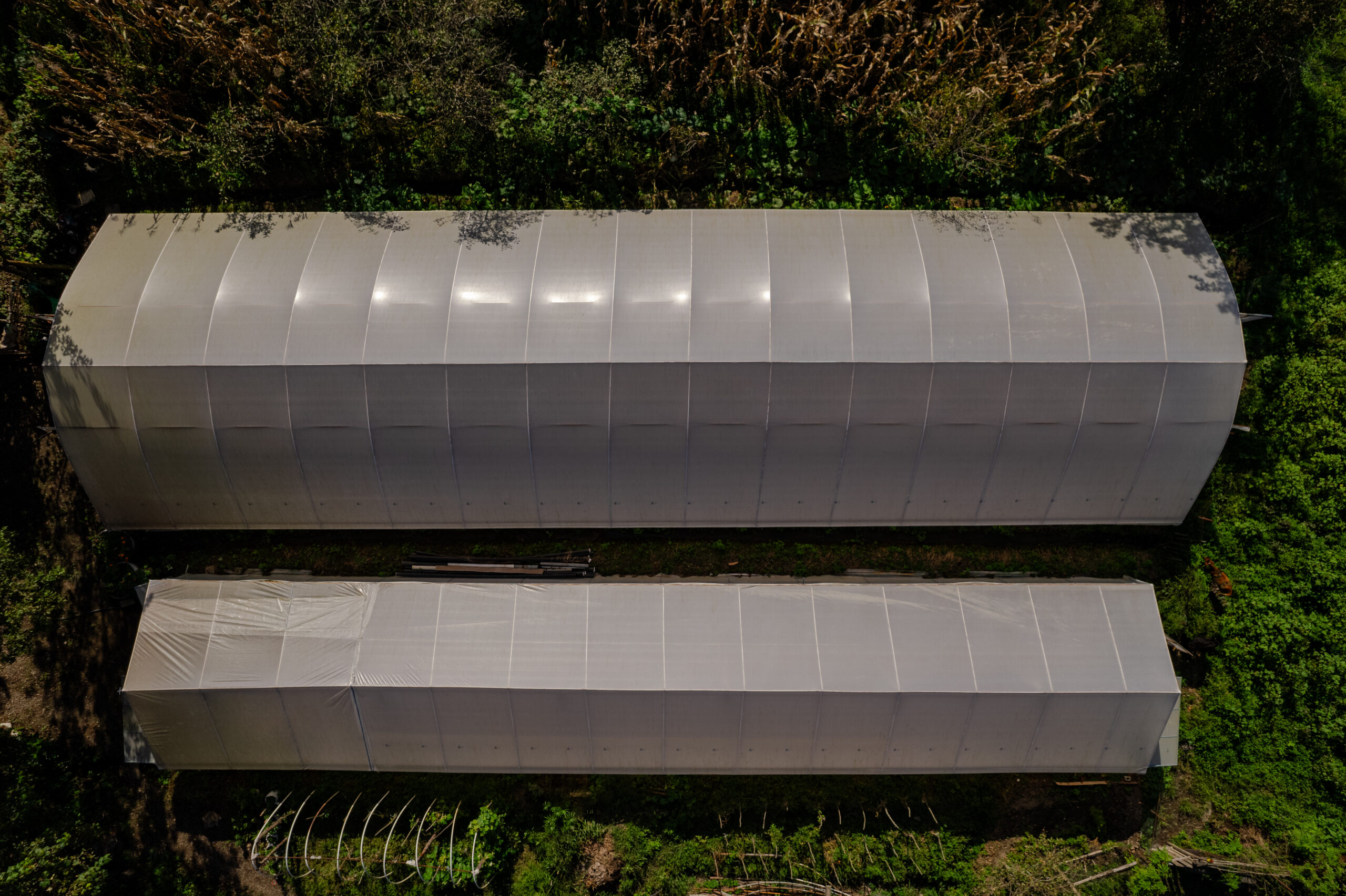
Gela Chkhobadze’s Strawberry Greenhouse: A 300 m² greenhouse in Tskhemliskhidi Village turns strawberries from a seasonal treat into an always-available product. With implemented technologies and 5 years of hands-on experience, 3,000 strawberry seedlings ensure continuous, year-round harvests regardless of the season.
Innovative Farming
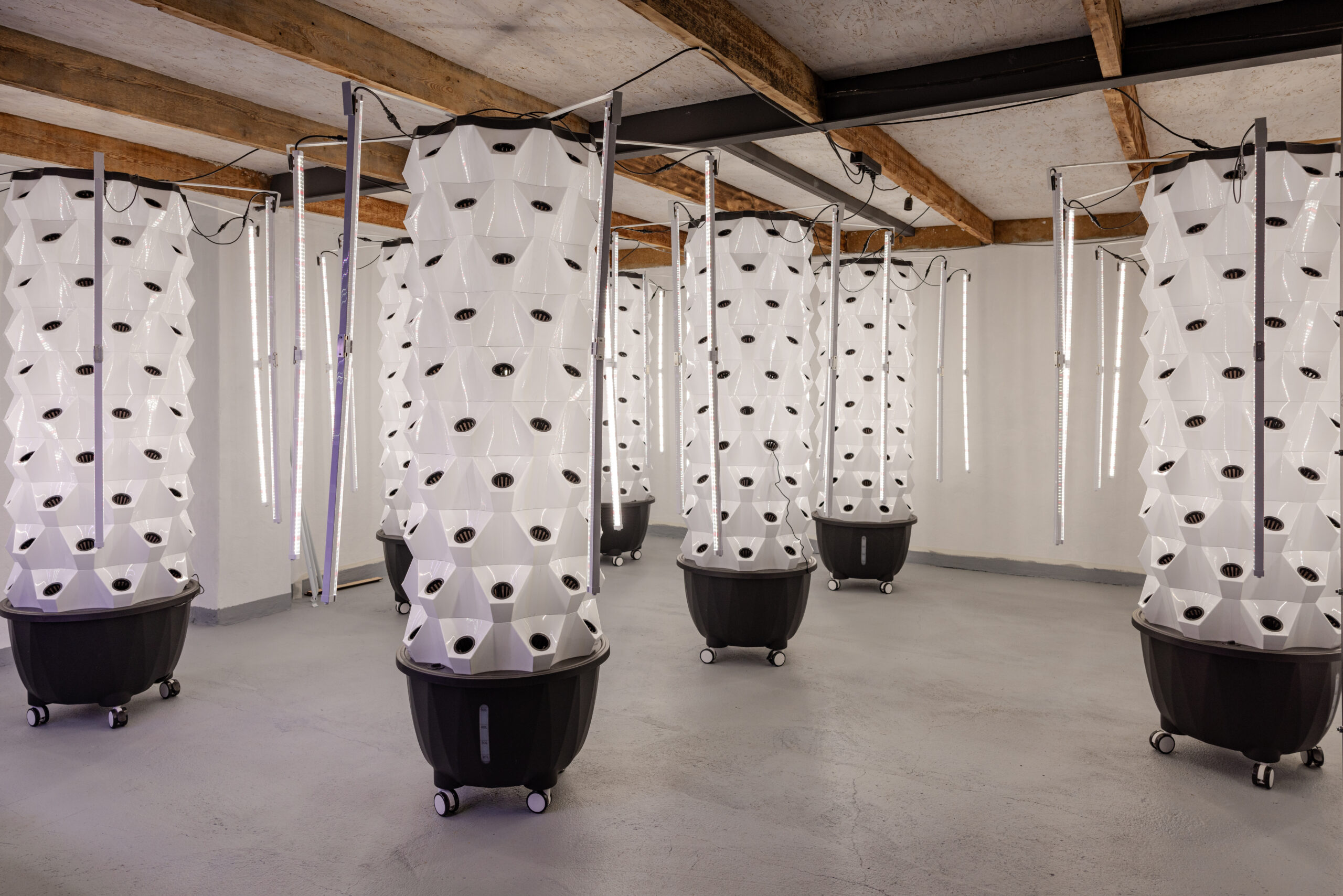
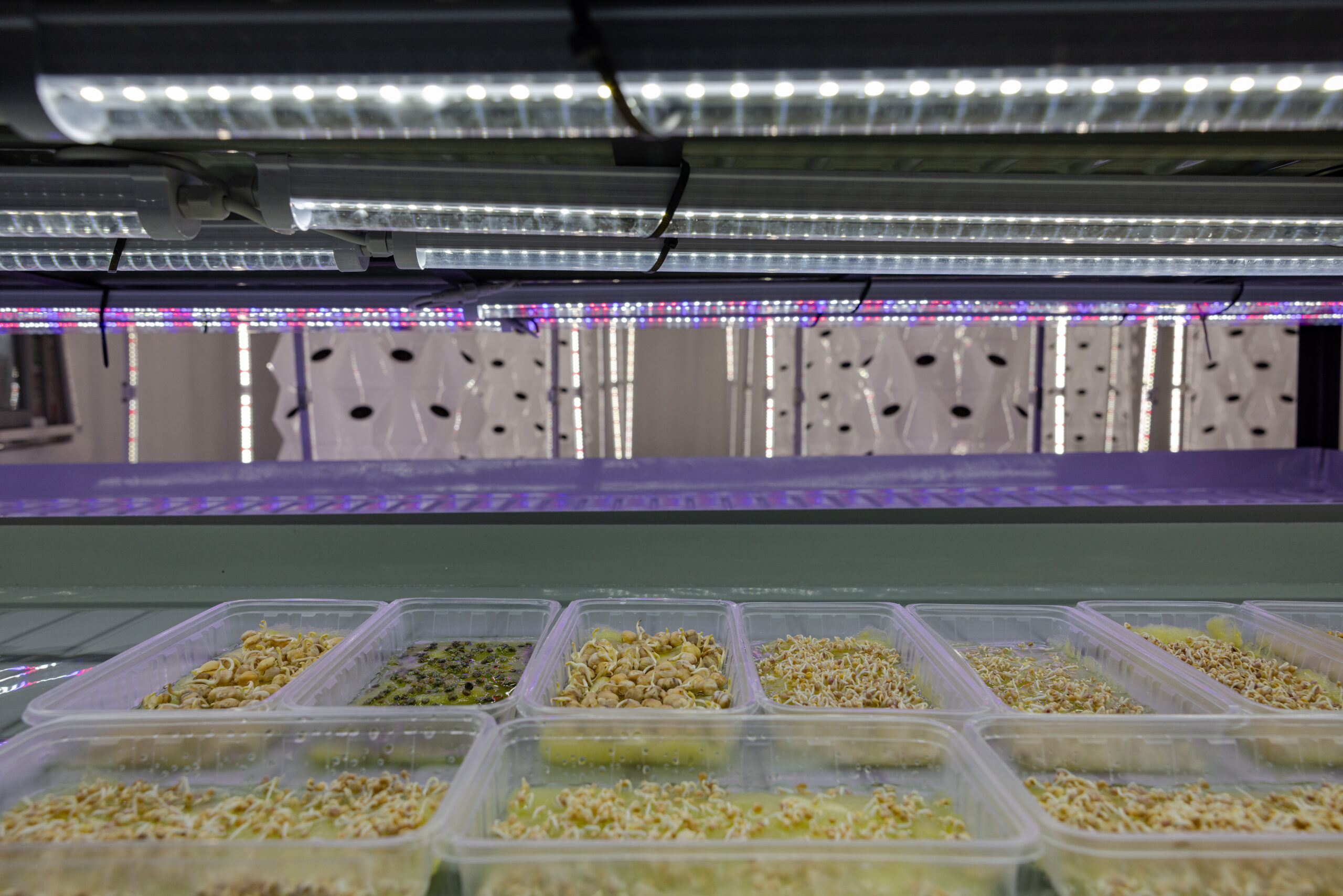
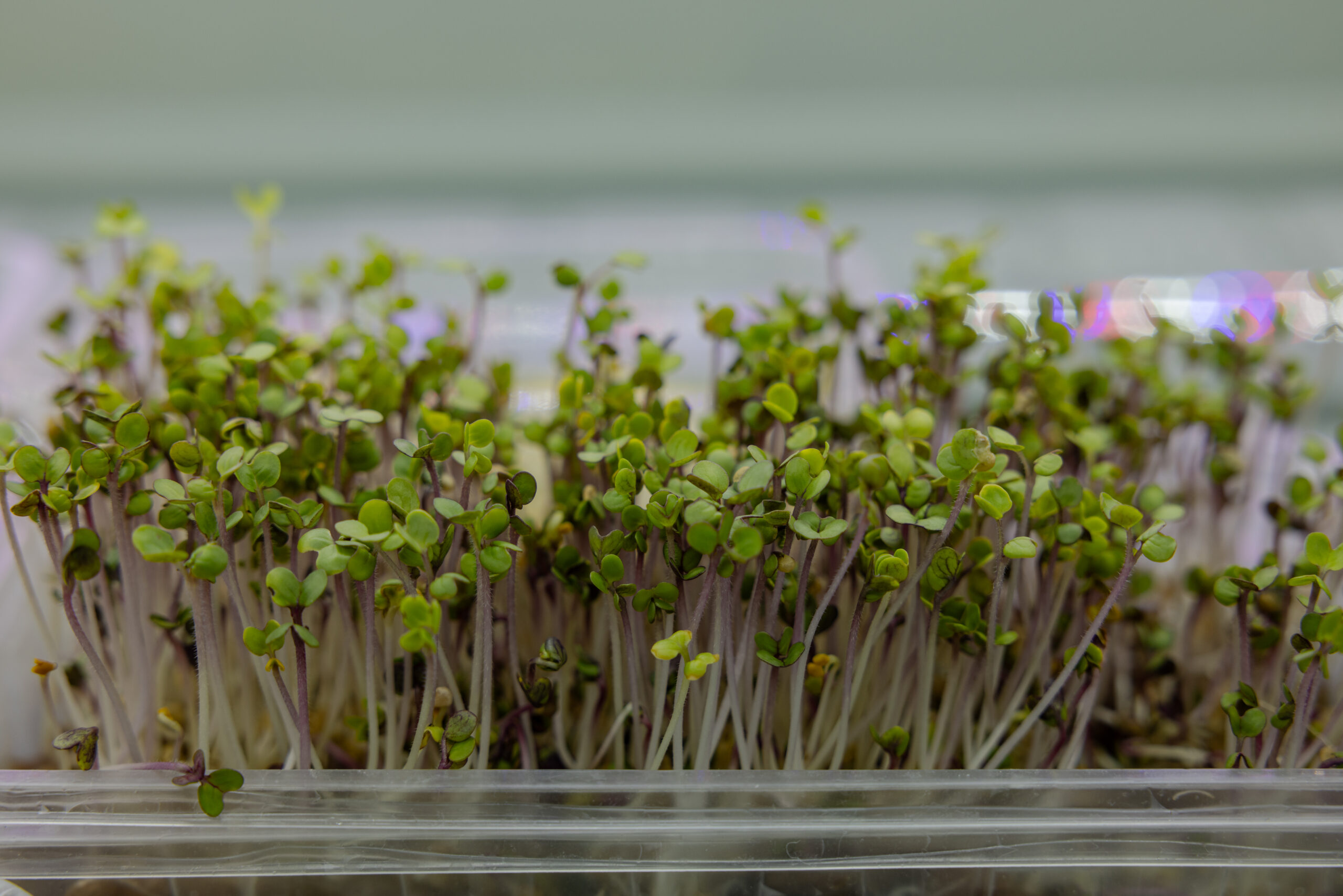
The pinnacle of technological progress is Giorgi Darchia’s “Aerogarden” in the heart of Ozurgeti. This is a fully automated vertical aeroponics farm built inside a converted cargo container. An integrated app allows the farmer to remotely manage all plant growth parameters, ensuring stable production of eco-friendly microgreens.
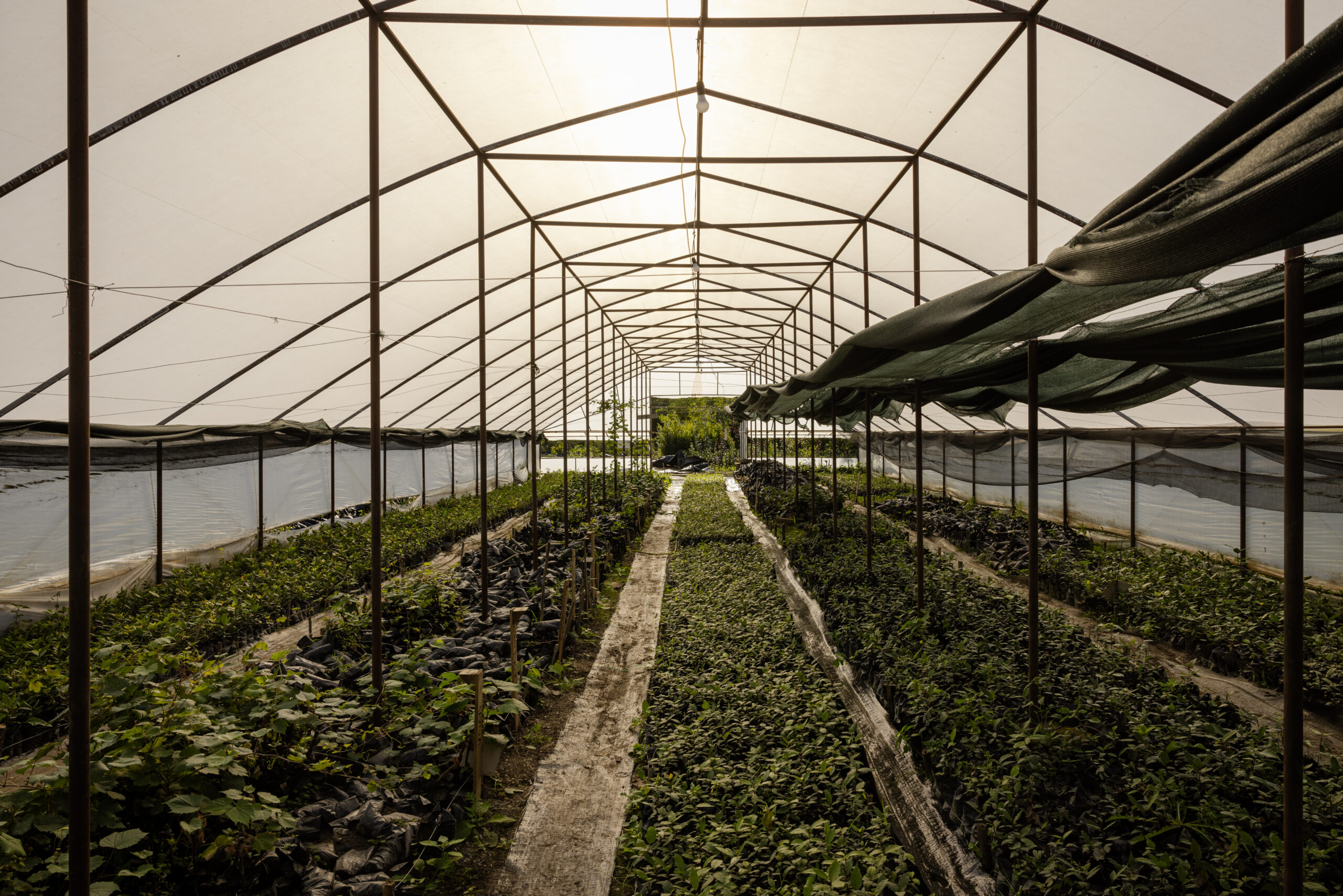
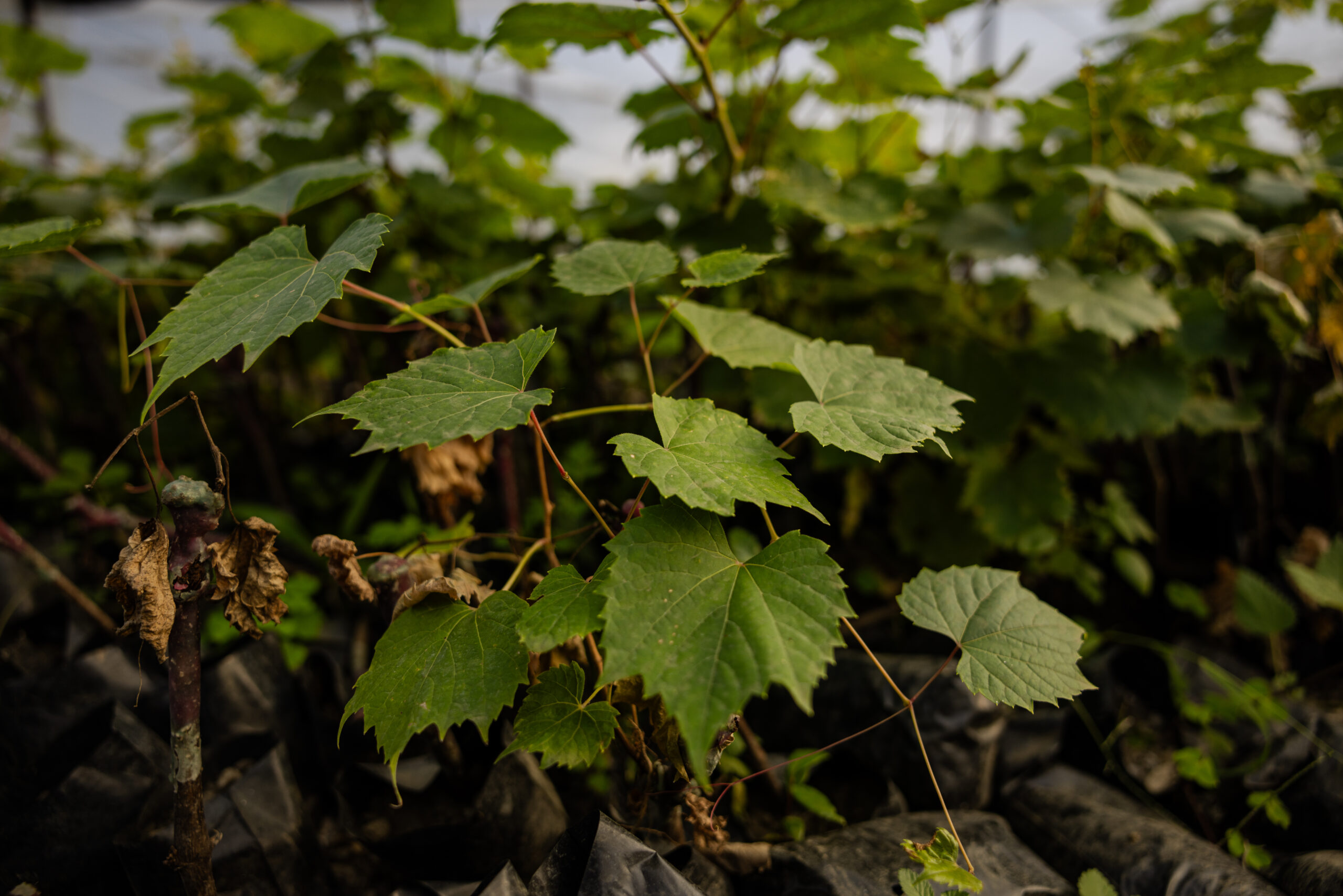
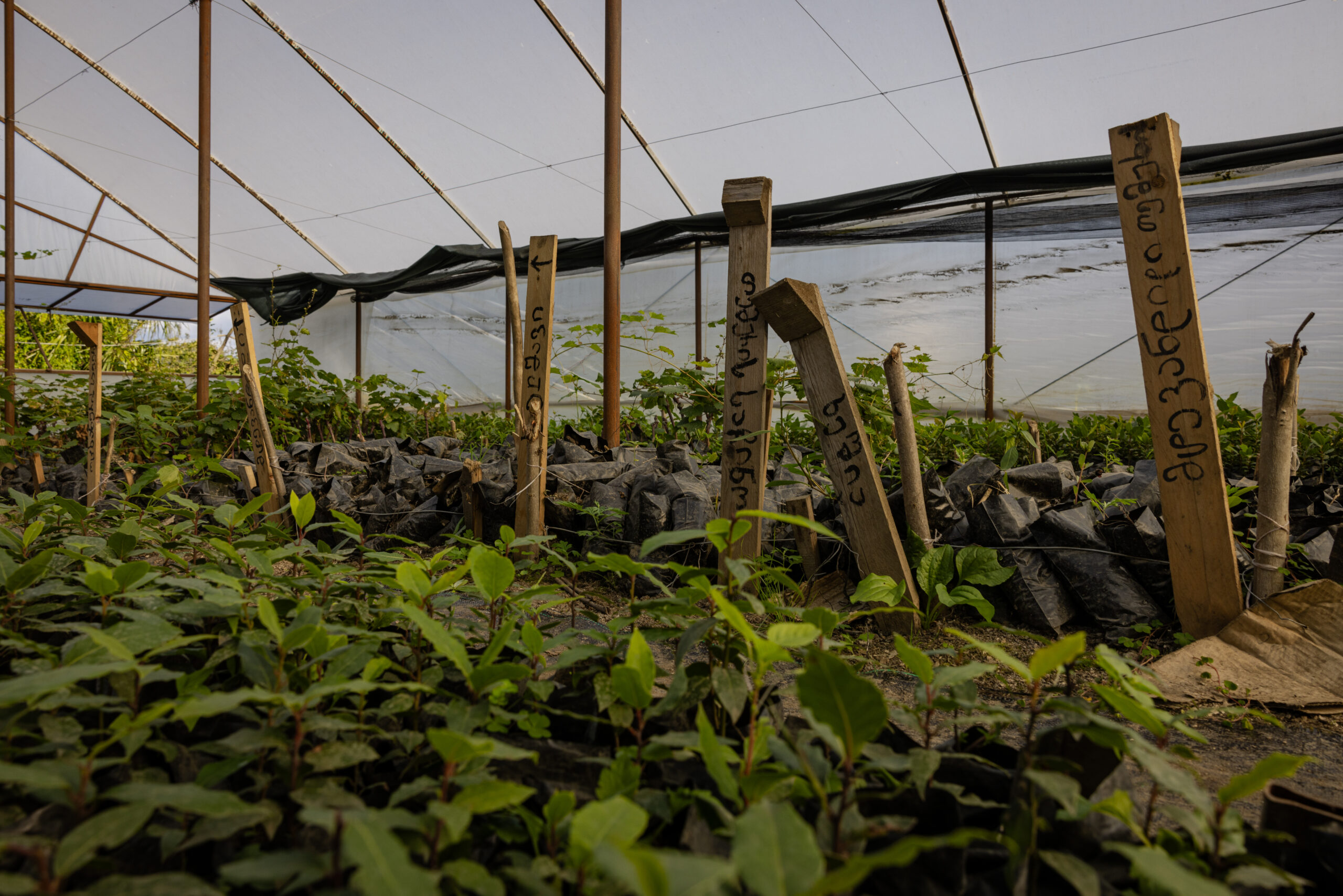
An innovative approach is also demonstrated by the Agricultural Cooperative “Nergebi” in Lesa Village, where the introduction of modern grafting equipment doubled the production of endemic vine seedlings (from 15,000 to 30,000 per year), providing a foundation for the revival of Gurian viticulture.
Greenhouses and Vegetable Production
In the vegetable sector, the focus has been on quality and overcoming seasonality.
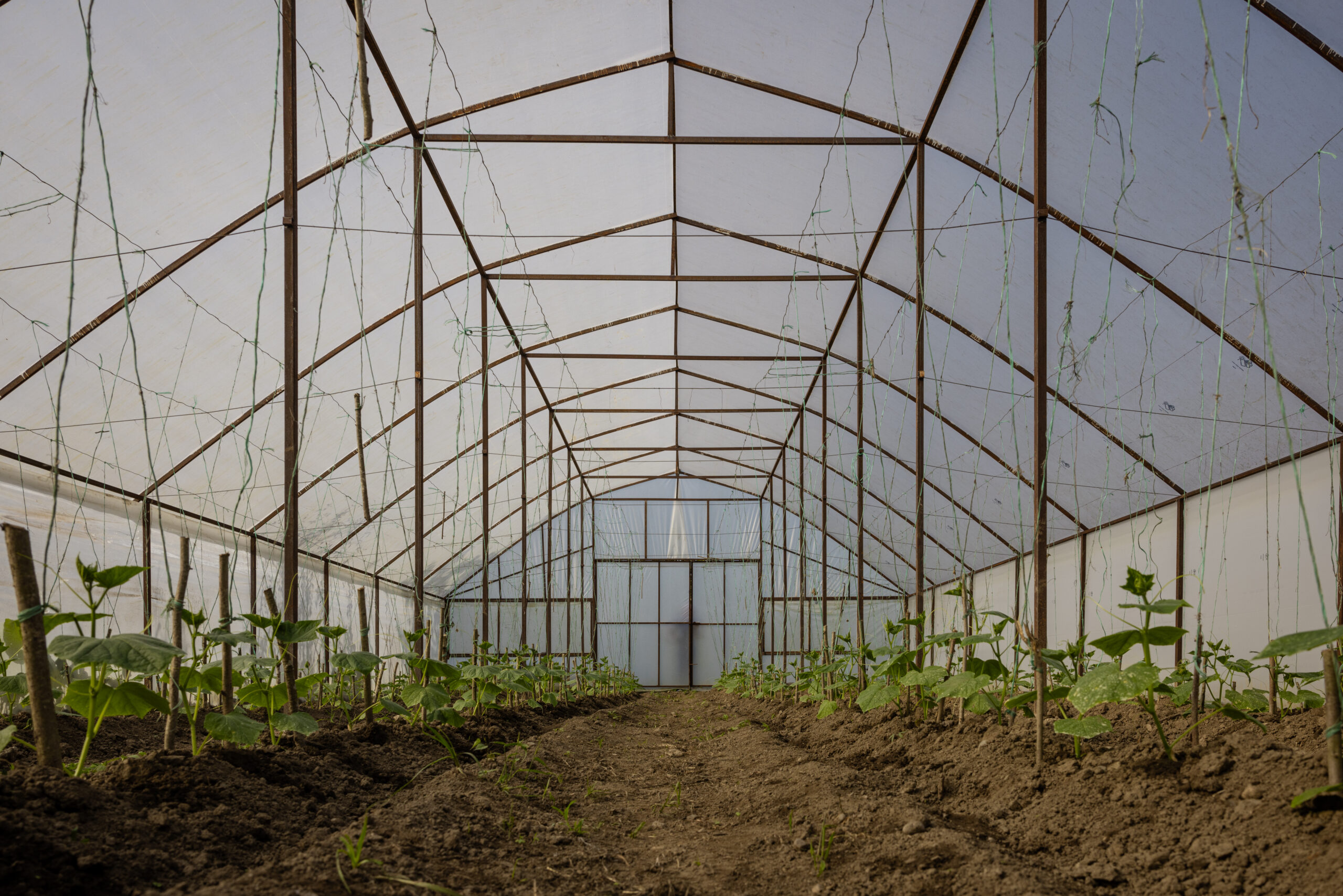
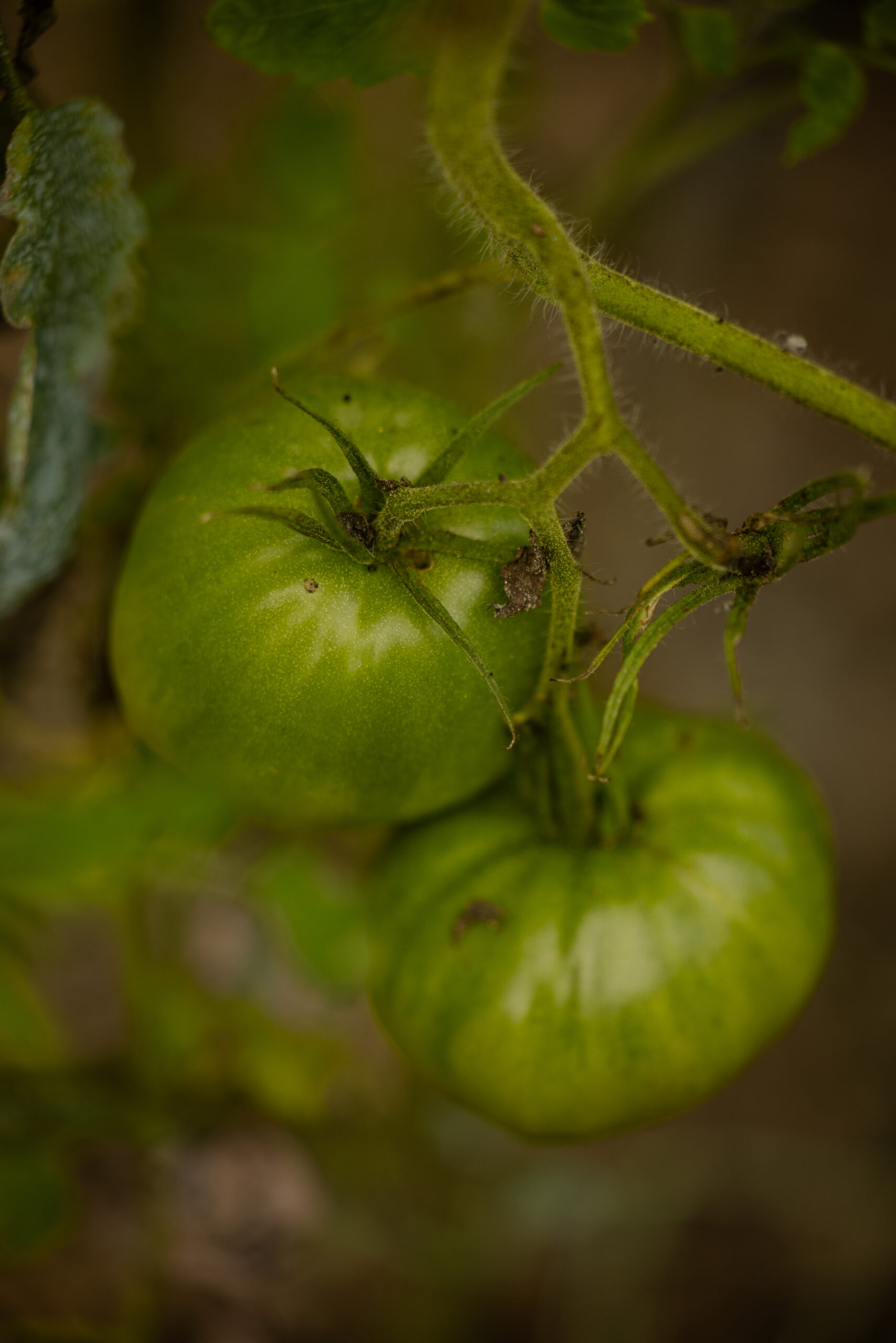
“Vera’s Greenhouse”: In Akhalsopeli Village, Vera Abkhazava, who has 28 years of farming experience, expanded her greenhouse area with project support, increasing seasonal tomato production from 150 kg to 800 kg. The farm’s main advantage is the use of natural bio-fertilizer, which minimizes nitrate levels.
Manana Nikolaishvili’s Vegetable Seedling Greenhouse: This greenhouse in Bakhvi Village supplies the local market with high-quality seedling material. Up to 25,000 seedlings of various vegetable species can be produced annually in the 150 m² greenhouse.
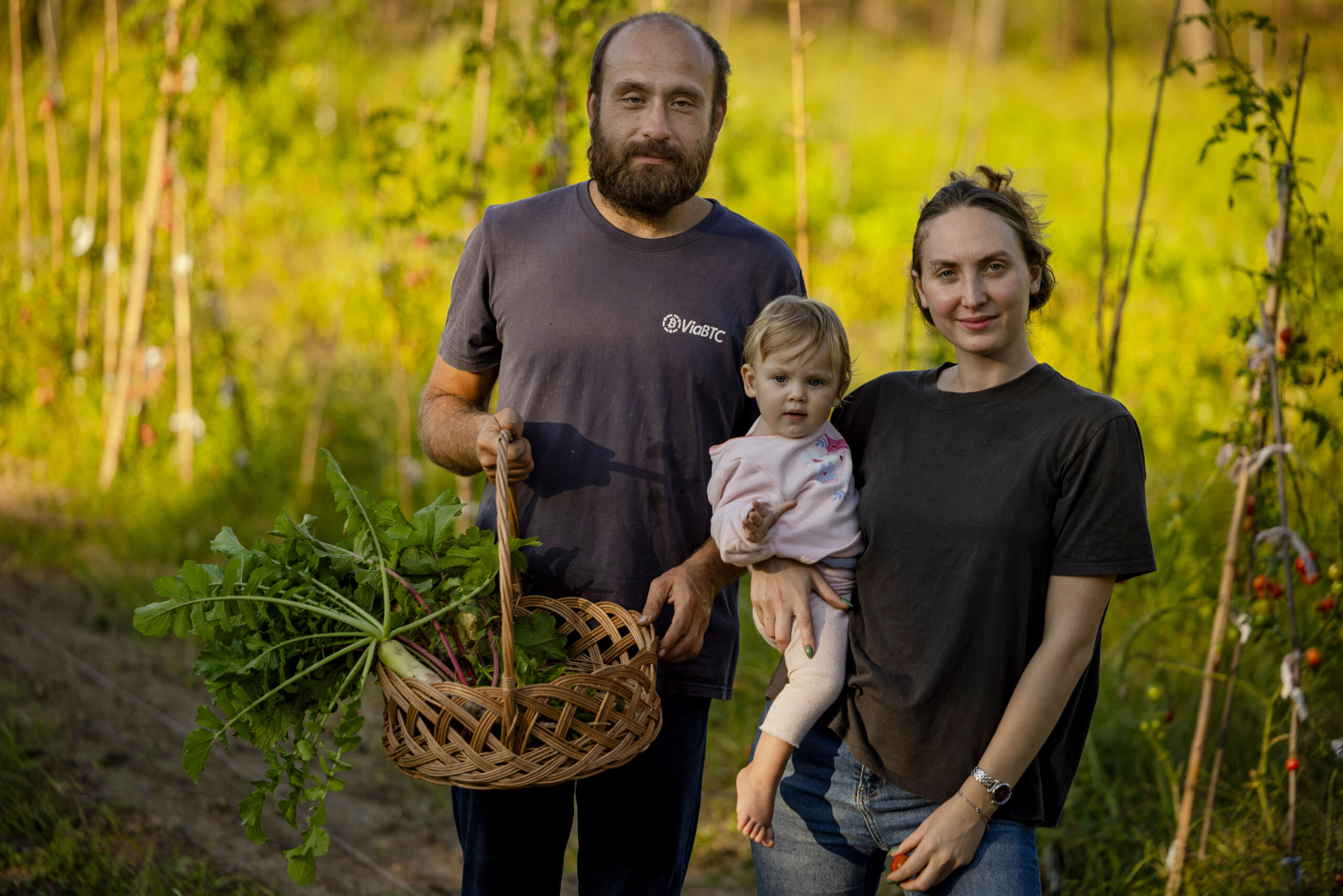
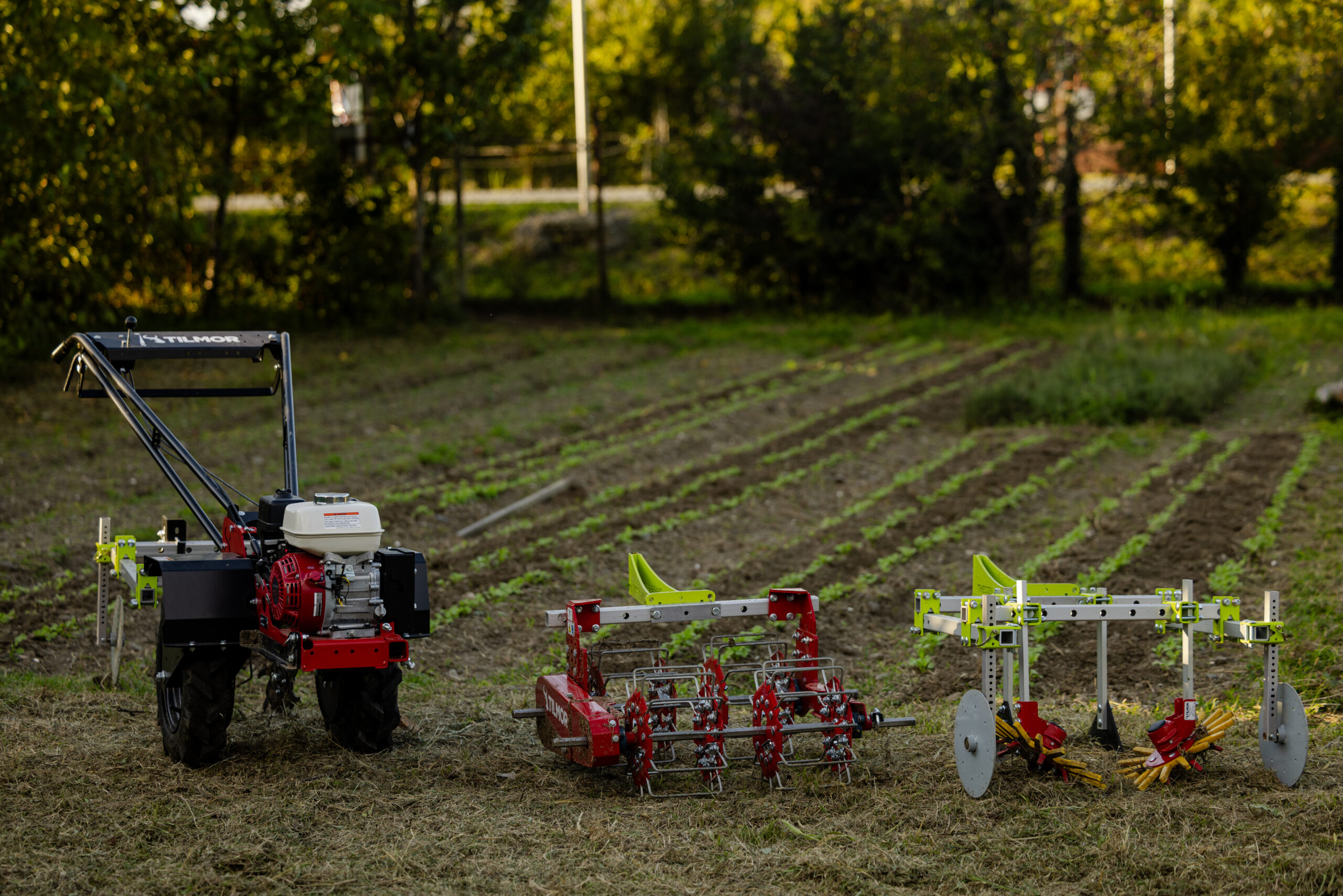
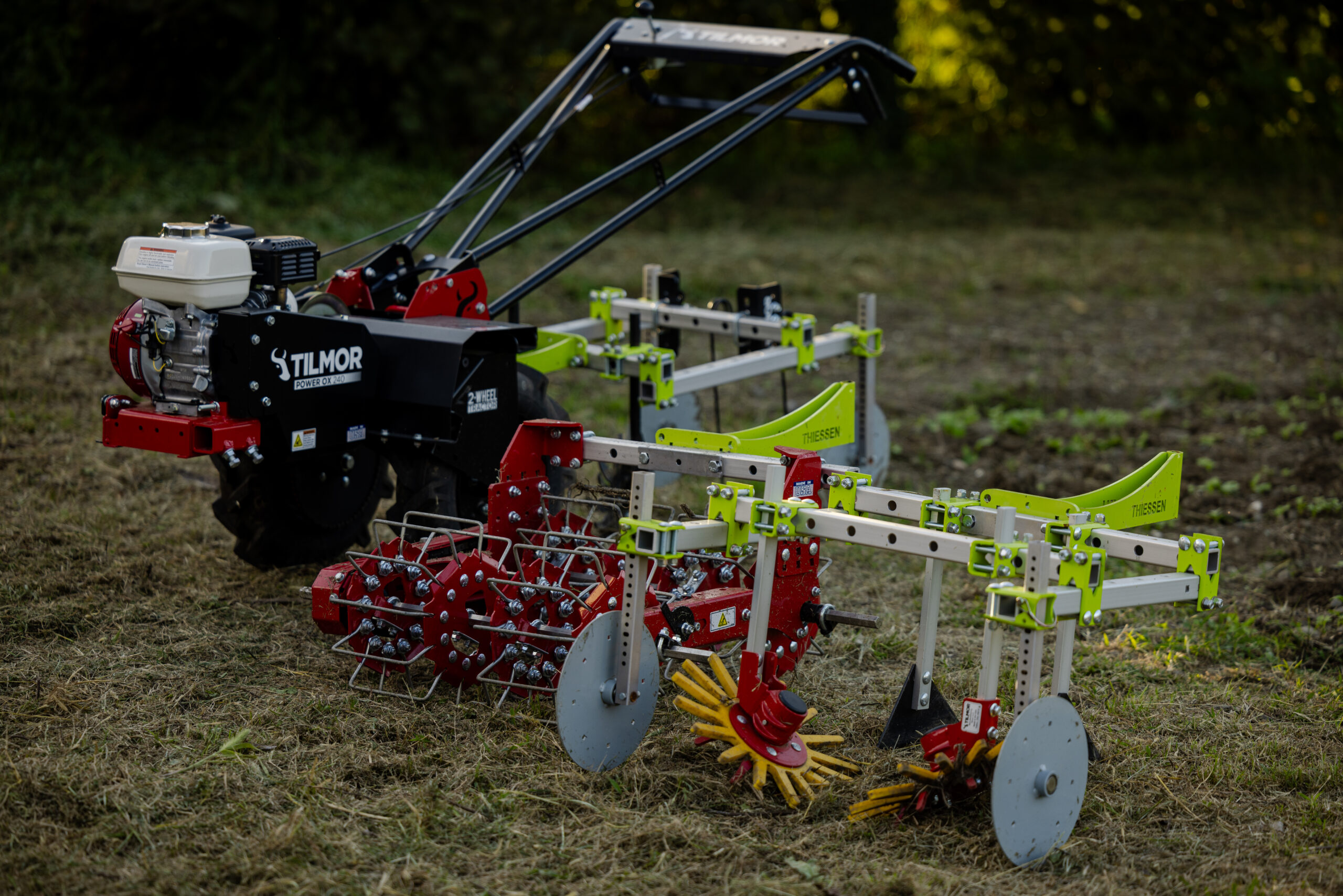
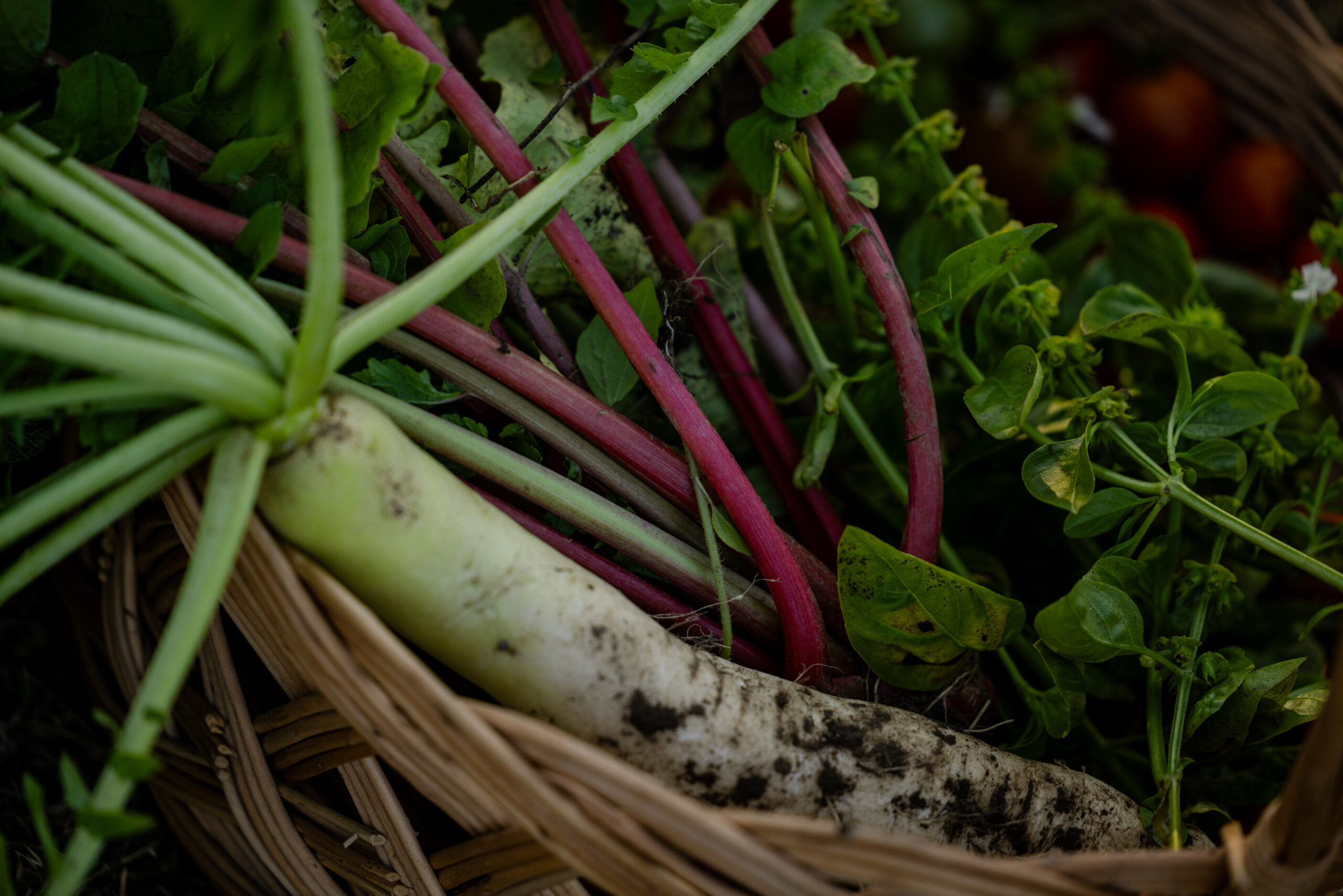
Farm “Oda”: In Nigoiti Village, Salome Kalandadze’s farm was equipped with modern tractor-mounted agricultural tools, replacing heavy physical labor with an efficient, mechanized process. This change significantly simplified vegetable cultivation, saving time and resources.
Ecological Cycle: Mulch Production
Sustainable agriculture is unimaginable without waste management. Tengiz Tsintsadze’s project in Lanchkhuti processes acacia and orchard prunings into eco-friendly mulch. This innovation not only protects the soil and reduces weeds but also eliminates the harmful practice of burning pruned branches, directly contributing to environmental protection.
These initiatives, supported by the European Union and CENN, are creating a new ecosystem where Guria’s natural resources and innovative approaches unite for the region’s prosperity.
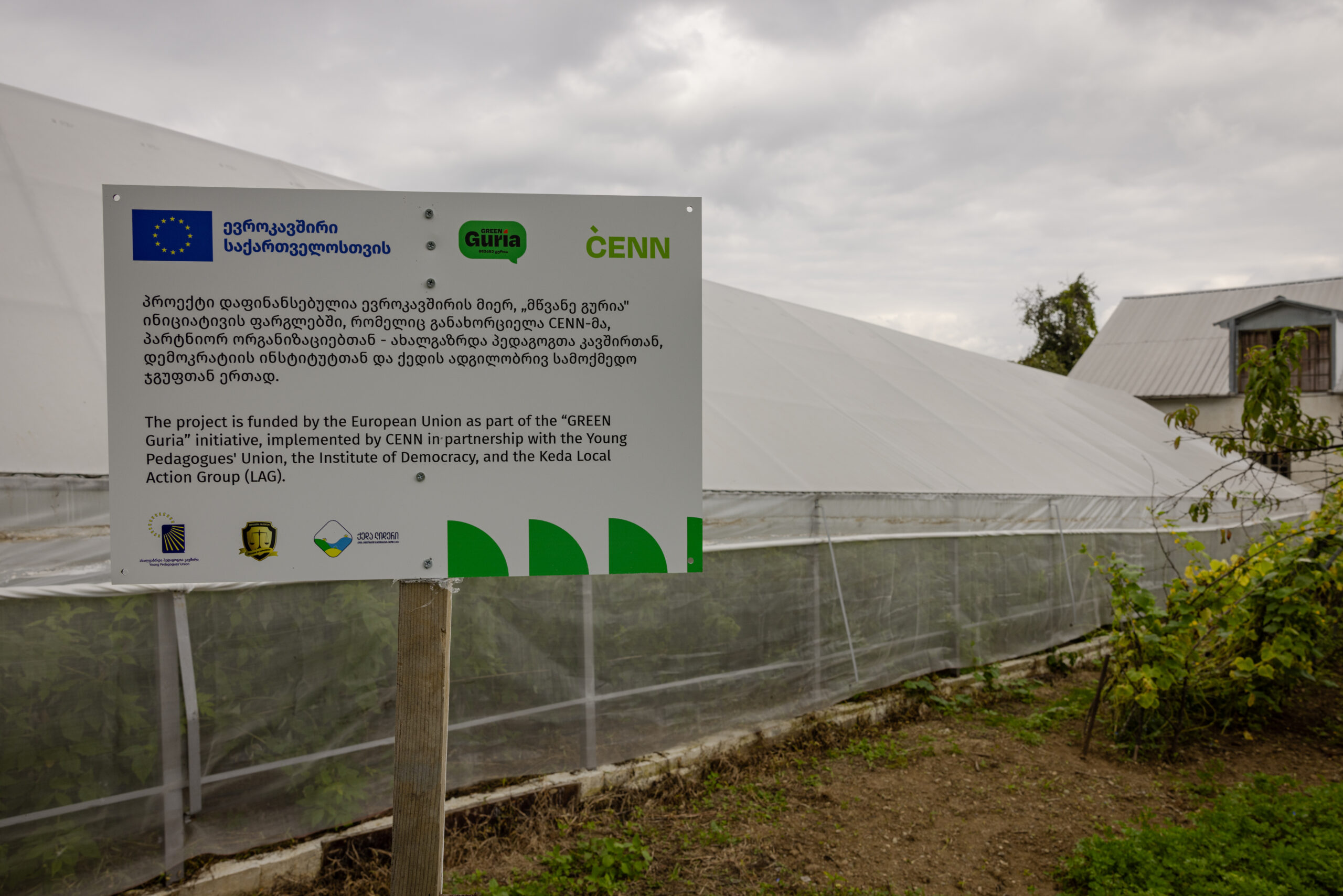
This article was produced with the support of the European Union. Its contents are the sole responsibility of CENN and do not necessarily reflect the views of the European Union.