Every year, nearly 1.3 billion tons of food—about a third of all we produce—ends up rotting in landfills, feeding no one but methane-producing bacteria. At the same time, mountains of single-use plastic packaging pile up, coffee grounds get tossed without a second thought, and perfectly edible “ugly” produce gets discarded—not because it’s bad, but because it doesn’t meet supermarket beauty standards.
This isn’t just inefficient. It’s insane—especially when reuse systems already exist to fix it.
But what if we stopped wasting and started reusing? What if food waste became fertilizer, glass bottles were refilled instead of trashed, and yesterday’s leftovers became tomorrow’s ingredients? That’s the power of circular systems—a smarter way to keep resources in use and out of landfills.
It’s already happening. From reusable packaging networks to upcycled food innovations, companies and consumers are proving that waste is a design flaw, not an inevitability.
Why the Food & Beverage Industry Needs a Circular Makeover
Our current food system is incredibly resource-intensive. It consumes vast amounts of water, energy, and land, only to see much of it end up in landfills, emitting harmful greenhouse gases as it decomposes. The circular economy offers a better way by focusing on three key principles:
- Reduce Waste – Changing how we grow, package, and consume food to prevent waste at every stage;
- Reuse & Repurpose – Finding innovative ways to give byproducts a second life;
- Regenerate Nature – Designing systems that restore ecosystems rather than deplete them.
No More Leftovers: Innovative Ways the Industry is Cutting Waste
Giving Byproducts a Second Life by Upcycling Food Waste
Instead of sending imperfect produce or manufacturing byproducts to landfills, innovative companies are transforming them into valuable new goods. Coffee grounds, often discarded after brewing, are now repurposed as mushroom-growing substrates or even skincare ingredients. Breweries are taking spent grain—a protein-rich byproduct of beer production—and turning it into nutritious flour for baking. Meanwhile, misshapen or “ugly” fruits and vegetables that don’t meet supermarket beauty standards are being rescued and turned into juices, snacks, and soups. Brands like Too Good To Go and Imperfect Foods have built entire business models around preventing edible food from going to waste, proving that sustainability can be both eco-friendly and profitable.
Moving Beyond Single-Use Plastics
The food and beverage industry is shifting away from polluting single-use plastics toward smarter, circular packaging solutions. Some companies are experimenting with edible packaging, like seaweed-based water pods that dissolve after use, eliminating waste entirely. Others are adopting compostable containers made from plant fibers, which break down naturally instead of lingering in landfills for centuries.
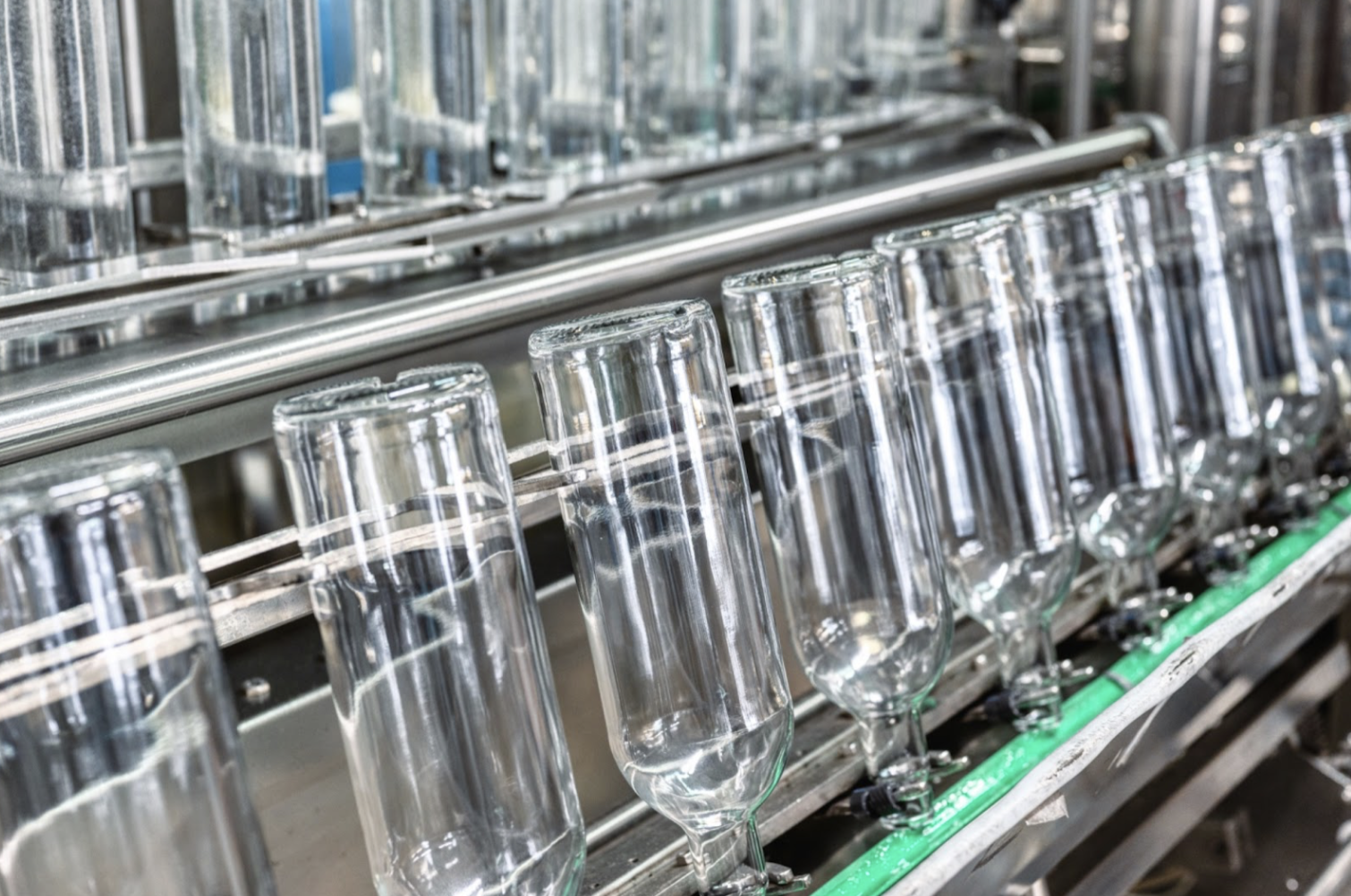
In still-developing circular economies, innovative companies like Georgia’s Campa are leading the charge. A beverage manufacturer specializing in high-quality juices and nectars, Campa has spent 16 years perfecting its products before evolving its production strategy to minimize waste. Partnering with CENN, they developed a system to reuse glass bottles and cardboard packaging, reducing both production costs and environmental impact.
Closed-Loop Production
Forward-thinking producers are redesigning their operations so that nothing goes to waste—instead, byproducts from one process become inputs for another. Breweries, for example, are treating wastewater to grow algae, which can then be converted into biofuels. Dairy farms are capturing methane from manure and turning it into renewable biogas for energy. These closed-loop systems not only reduce environmental harm but also cut costs, proving that sustainability and efficiency can go hand in hand.
What You Can Do
Businesses aren’t the only ones who can drive change— Alongside government and NGO support, consumers play a huge role too! Here’s how you can support the circular economy:
- Buy “ugly” produce – They taste the same and help reduce waste;
- Compost food scraps – Even apartment dwellers can use small compost bins or drop-off programs;
- Choose reusable or compostable packaging – Bring your own containers to bulk stores;
- Support circular brands – Look for companies committed to zero-waste practices.
The Future Is Circular
The food and beverage industry has a massive environmental footprint, but the circular economy offers a path forward—one where waste is minimized, resources are valued, and nature thrives. By changing how we produce, consume, and dispose of food, we can create a system that’s not just sustainable, but regenerative.
So the next time you sip a coffee made from upcycled ingredients or toss your food scraps into a compost bin, remember: You’re not just reducing waste—you’re helping build a smarter, cleaner food system for the future.