Strengthening local entrepreneurial activity in the Guria region is one of the primary goals of the “Green Guria” project. With European Union support, businesses have been established and developed that revive traditional crafts such as pottery, horseback riding, and decorative gardening – while simultaneously creating products and services that meet modern standards. These initiatives clearly demonstrate the importance of strategic investment and re-equipping to properly utilize and develop local potential.
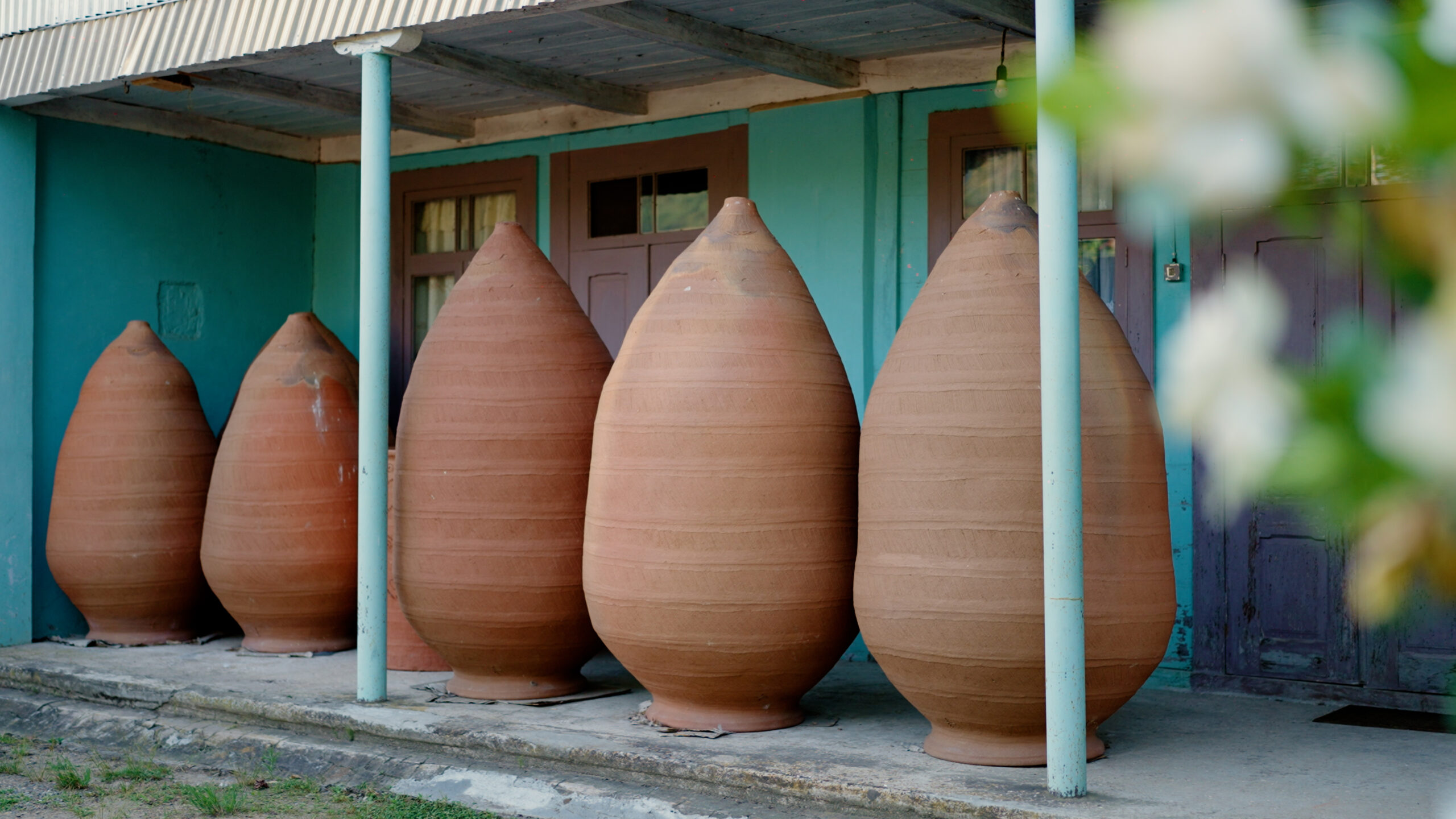
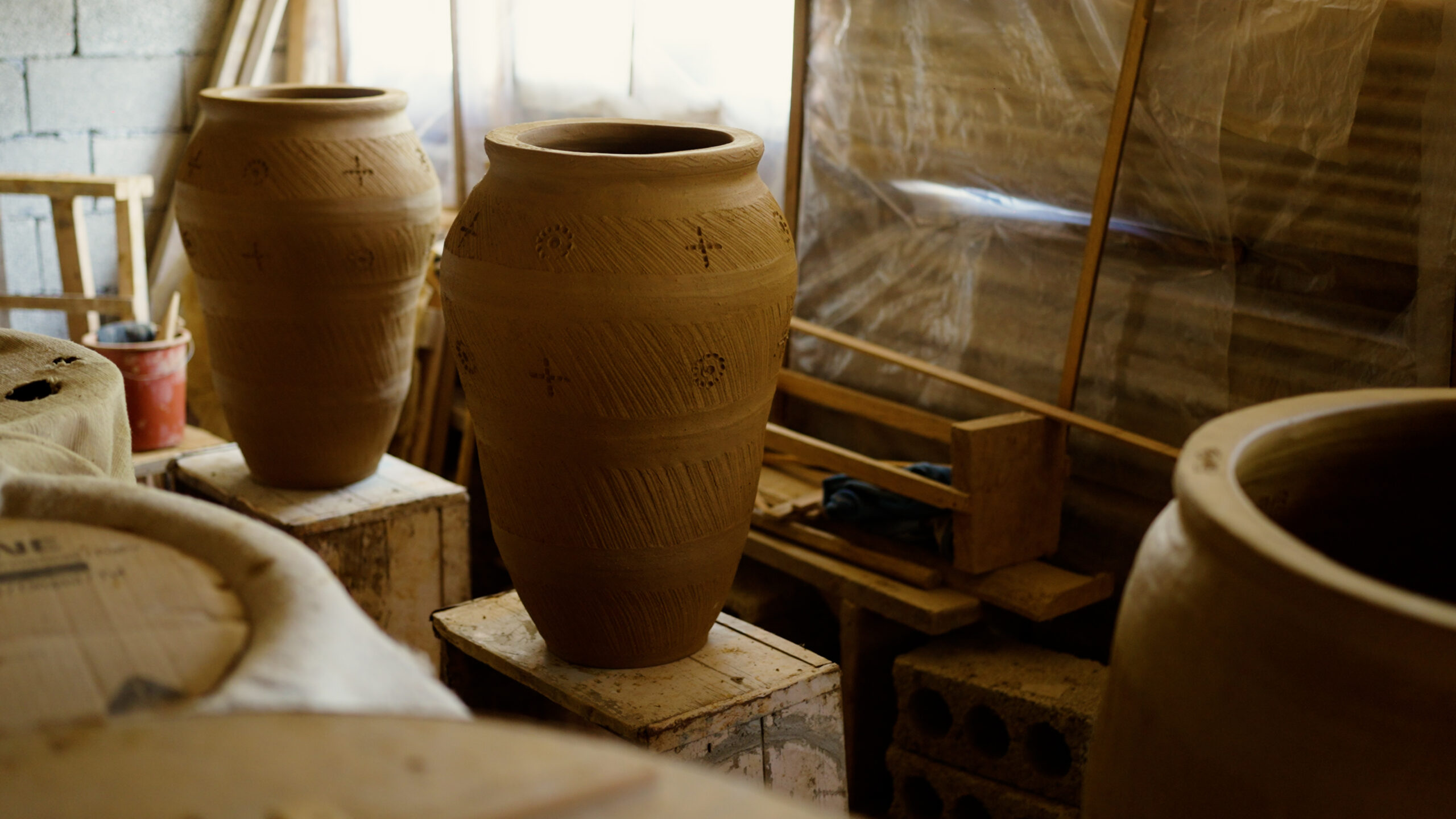
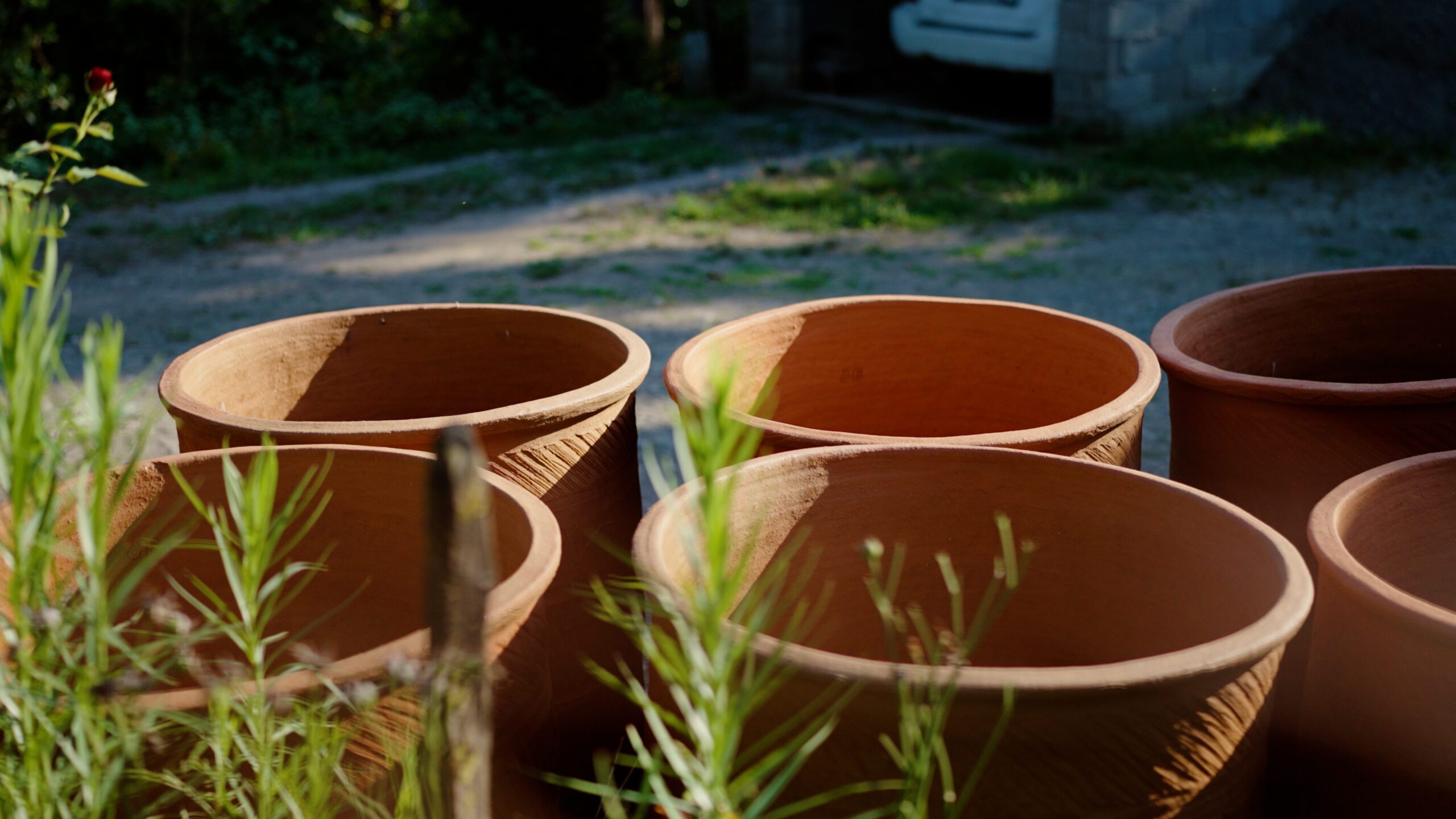
In the village of Atsana, Bichiko Chkhaidze has been continuing his century-old family pottery tradition for 20 years. Within the framework of the project, his workshop was equipped with new machinery, which simplified the production process and increased the capacity to create high-quality products. Additionally, the workshop offers masterclasses to interested individuals, promoting the craft among the new generation and allowing visitors to experience Guria’s culture firsthand.
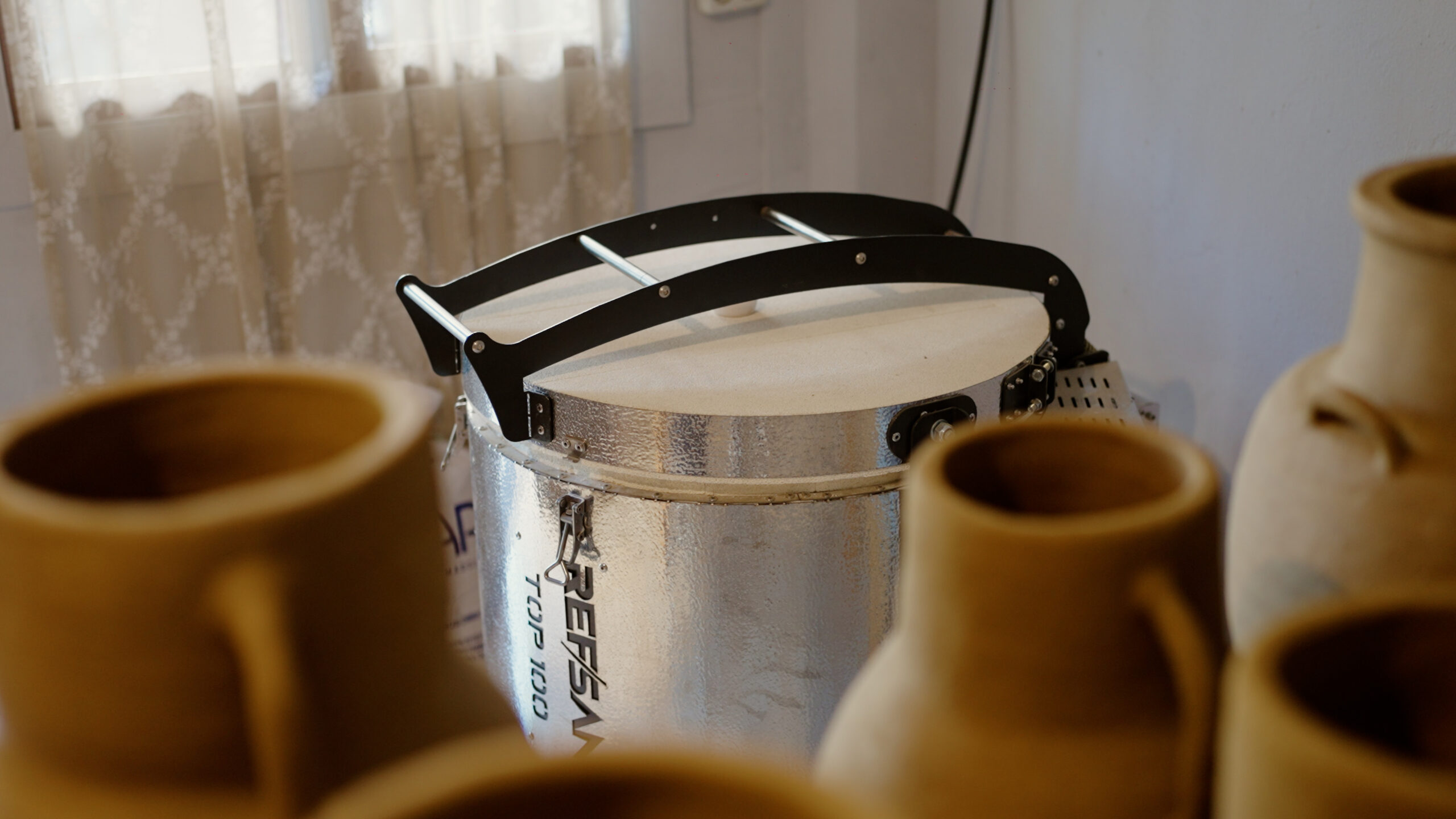
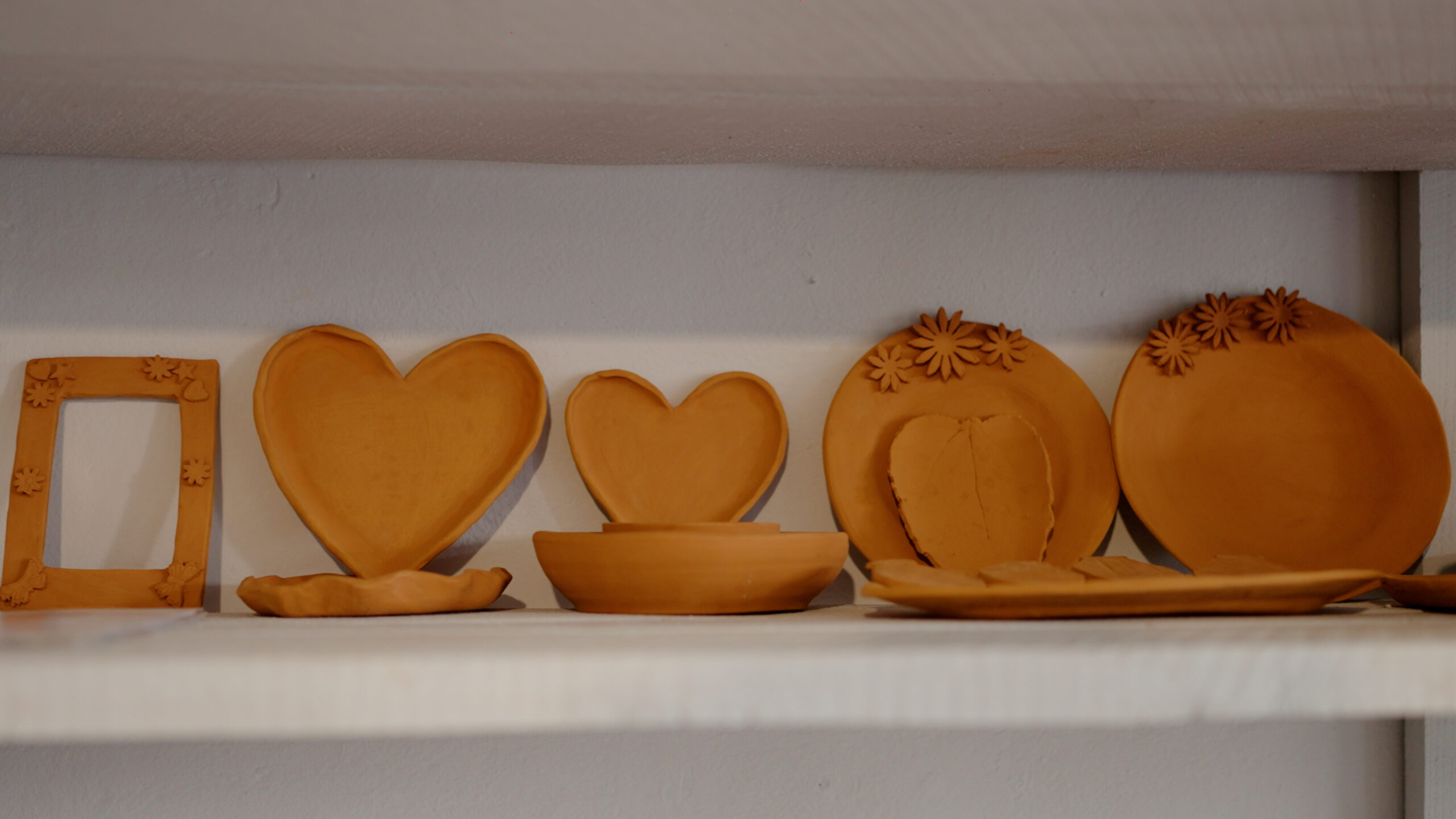
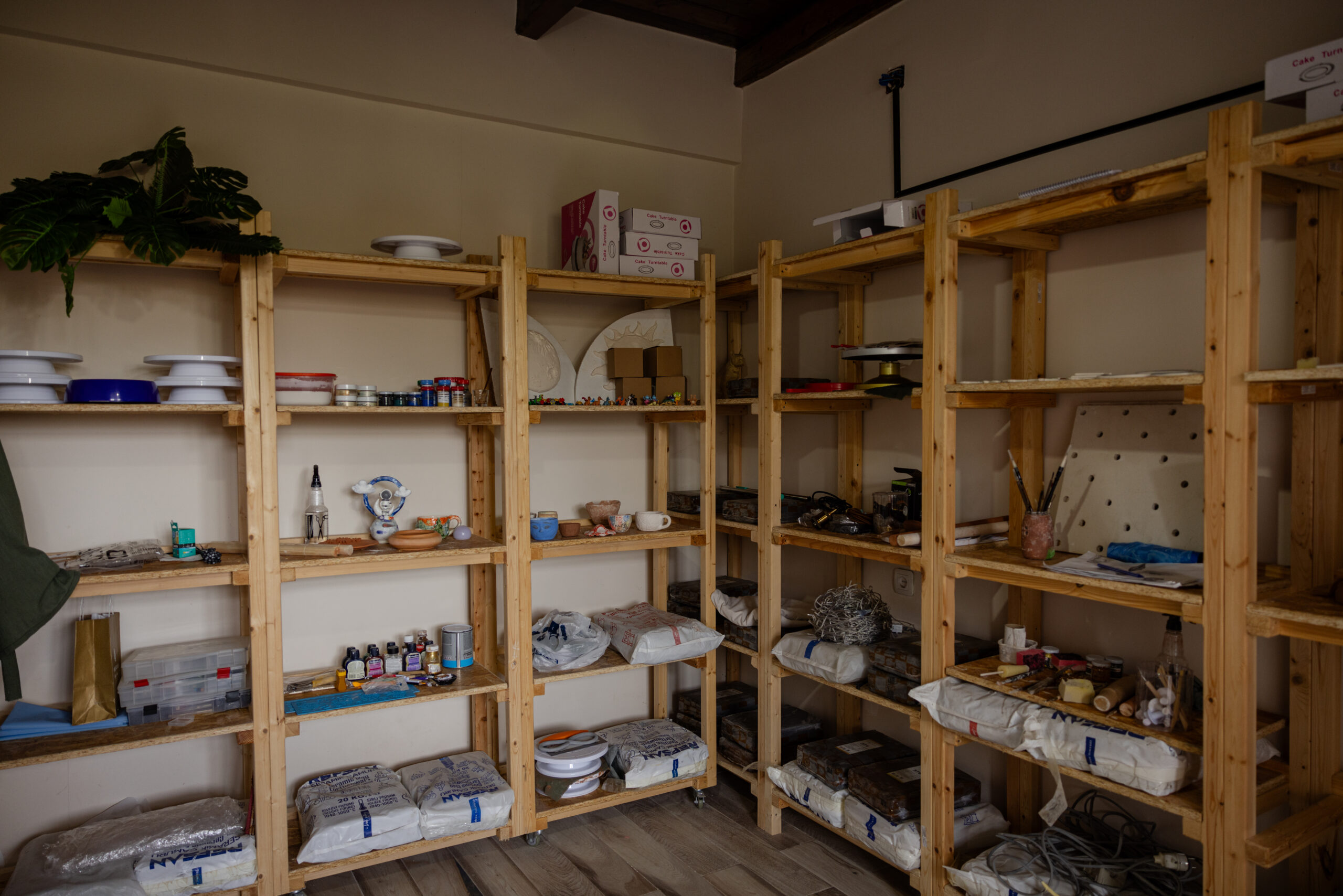
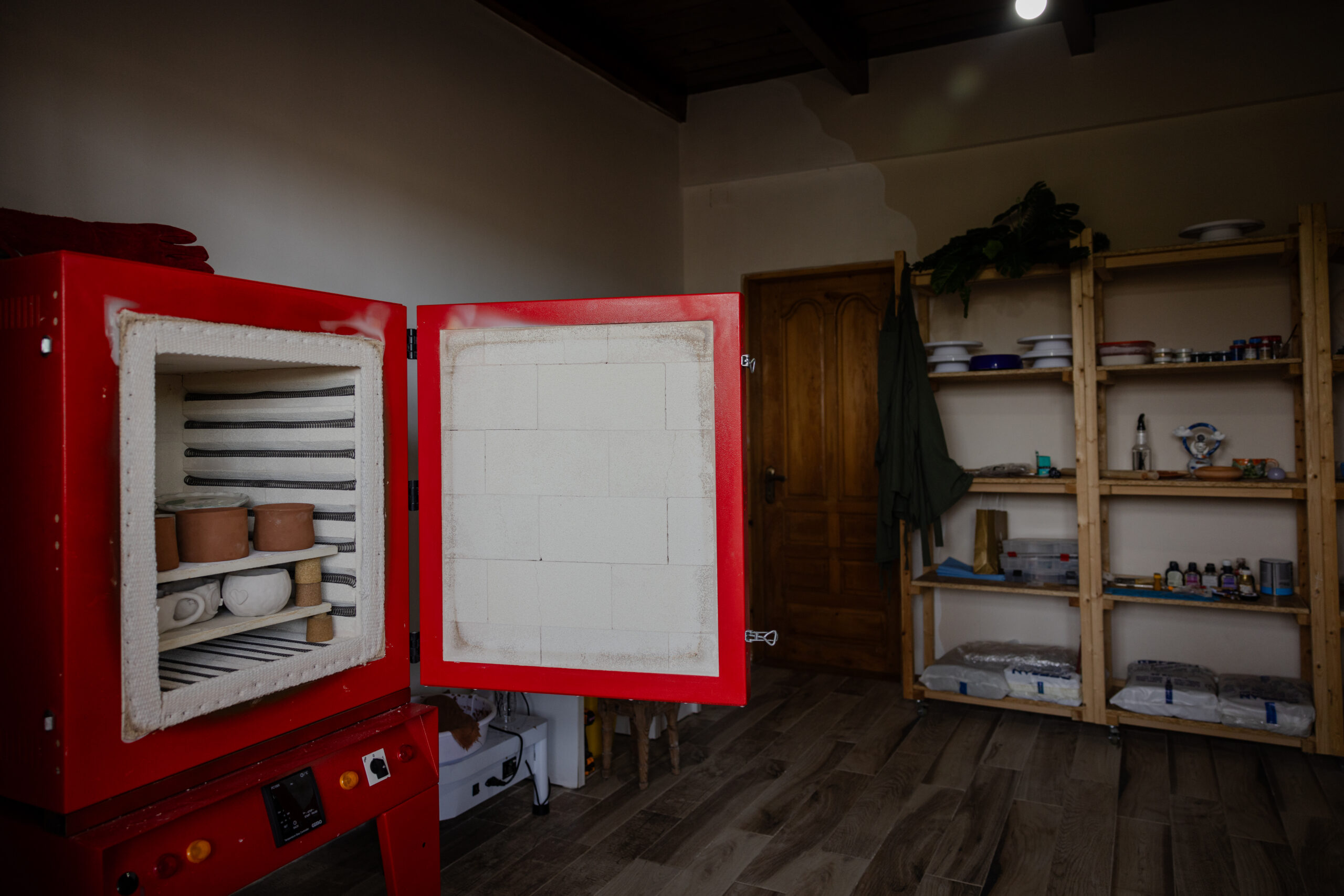
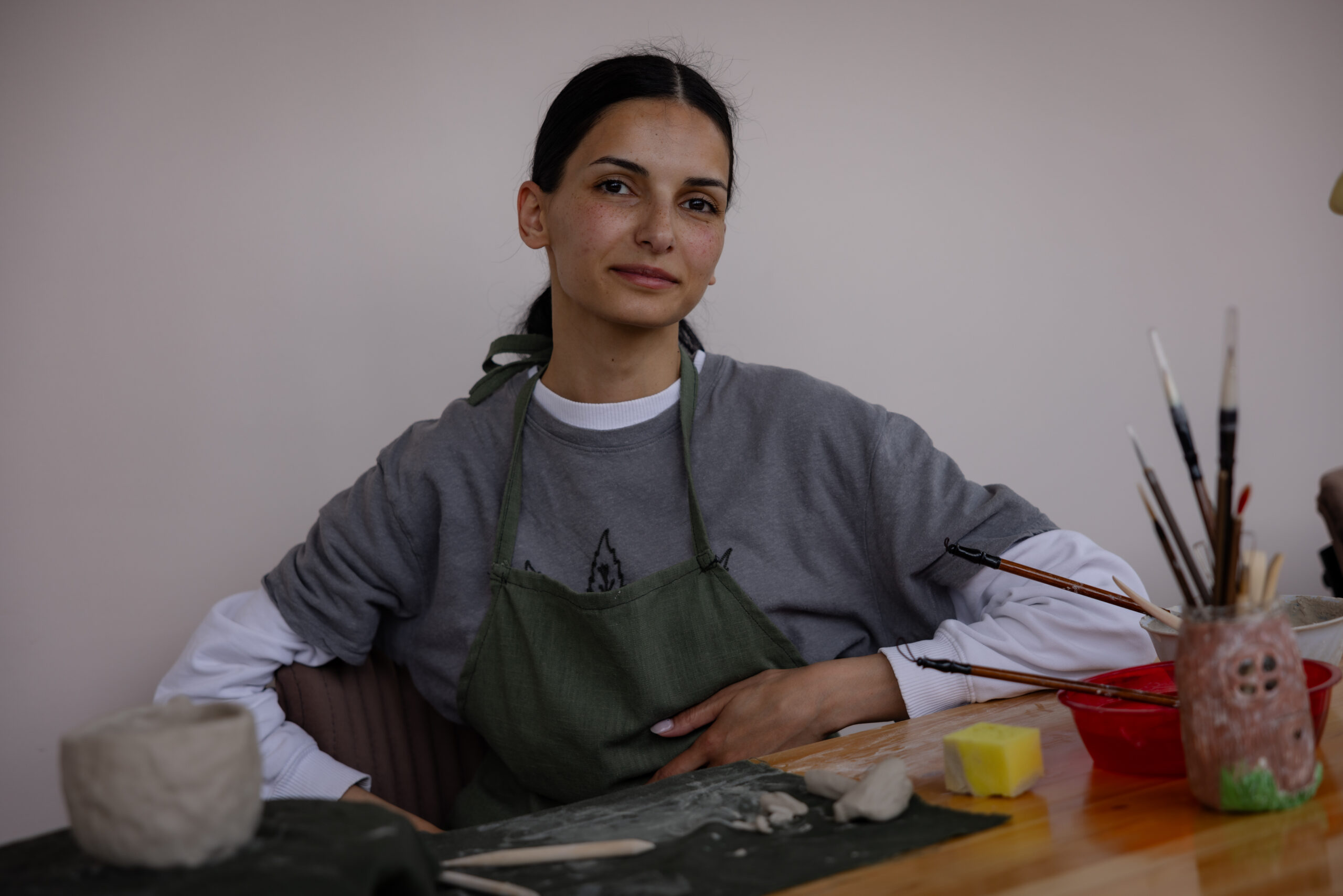
In the village of Gvimbalauri, with EU support, Mariam Phiphia transformed her residential home into a ceramics studio and production space. The facility was equipped with all necessary machinery, and specialized display stands were created for distributing products to stores. Beyond crafting tableware, decorations, and souvenirs, the studio hosts art therapy sessions and masterclasses. Mariam’s studio has become another hub for continuing Lanchkhuti’s traditional pottery, increasing interest from both locals and tourists.
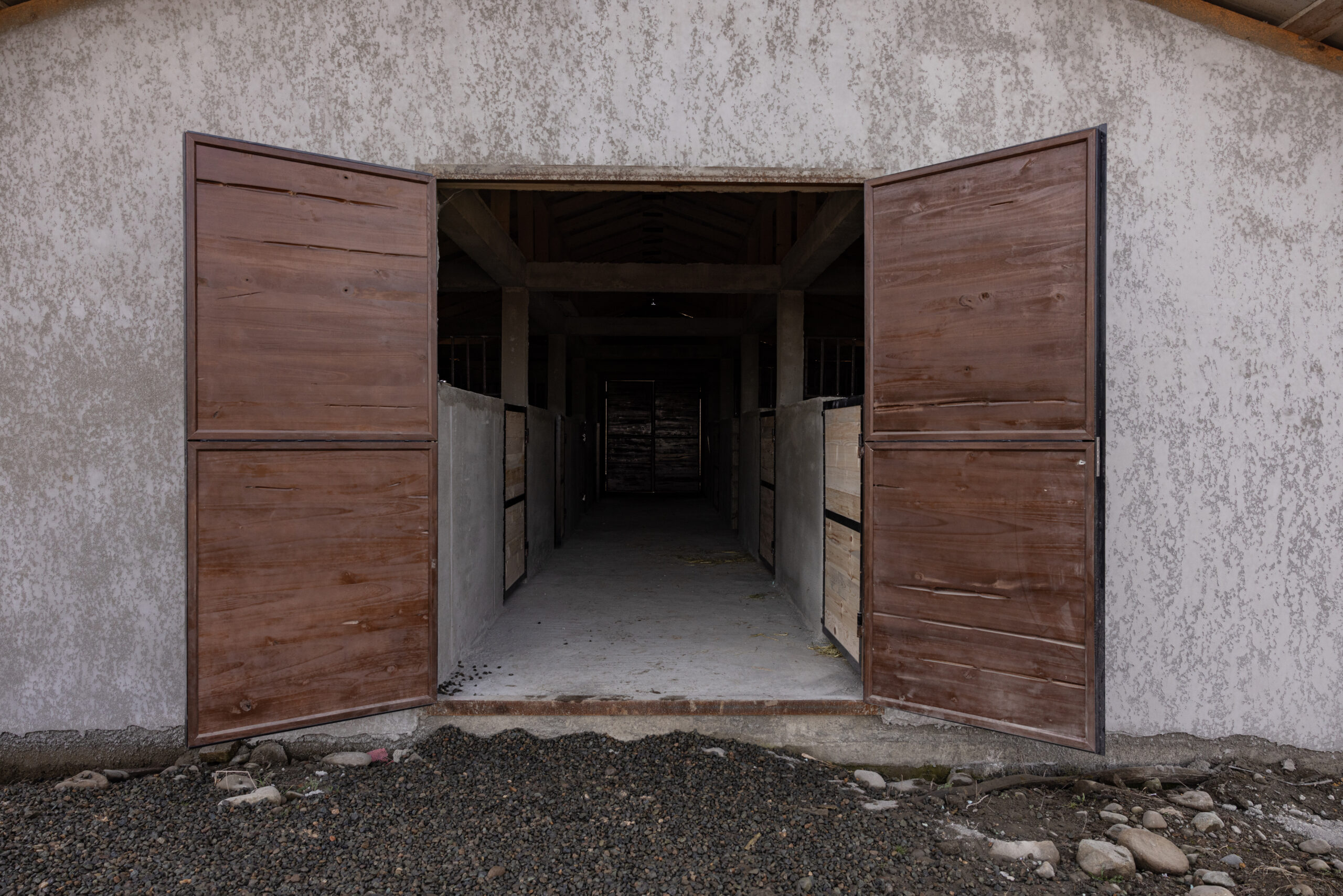
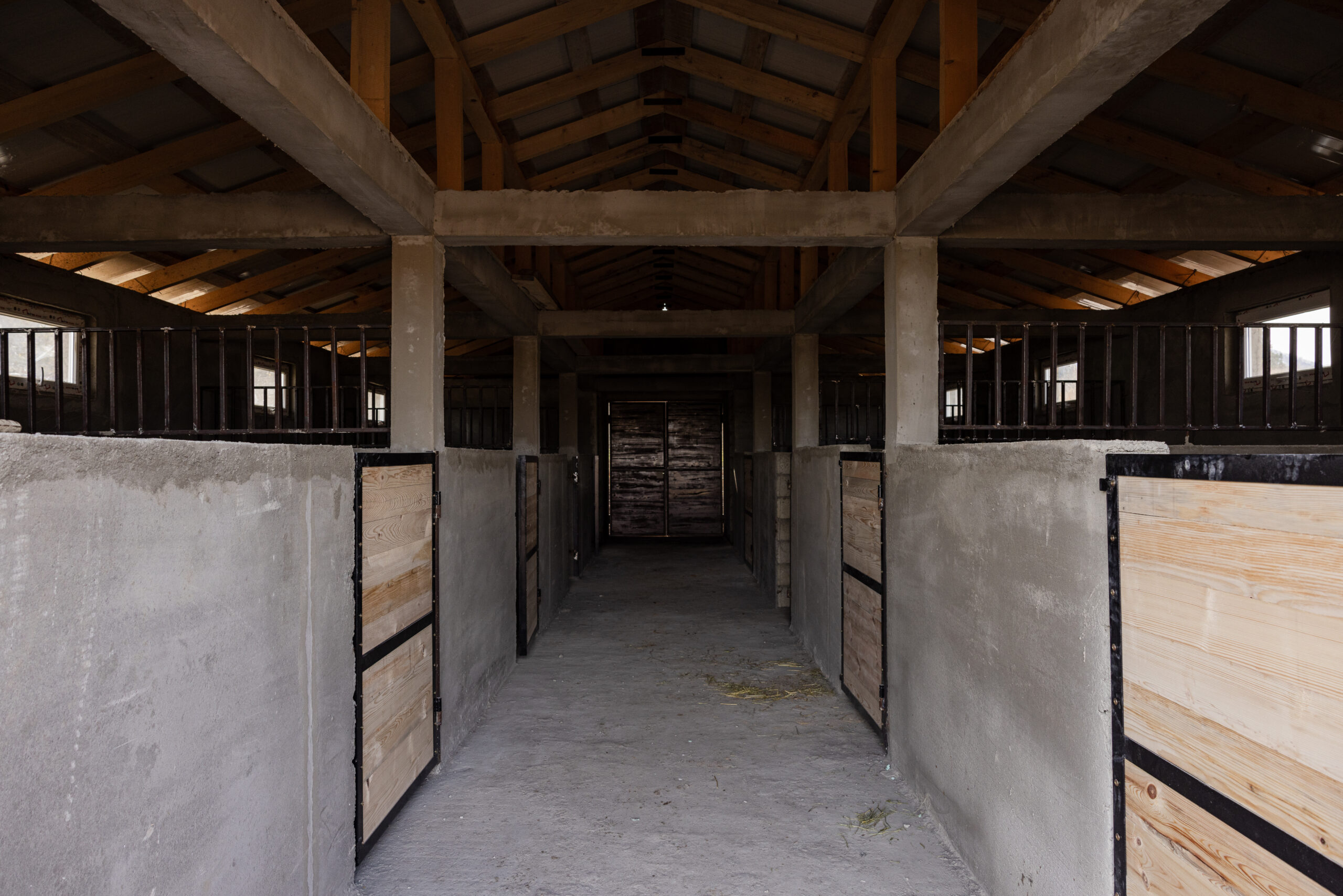
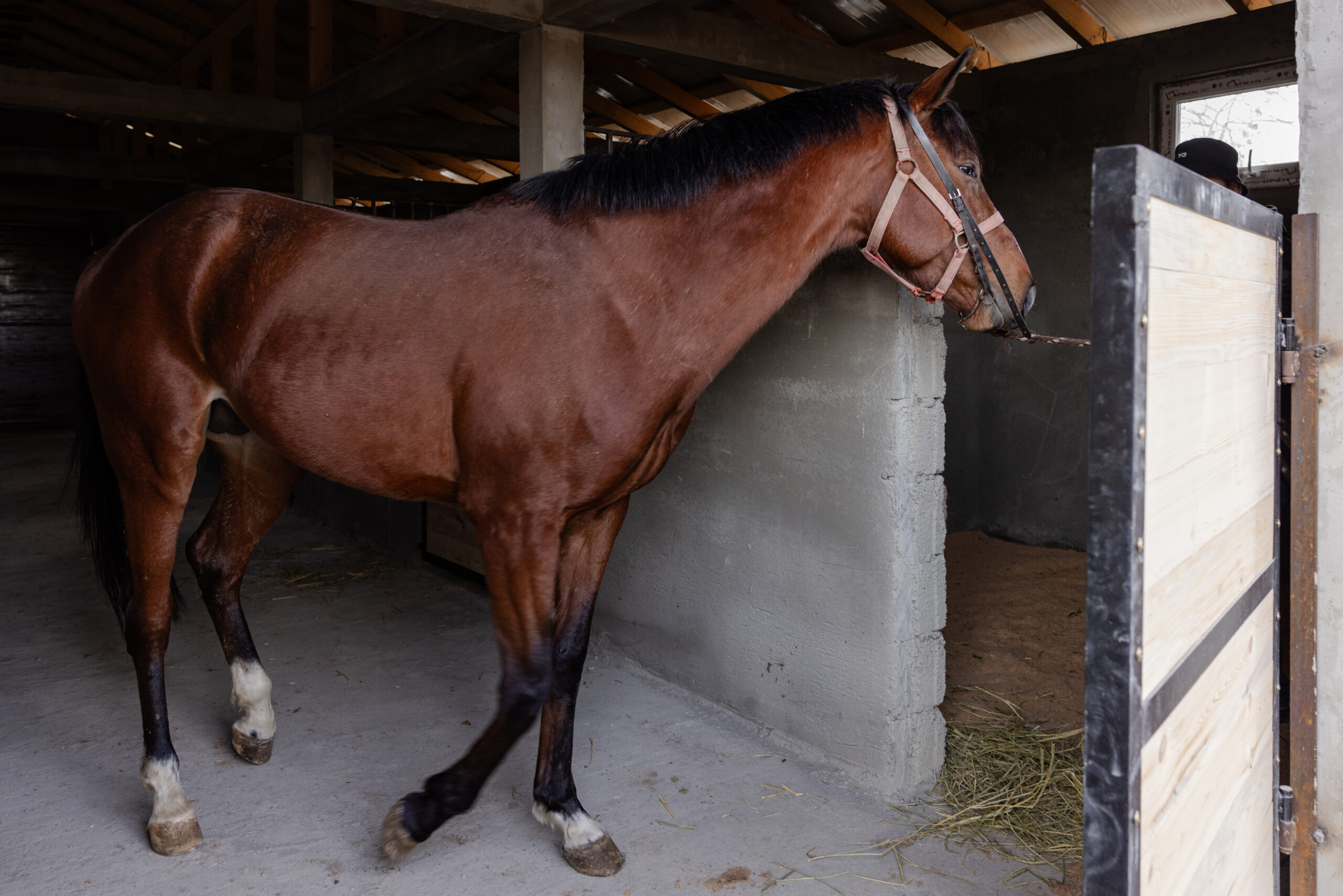
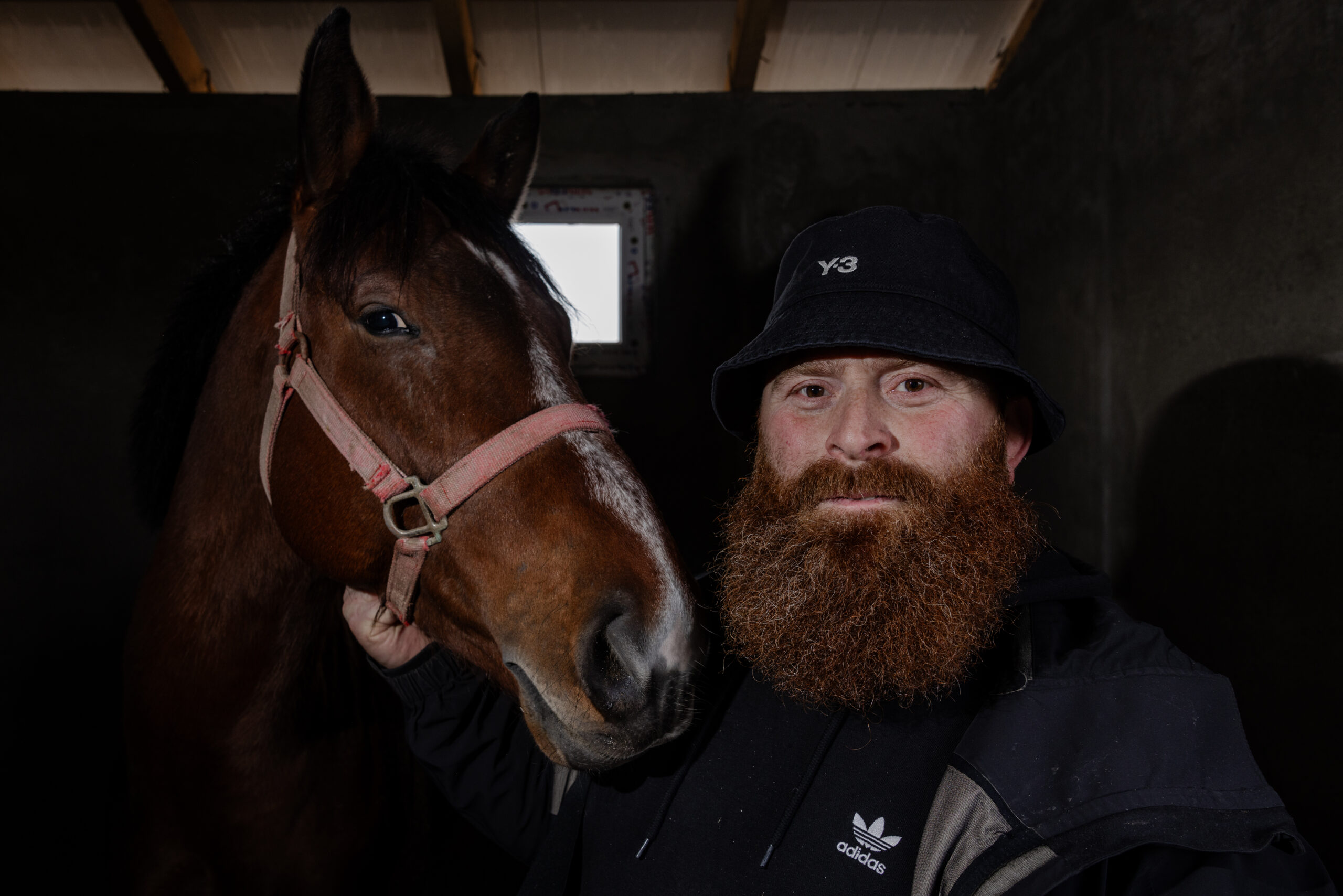
A prominent example of expanding services is Giorgi Siradze’s equestrian center, “Mokneuli Qabalakhebi,” in the village of Makvaneti. The project transformed the tradition of horseback riding into a multi-profile business, encompassing sports, tourism, and medical-therapeutic directions. In a space meeting modern standards, experienced instructors teach riding to visitors, while the center’s indoor arena is specifically designated for rehabilitative equine-assisted therapy for children with special needs. The existence of such diverse and unique services is vital for the region’s economic stability and for addressing the needs of the local population.
To overcome the shortage in the flower market, Medea Jincharadze established an alstroemeria greenhouse in Ozurgeti. With project support, a 313-square-meter greenhouse was built and equipped with an irrigation system. The greenhouse cultivates nine varieties of alstroemeria, where a single plant yields 40 flowers annually. The implementation of modern technology has increased both yield and quality, while also creating the capacity for long-term storage of the products.
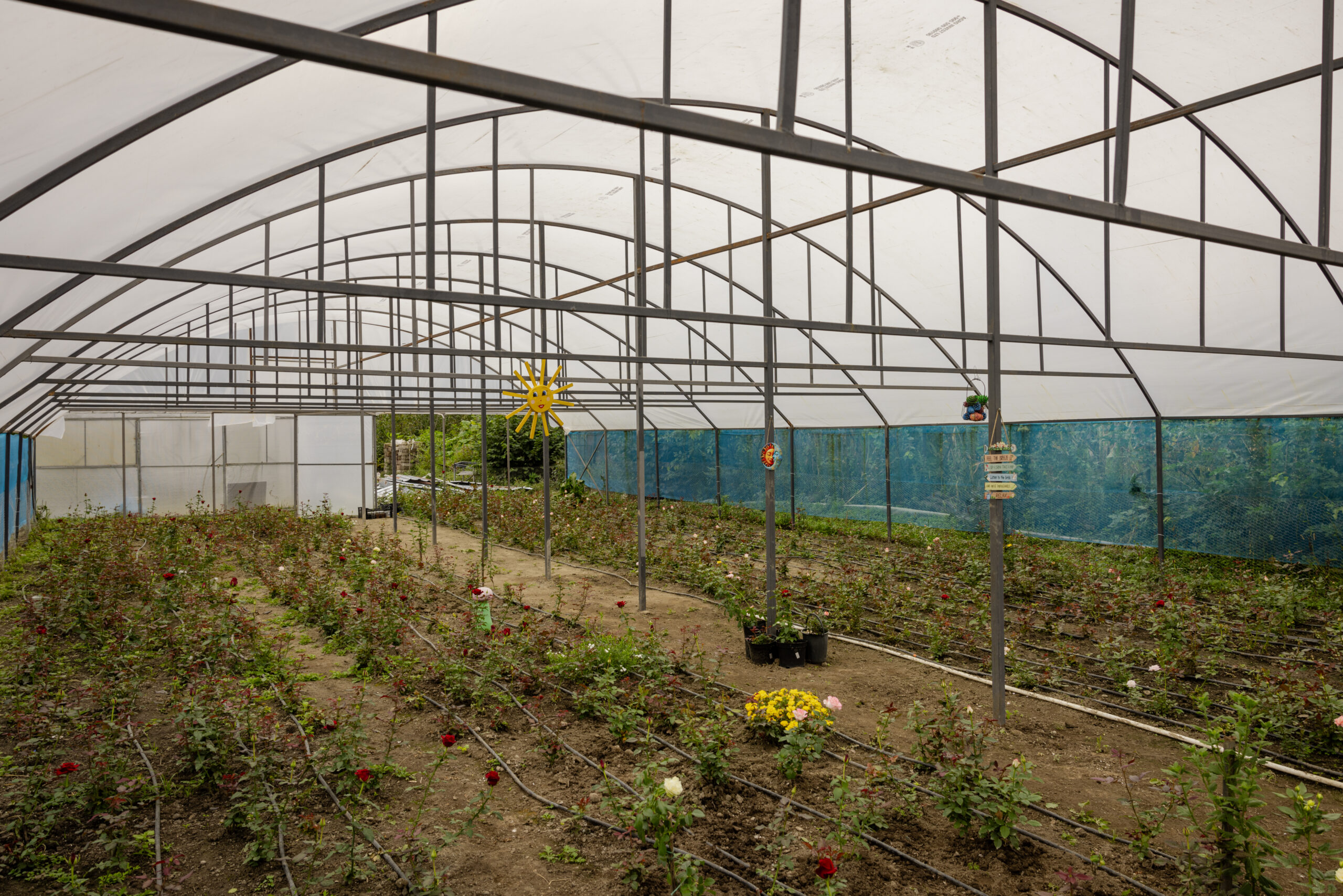
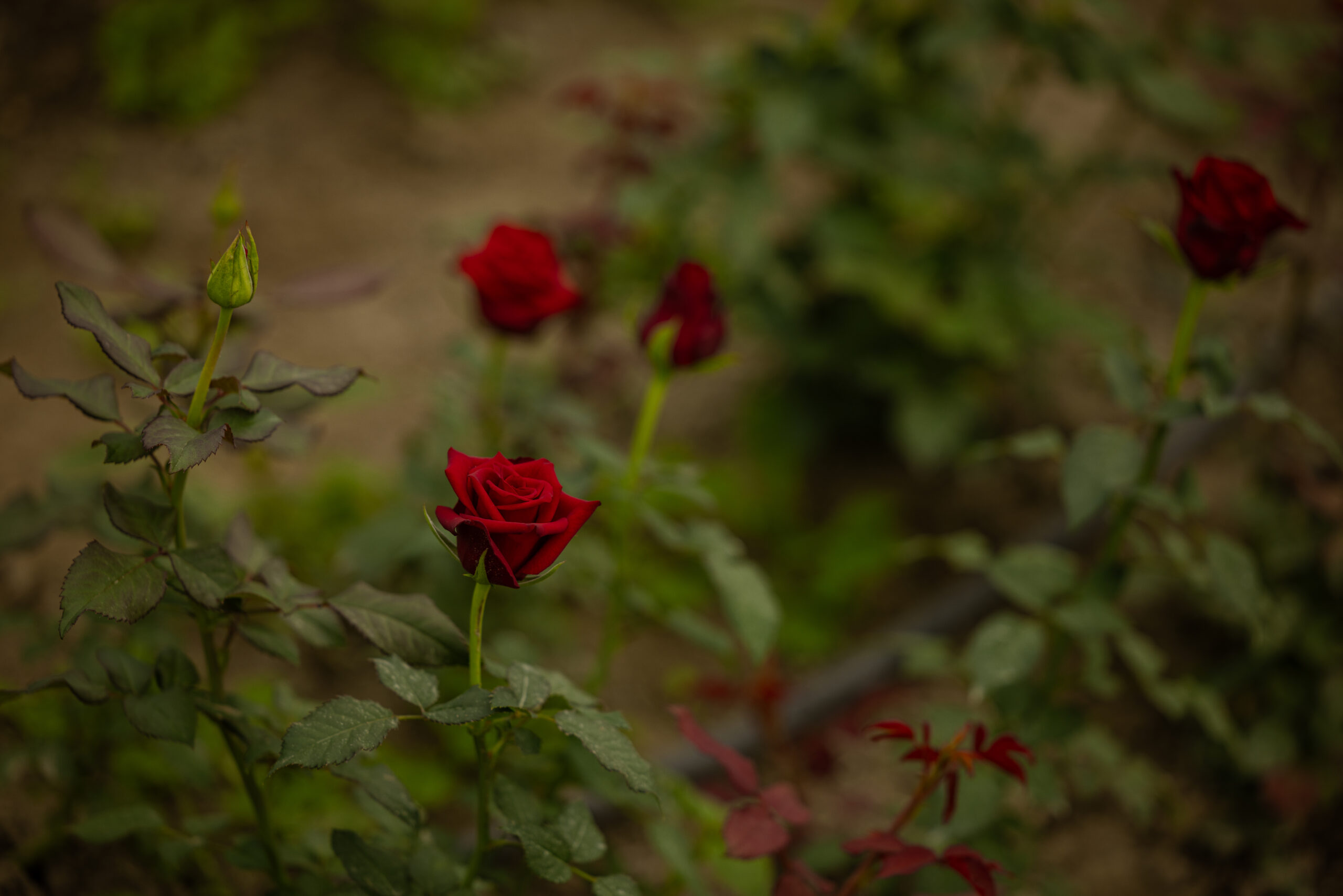
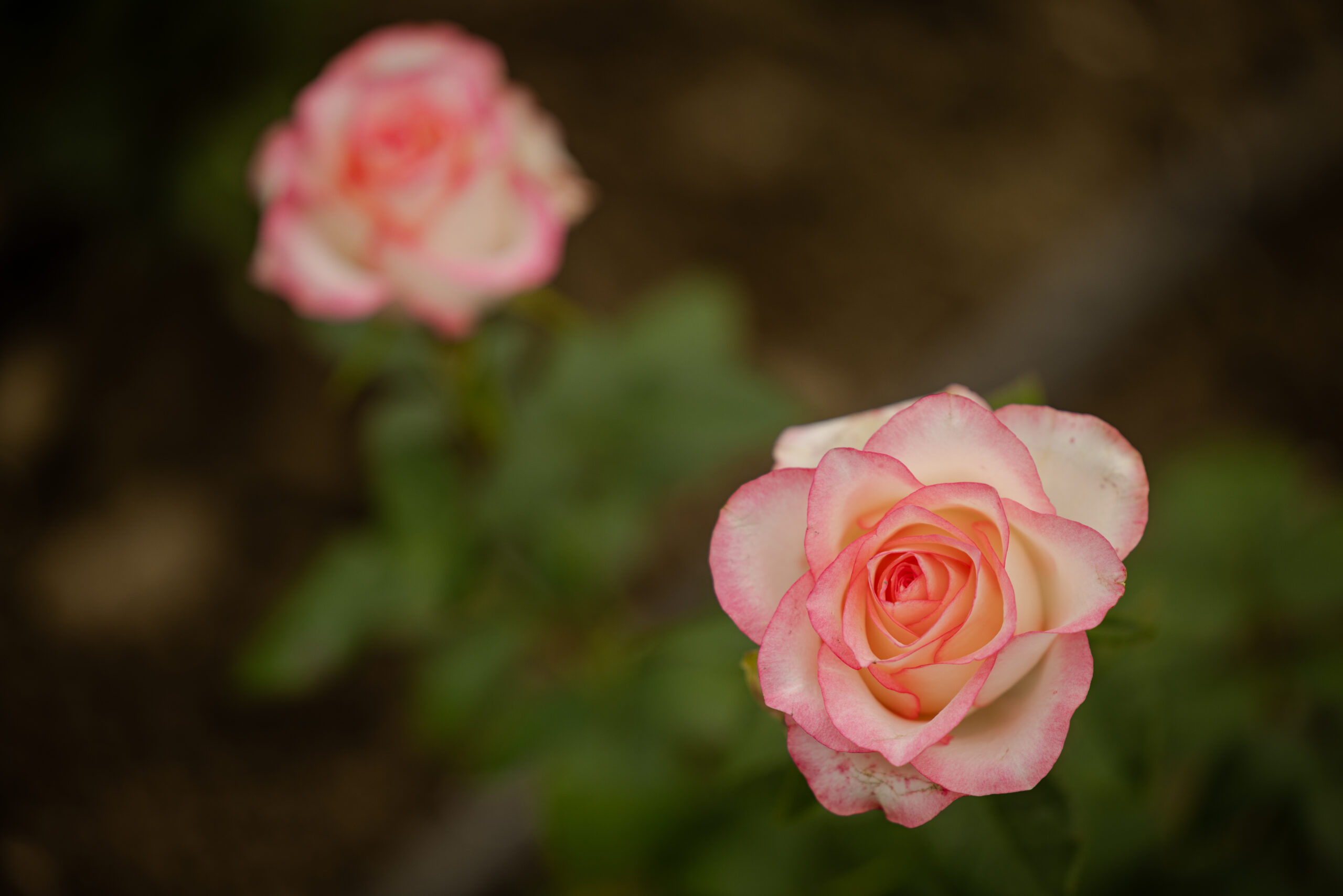
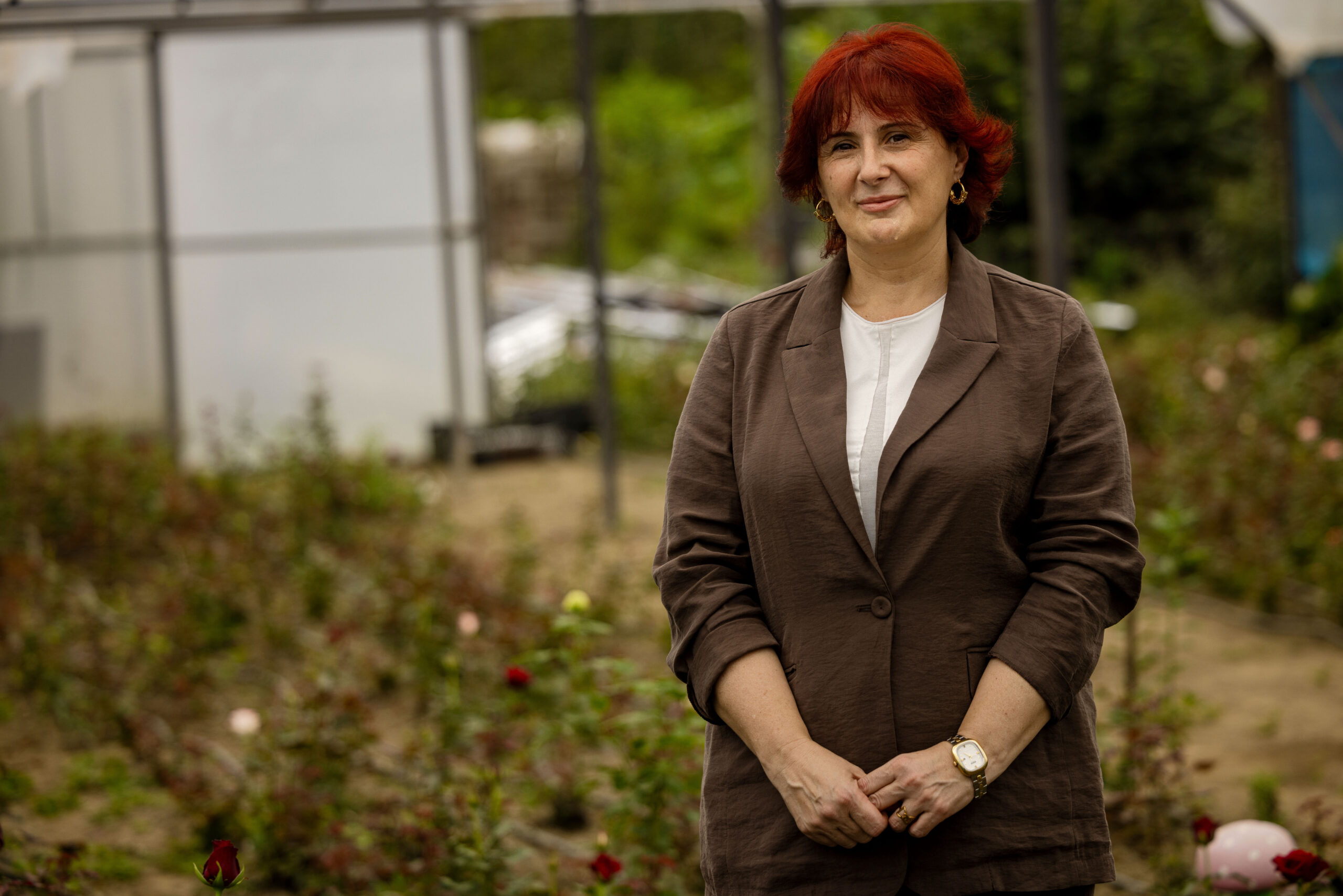
Another greenhouse was established in Ozurgeti with EU support – Nona Todria built a modern rose greenhouse in the village of Dvabzu. On 300 square meters, 1,500 collectible rose plants are cultivated, allowing for year-round production. Thanks to this initiative, the region gained access to high-quality, local products, reducing dependence on flowers imported from other countries.
These projects, implemented with the support of the European Union and CENN, demonstrate that Guria’s business environment is constantly evolving. The introduction of new standards and the wise use of local resources allow entrepreneurs to expand their activities, create jobs, and contribute to the overall prosperity of the region.
This article was produced with the support of the European Union. Its contents are the sole responsibility of CENN and do not necessarily reflect the views of the European Union.