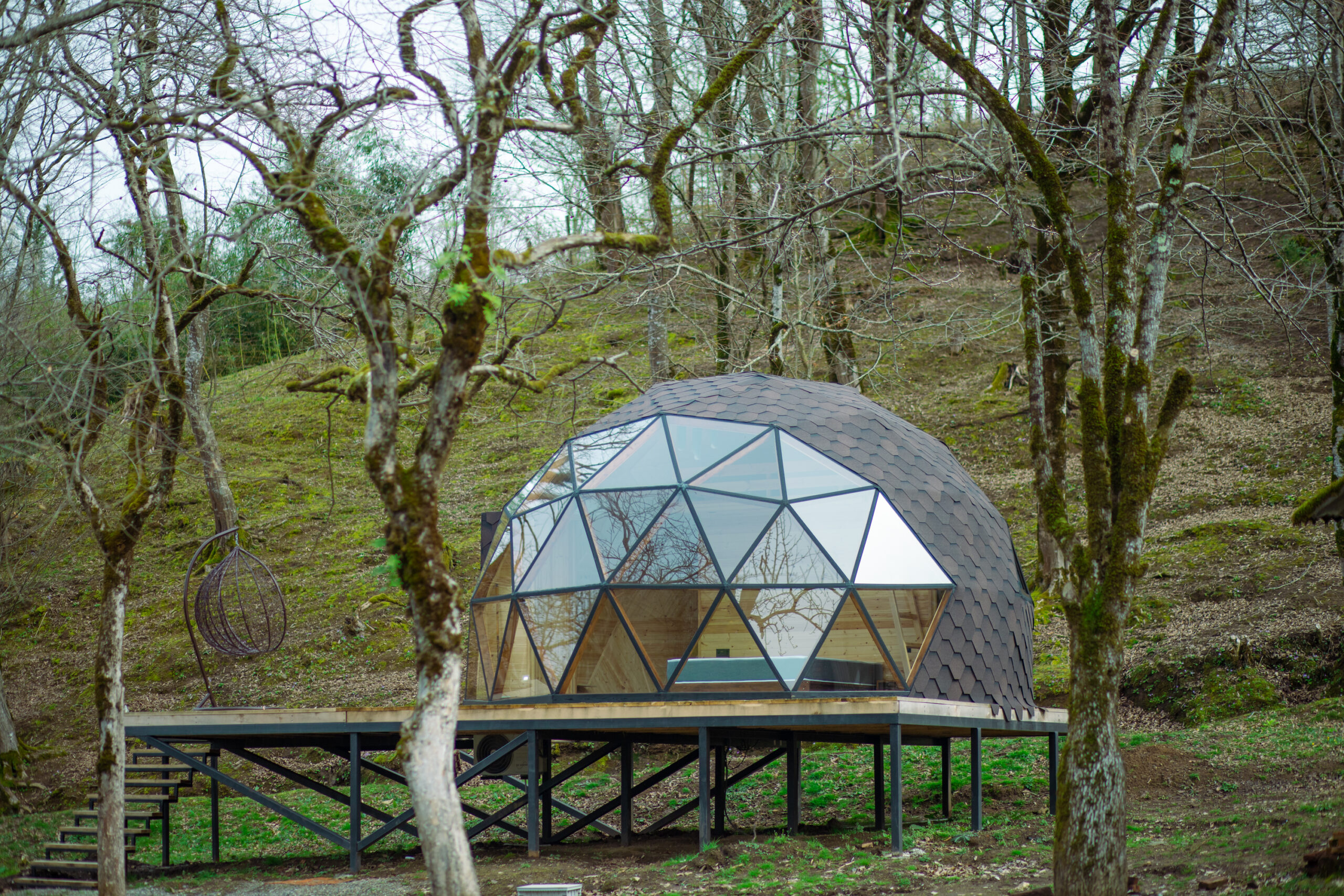
The Guria region, with its untouched nature and a unique blend of mountain and sea air, is becoming increasingly attractive for those seeking relaxation in the heart of nature, far from urban noise. Within the framework of the “Green Guria” project, supported by the European Union and CENN, the region’s tourism potential has been significantly strengthened. Local initiatives, based on European experience and environmental responsibility, have paved the way for high-standard recreational spaces where harmonious coexistence with nature is the top priority.
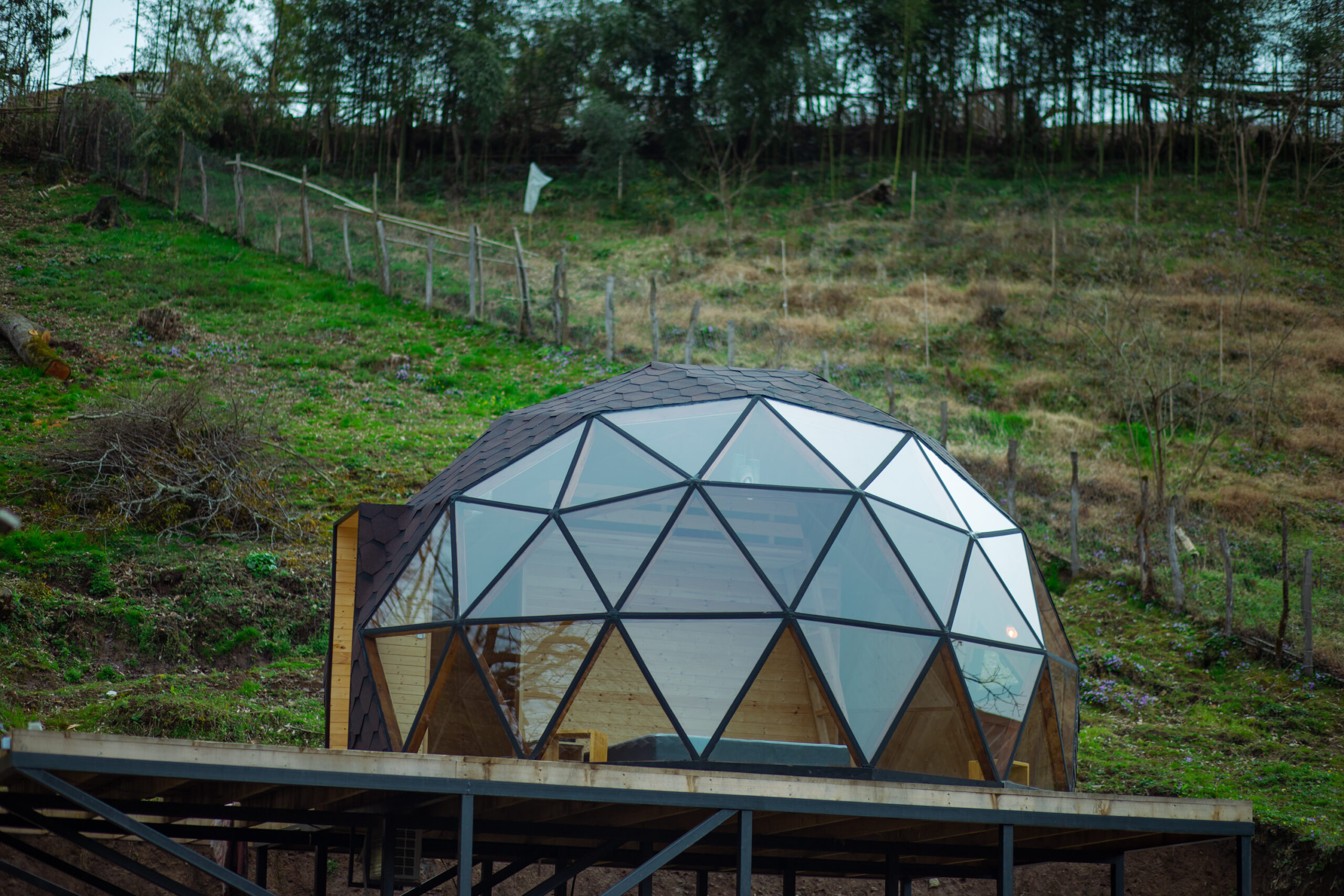
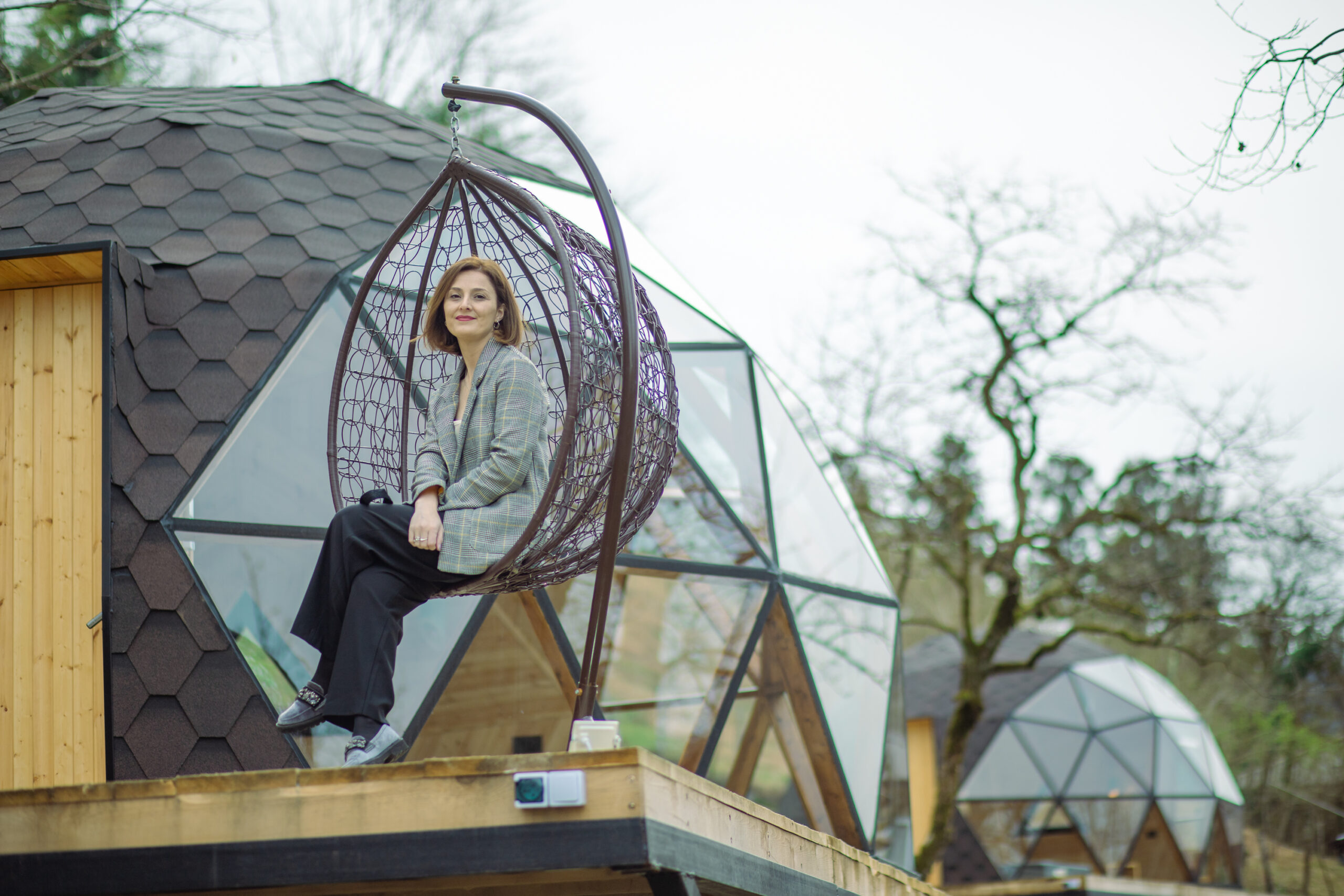
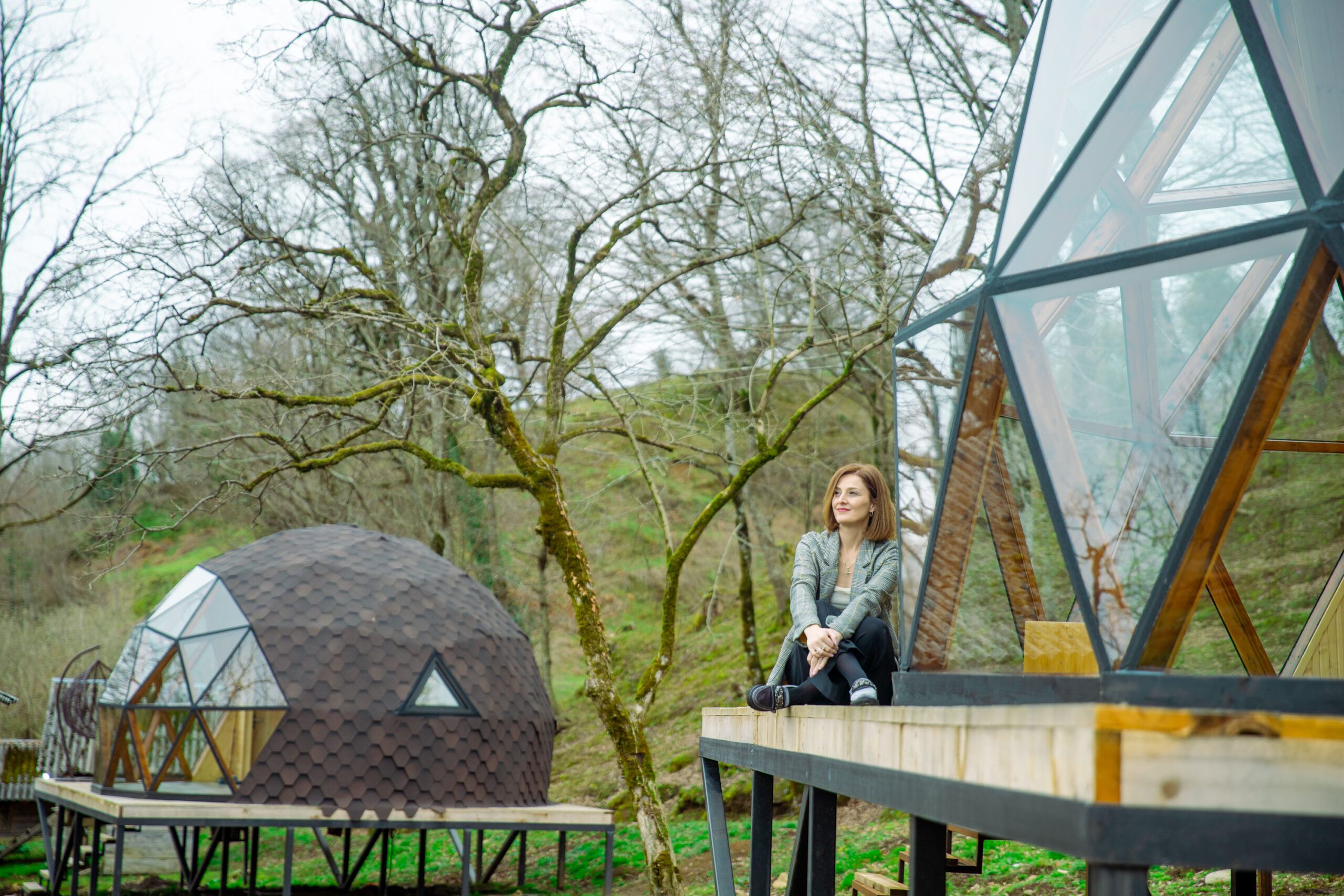
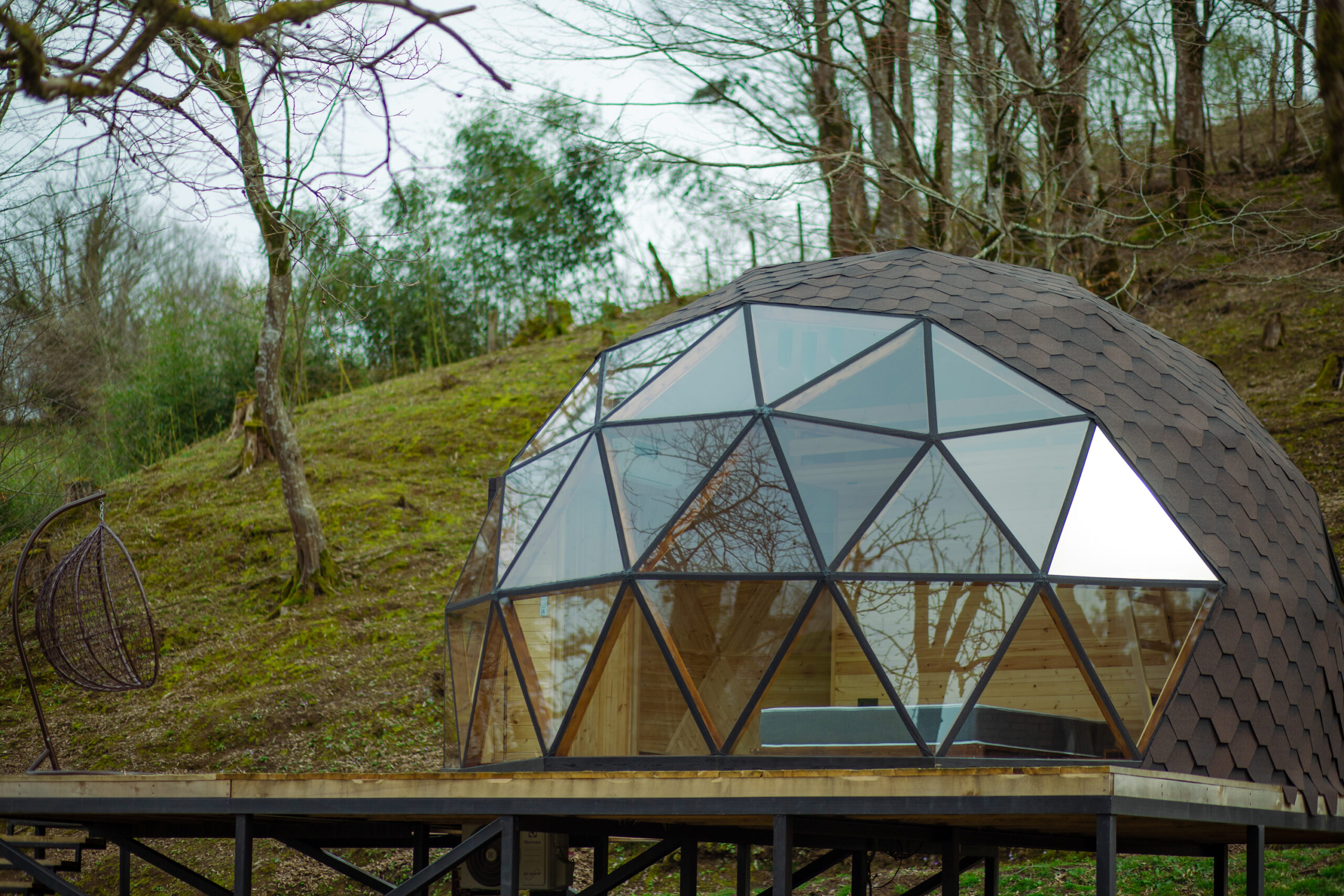
Responding to modern eco-tourism trends, Ketevan Tsilosani’s project in the village of Junmere, Lanchkhuti municipality, stands out. “Glamping Junmere” is a multifunctional space created with EU funding, featuring two eco-friendly glamping domes. Each dome is equipped with a private Finnish hot tub and a terrace, while the interior incorporates traditional local details, creating a unique experience of comfort in close proximity to nature. This innovative leisure space also includes a camping zone and picnic areas, contributing to the promotion of Guria’s brand and increasing economic activity in the region.
In the village of Erketi, Chokhatauri municipality, “Kobidze’s Cellar and Cottages” serve as a prime example of sustainable agro-tourism. To address infrastructure challenges in Chokhatauri, and with the support of the “Green Guria” project, David Kobidze built two eco-friendly cottages, each designed for four people, hosting approximately 800-900 visitors annually. The space is equipped with a kitchen meeting HACCP standards, serving healthy meals prepared from local products. Guests also have the opportunity to participate in honey extraction, the grape harvest, or the traditional making of Churchkhela, adding a special layer of authenticity to the experience.
A distinguished example of sustainable development and social responsibility is Natia Trapaidze’s “Cottage by the Lake,” located in the village of Likhauri, Ozurgeti municipality. Built with EU support, the facility is constructed entirely from energy-efficient materials, and its outdoor lighting system is solar-powered. One of the project’s most significant achievements is its full accessibility for people with disabilities, establishing a much-needed standard for inclusive eco-tourism in the region.
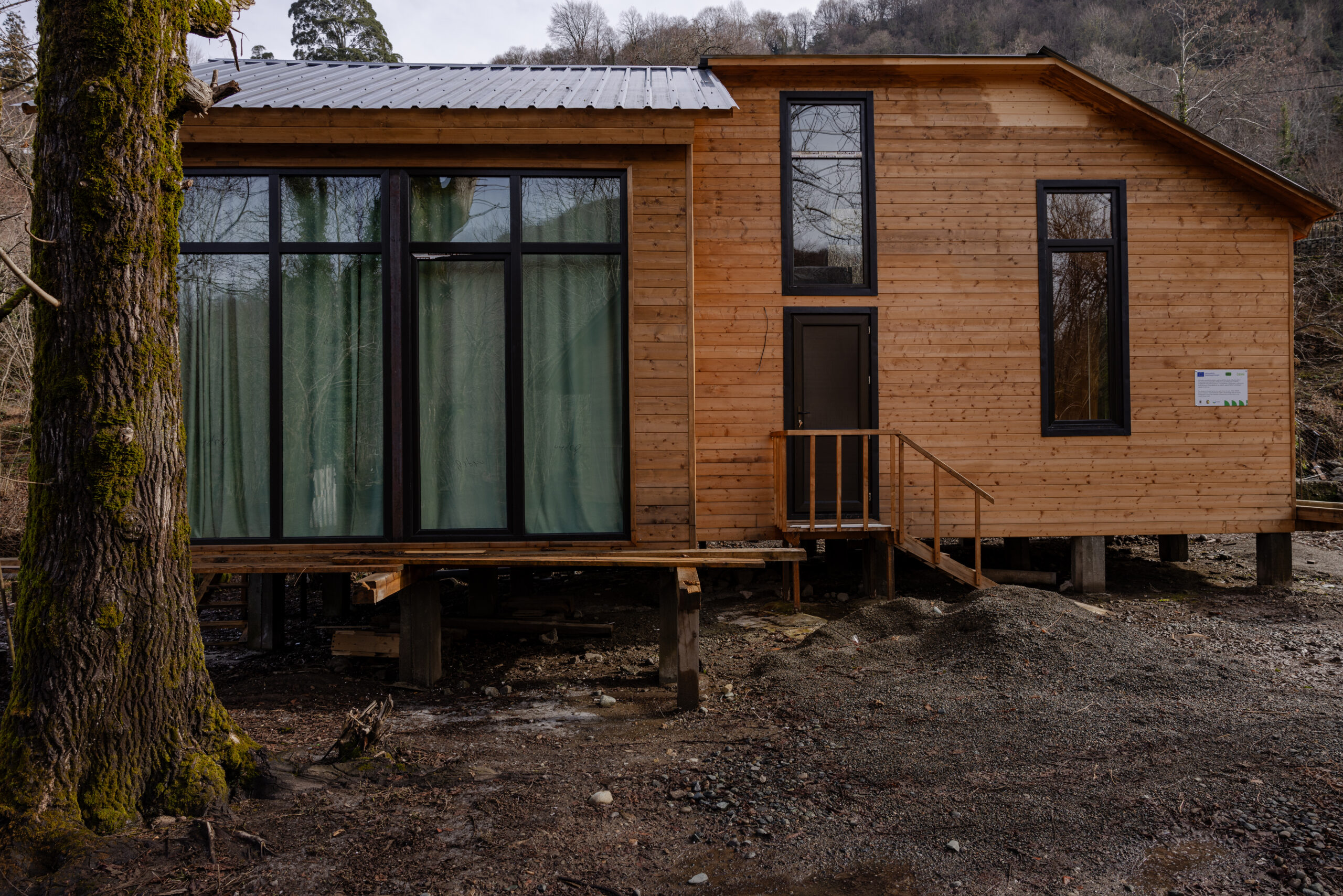
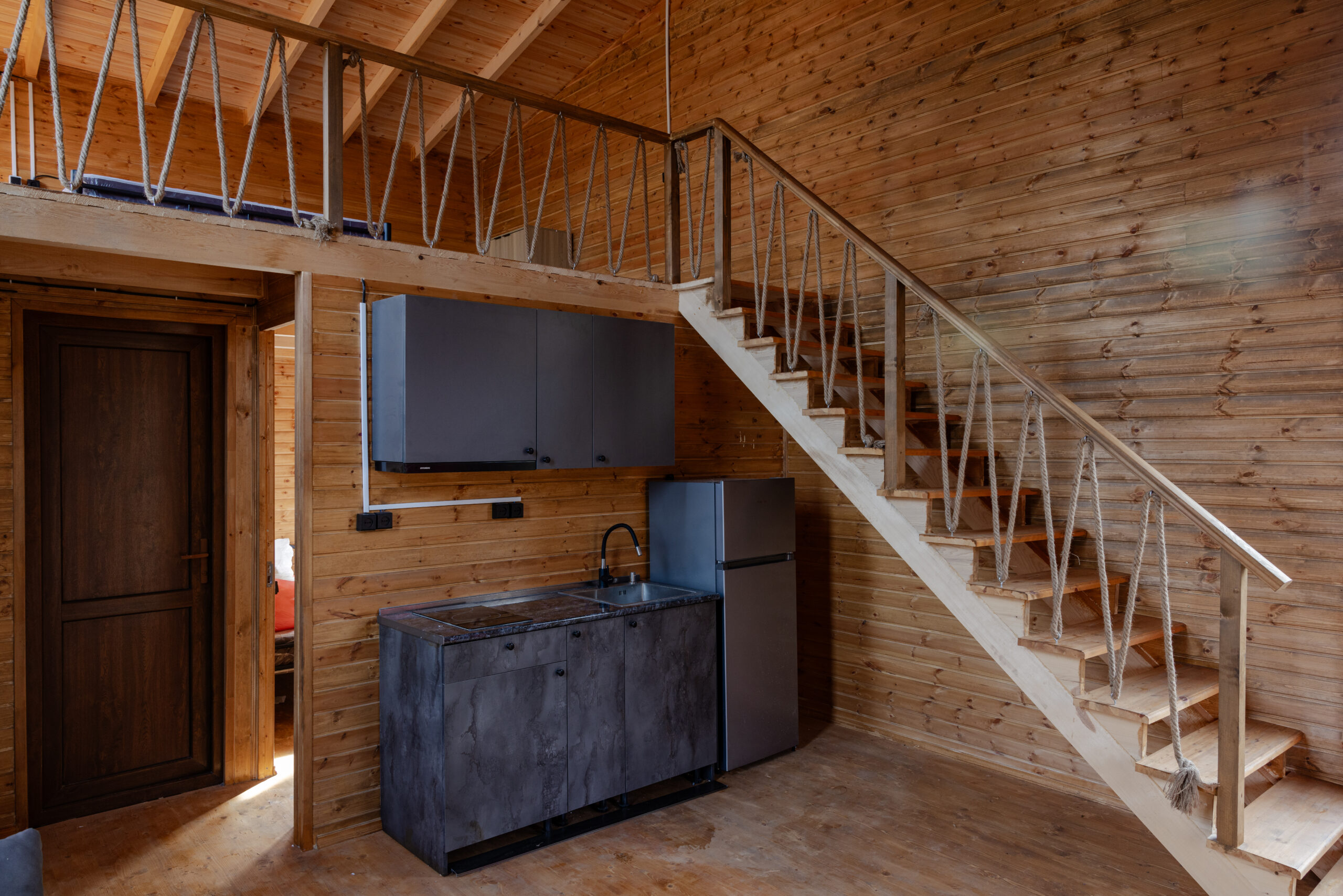
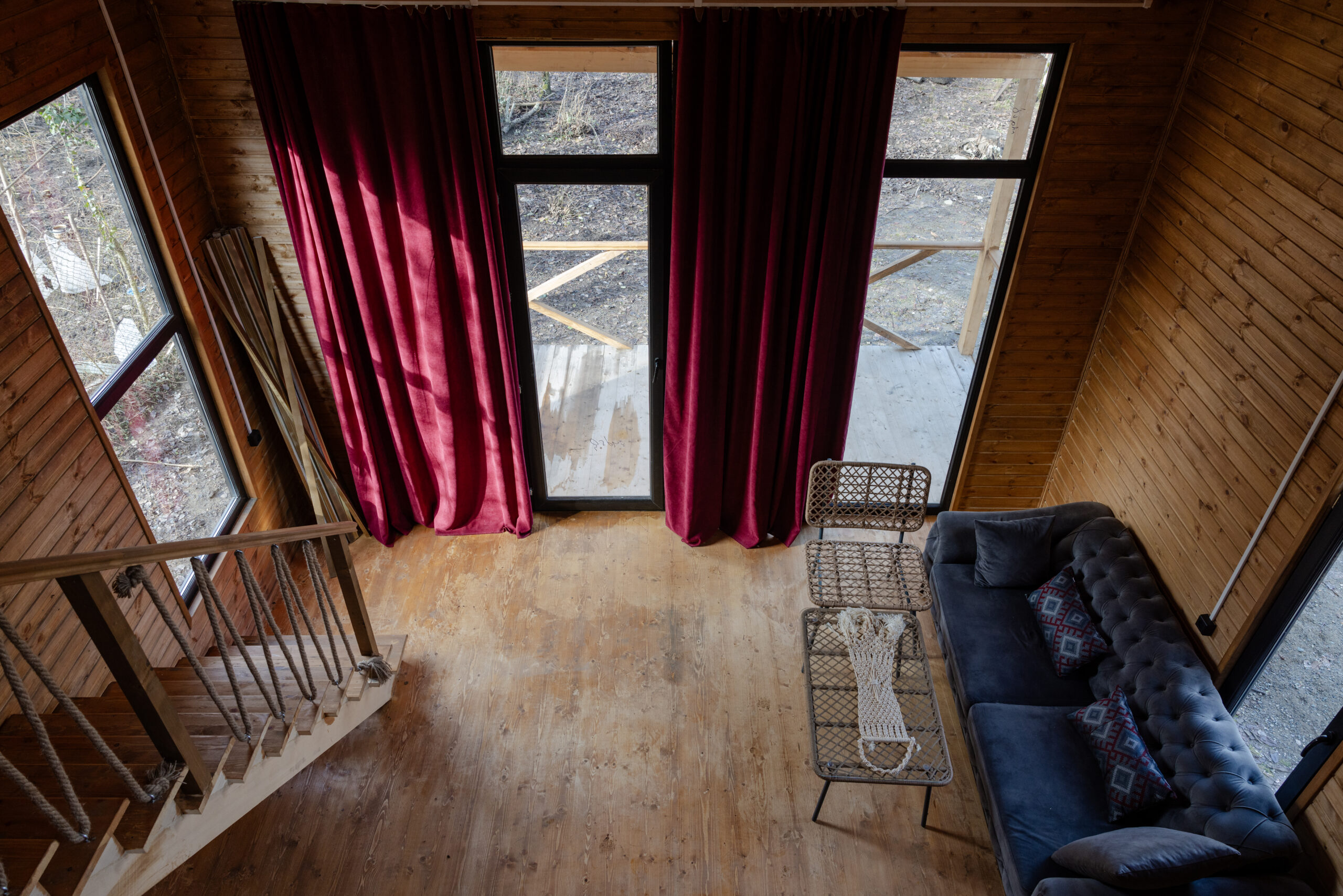
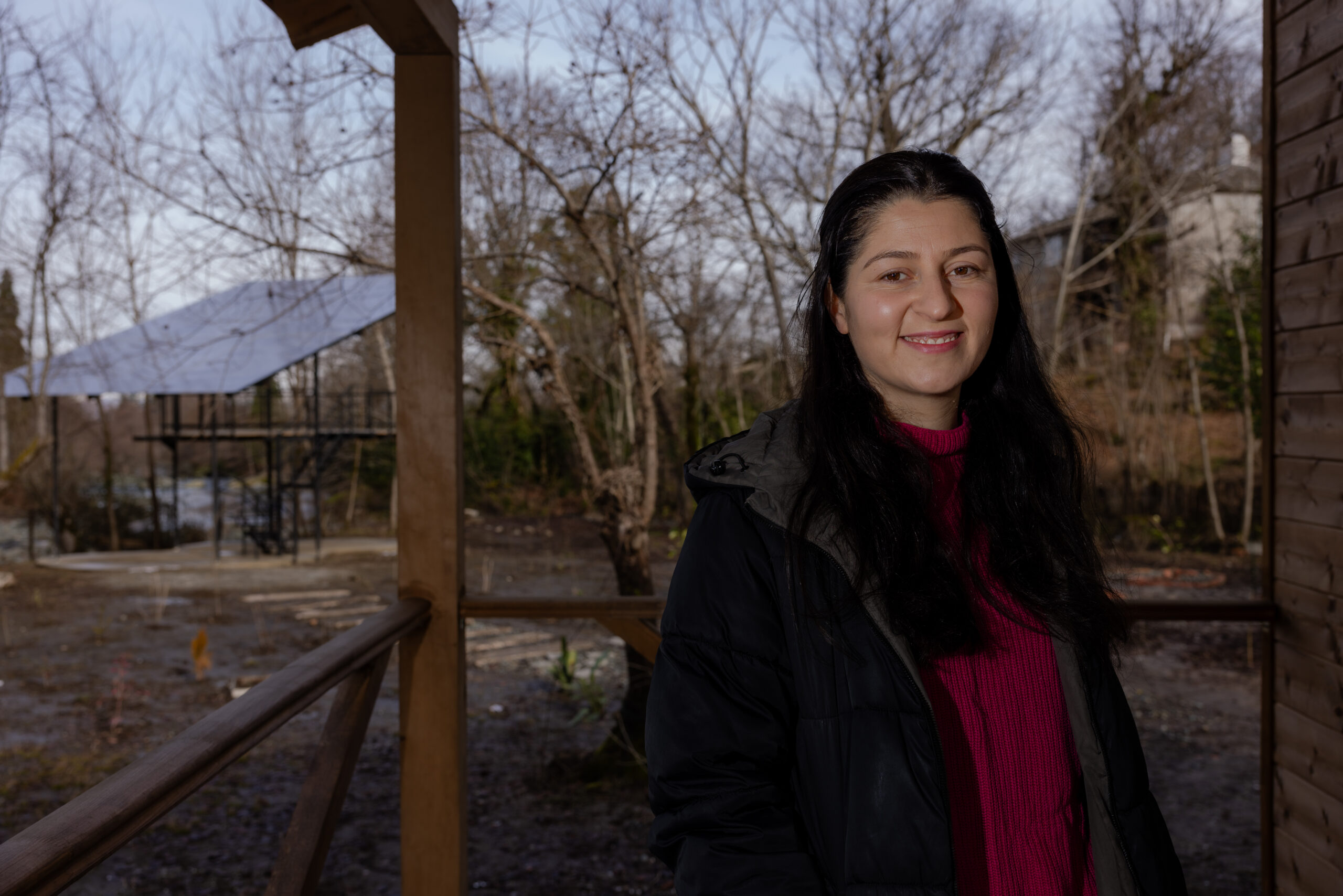
Focusing on environmental standards and maximum proximity to nature, Lika Dumbadze created “Dumbo Eco Camp” in the village of Gomi, Ozurgeti, situated along the banks of the Bzhuzhi River. In response to growing demand, the camp’s infrastructure was significantly expanded under the “Green Guria” project – two new wooden cottages were built, allowing the site to host up to 14 guests simultaneously. Special attention was paid to ecological safety: a modern septic system was installed to protect the soil and the river, and the existing open kitchen was upgraded to meet HACCP standards. This investment allows the camp to offer authentic Gurian cuisine, host culinary masterclasses, and employ local chefs, adding both social and economic value to the project.
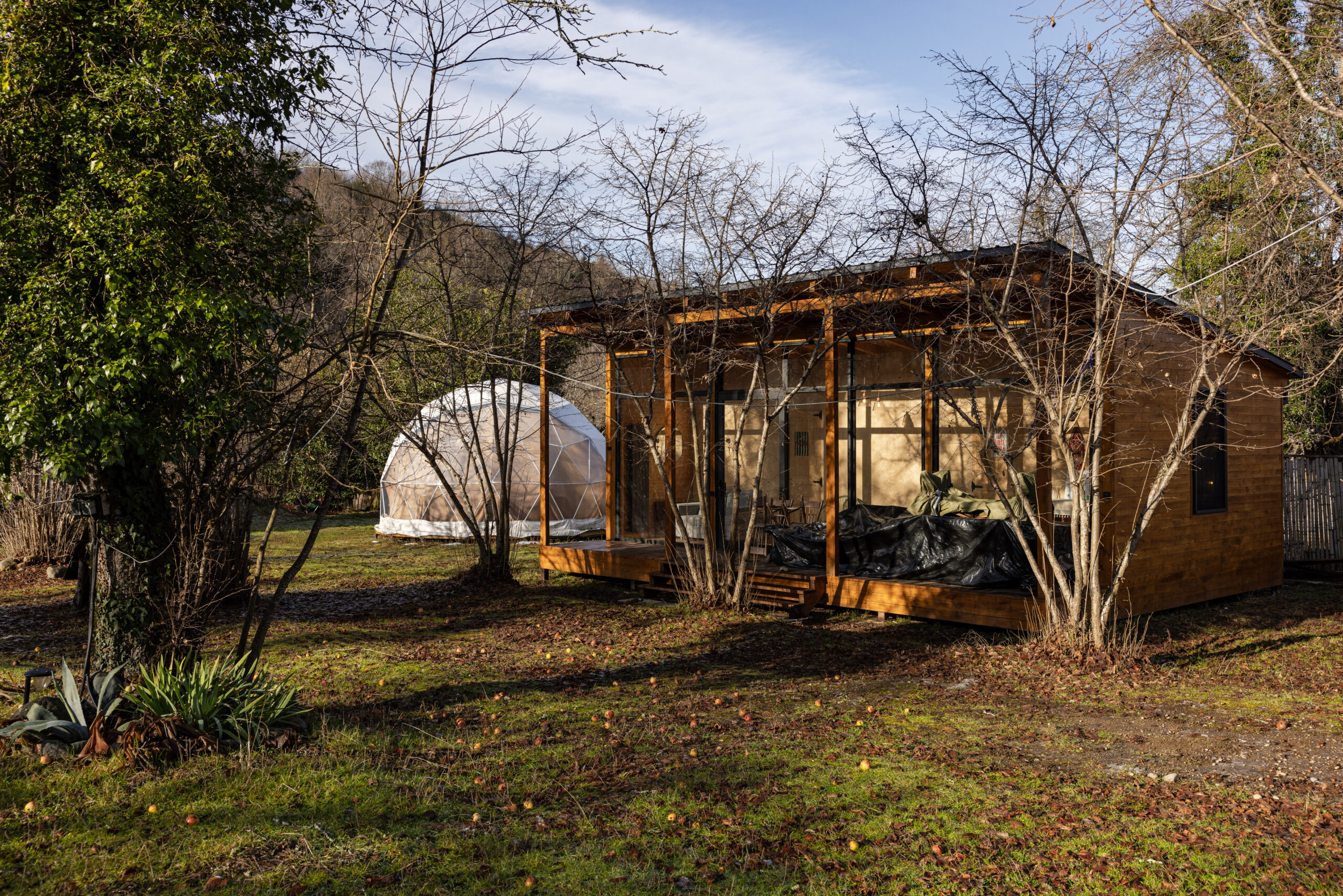
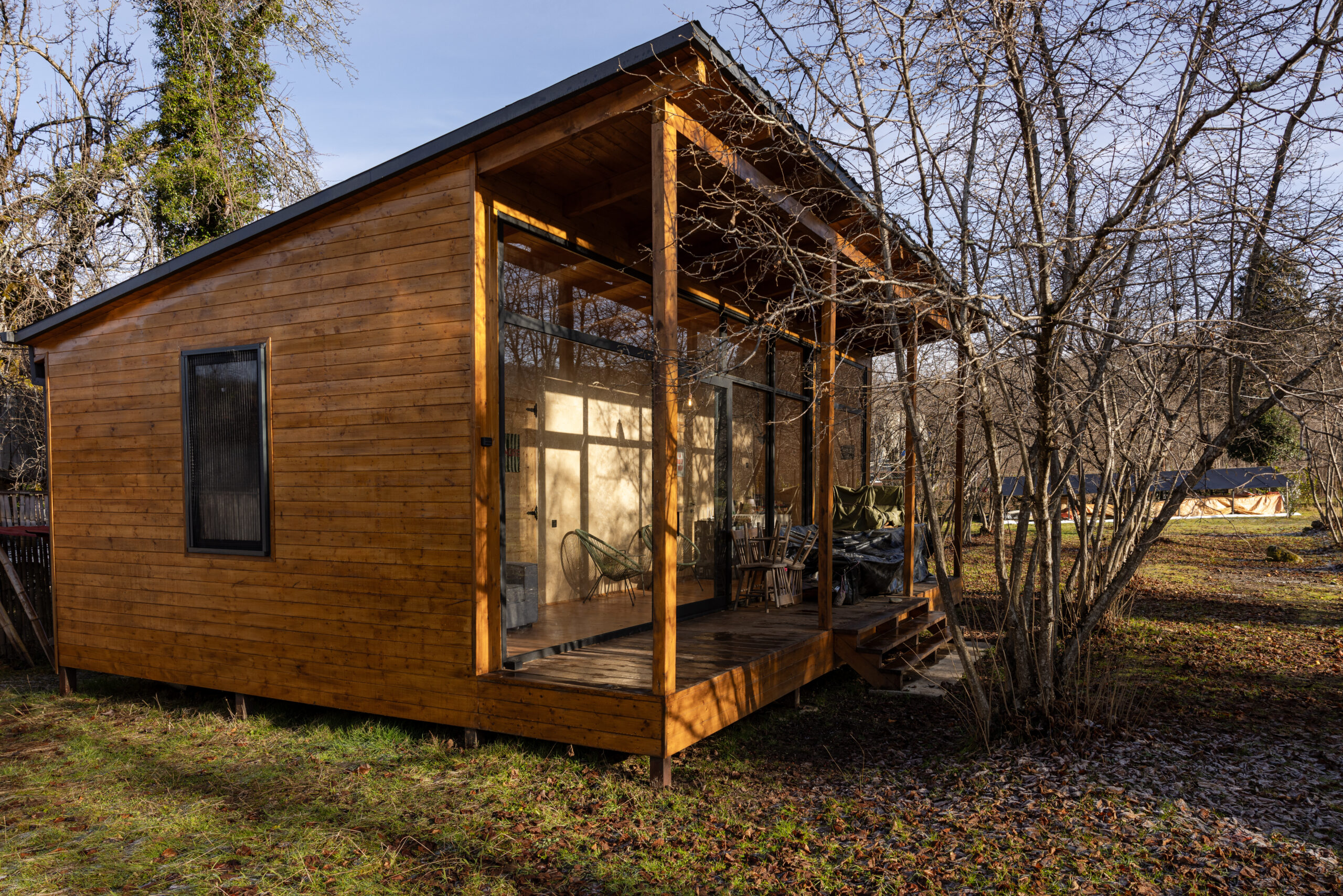
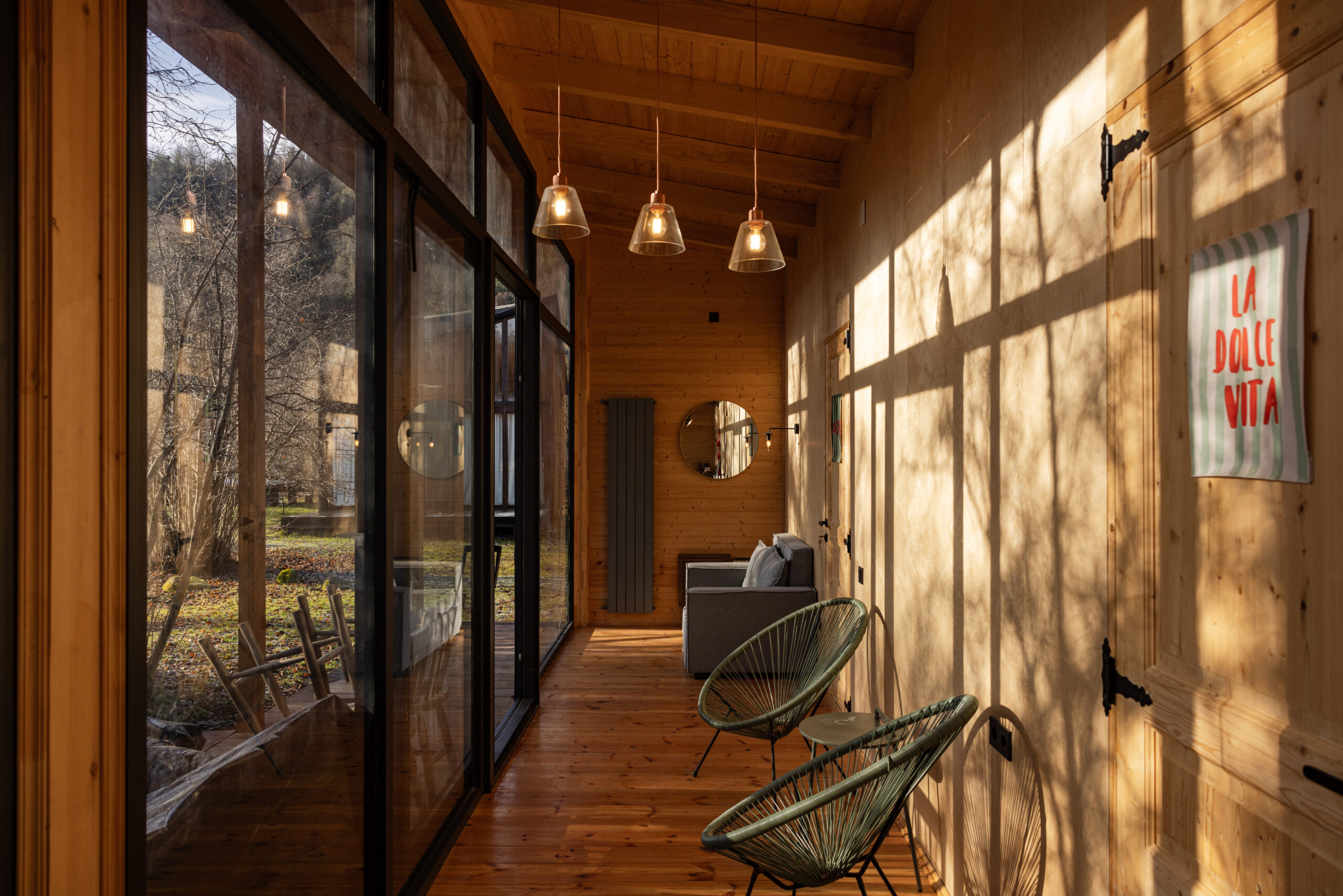
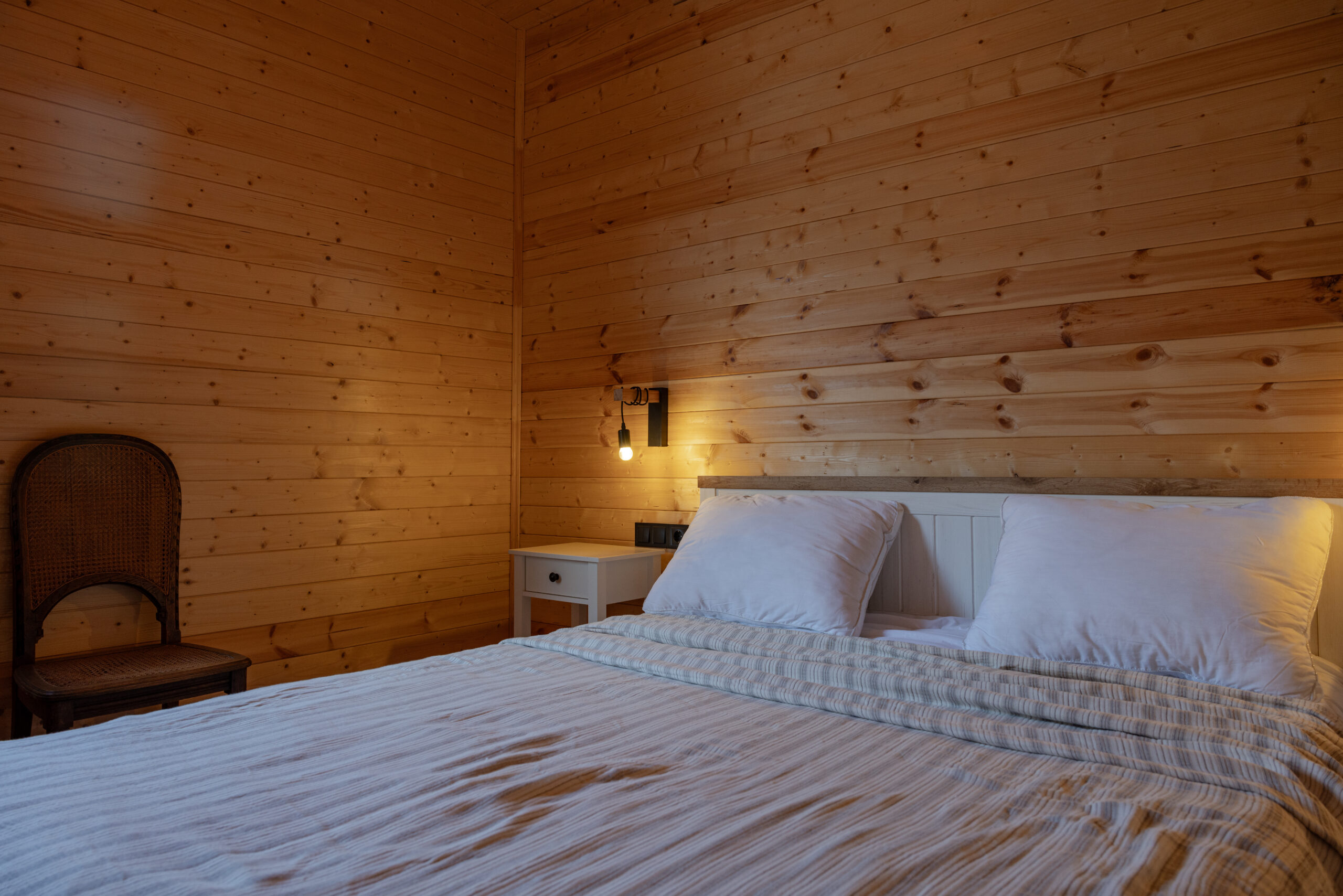
“Niko Mamasakhlisi’s Estate,” located in the village of Baghdadi, Ozurgeti municipality, is a place where history and modernity converge. With EU support, the focus here was on furnishing outdoor spaces and renewing hotel inventory, resulting in a multifunctional environment. The territory features a sports zone with a table tennis setup, a summer pool, and a children’s corner with toys made from eco-materials. Additionally, a multifunctional leisure pavilion was established, designed to meet three different needs: it serves as an open-air coworking space, a tasting zone, and a recreational corner for quiet relaxation. Such infrastructure allows the estate to host visitors with various interests throughout almost the entire year.
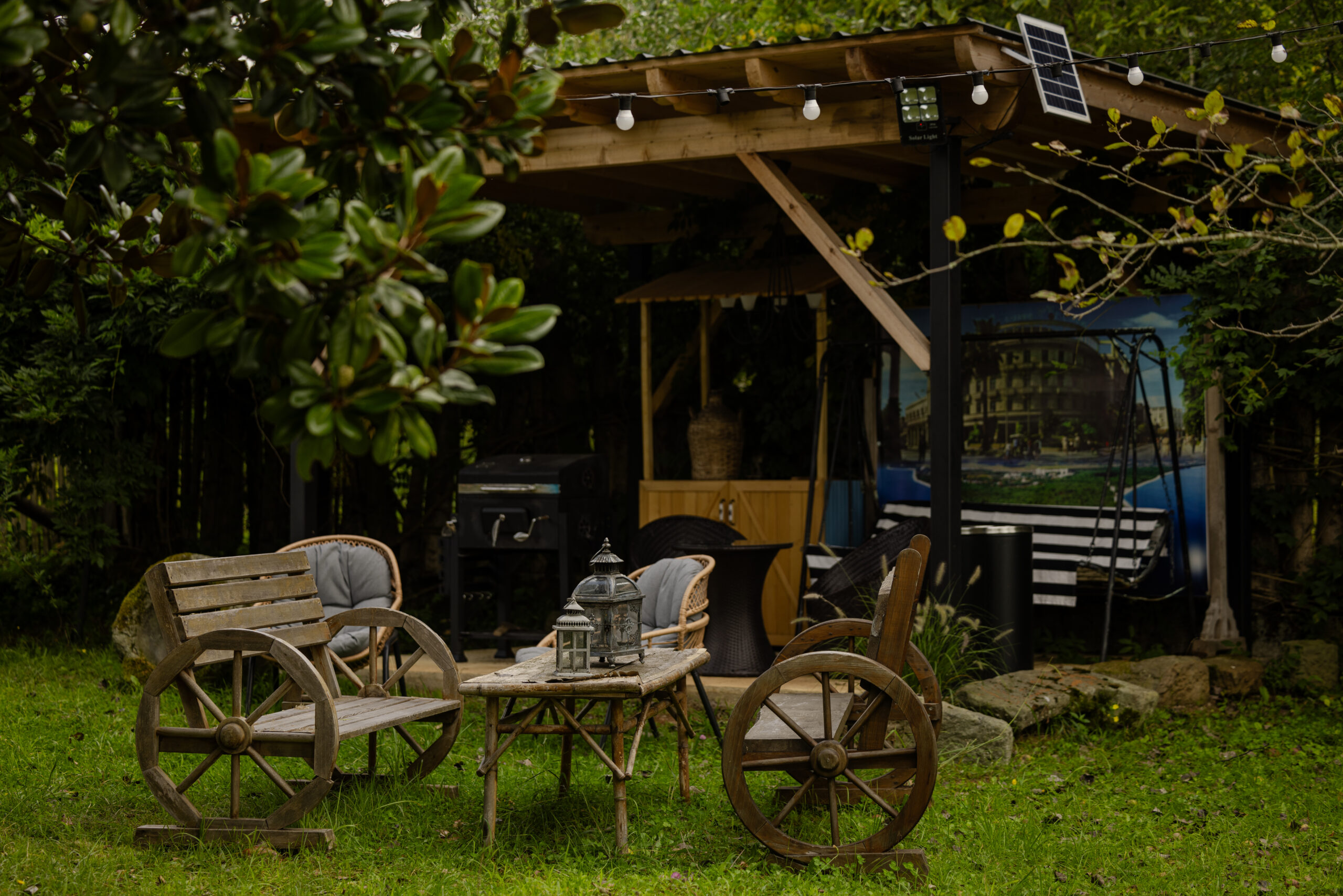
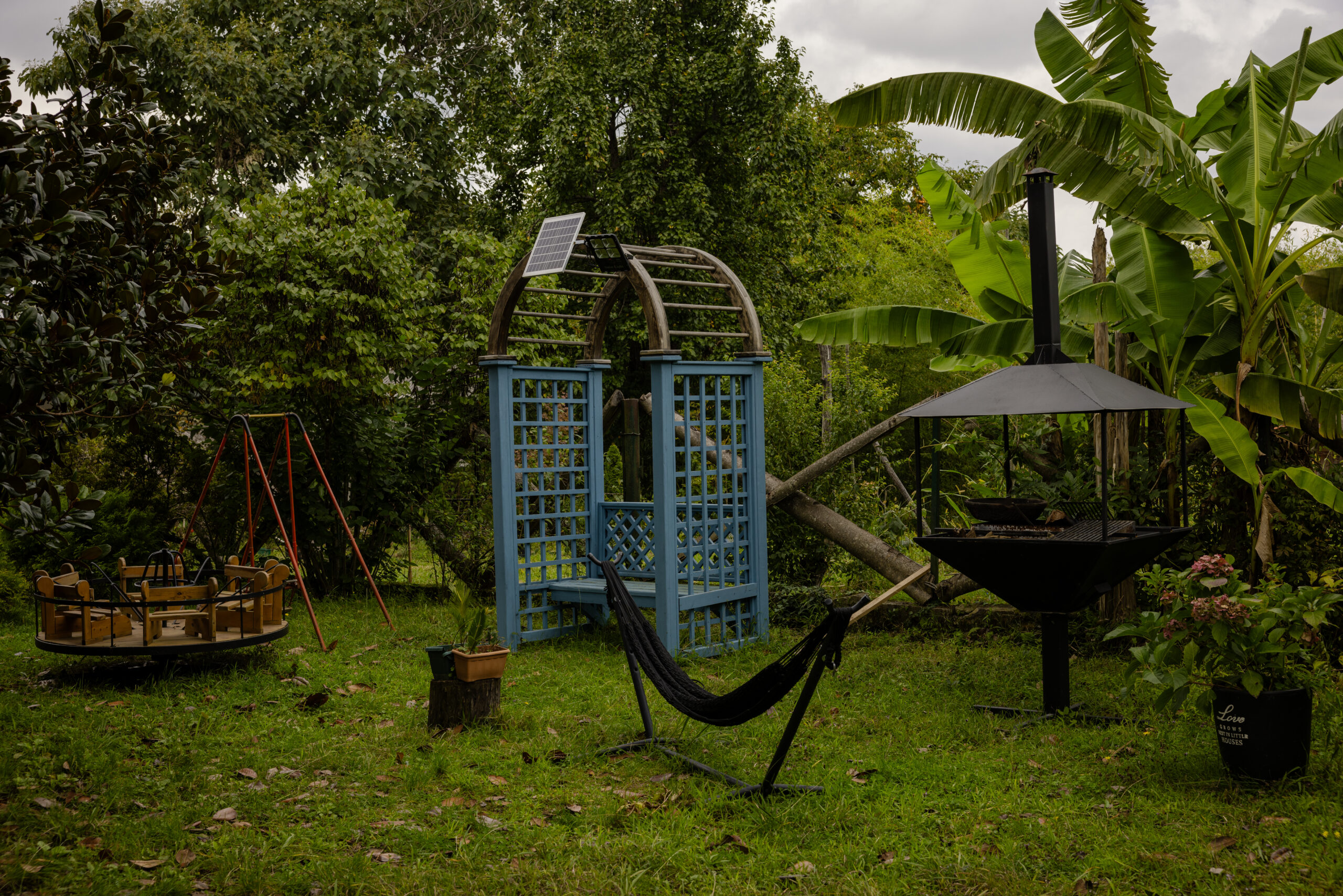
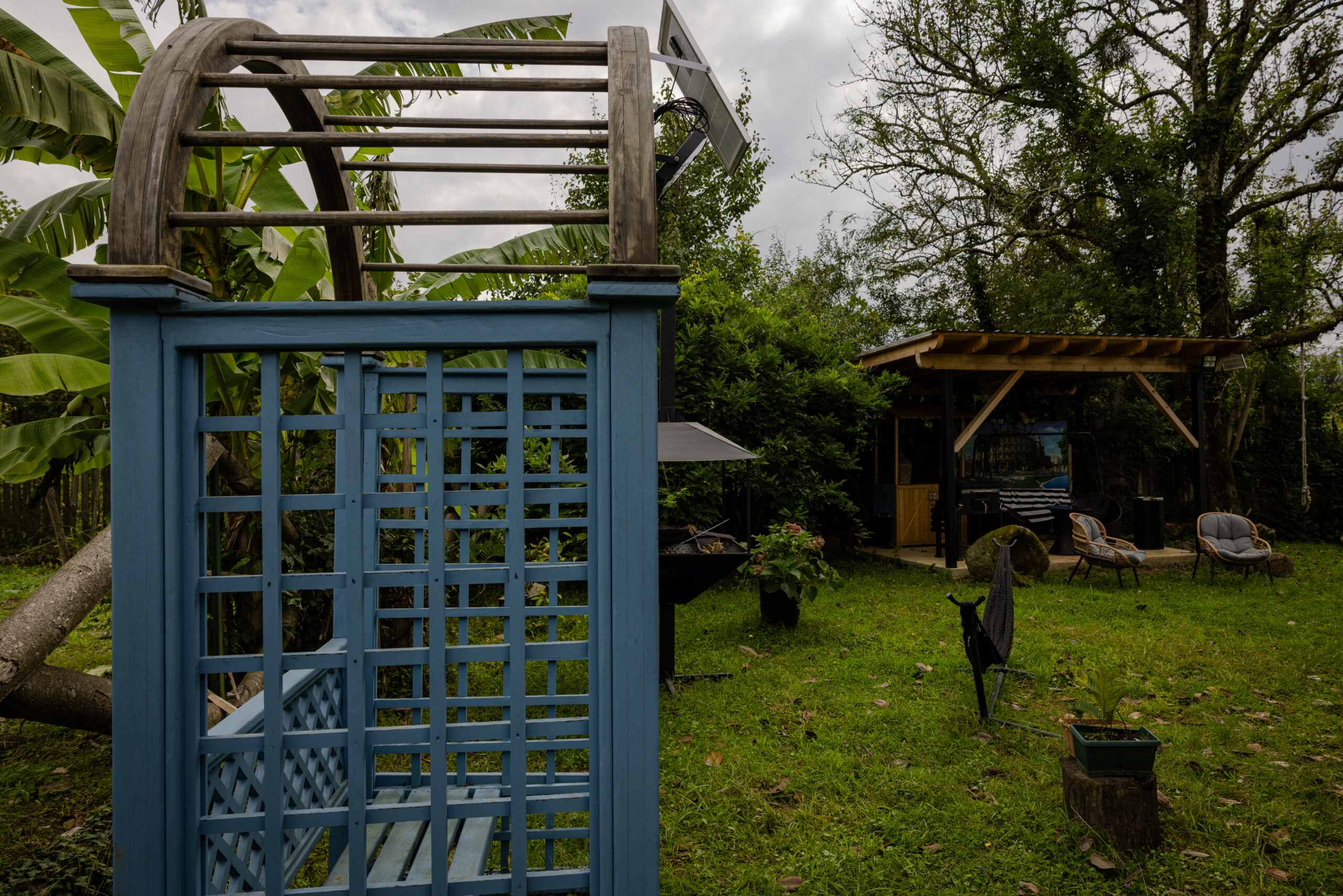
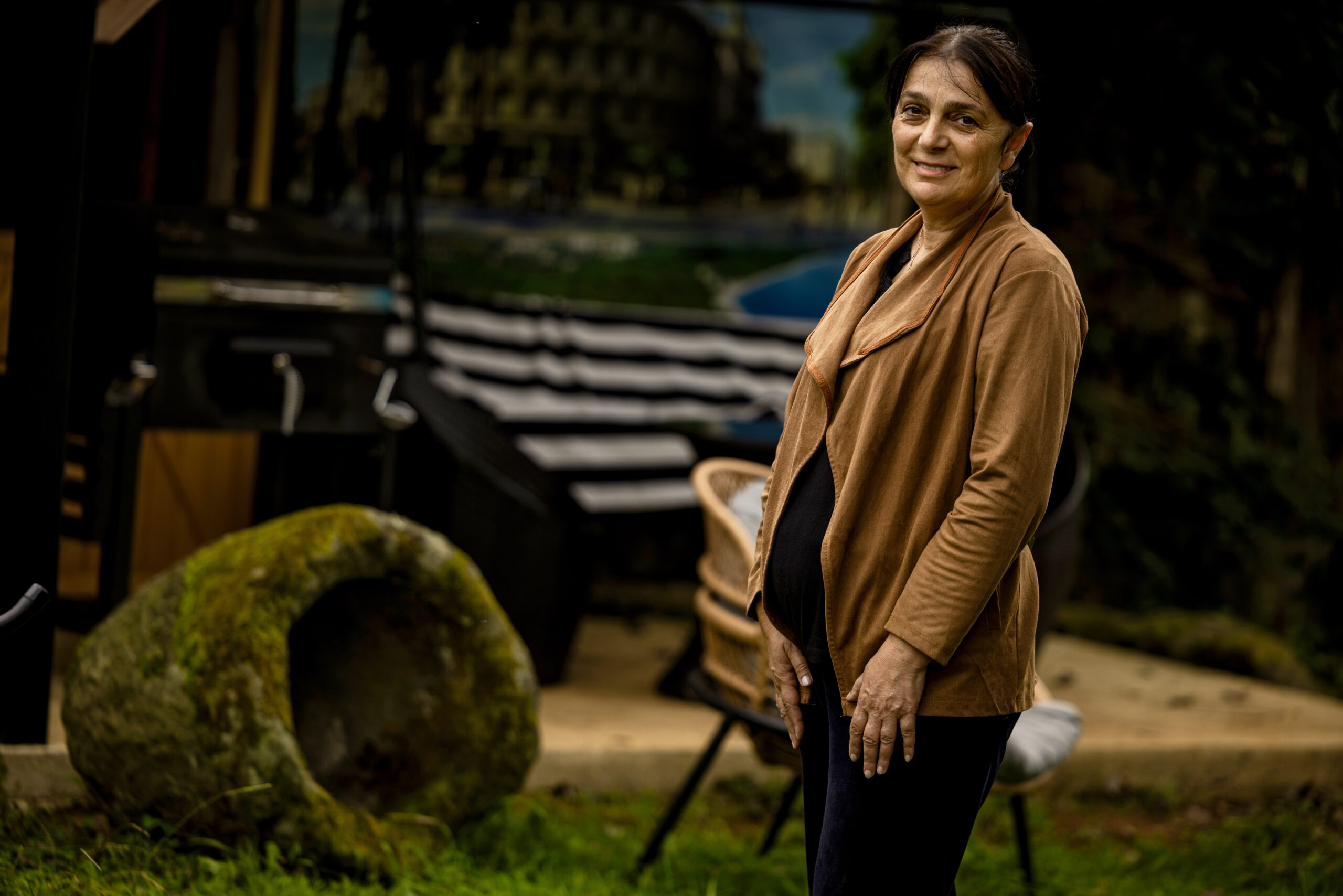
The family complex “Skiji’s House,” located in the village of Khidistavi, Chokhatauri municipality, and led by Darejan Berdzenishvili, has become a true hallmark of Guria. With the support of the European Union, a high-standard guesthouse was established here, blending an authentic Gurian courtyard with modern comforts. The project prioritized the use of local raw materials – guests can purchase sun-dried fruits, jams, and fruit teas produced on-site, forming a vital part of the sustainable tourism economic chain.
These initiatives, supported by the European Union and CENN, prove that Guria possesses the resources to become a leading tourist destination in Georgia, where tradition and innovation meet for a sustainable future.
This article was produced with the support of the European Union. Its contents are the sole responsibility of CENN and do not necessarily reflect the views of the European Union.