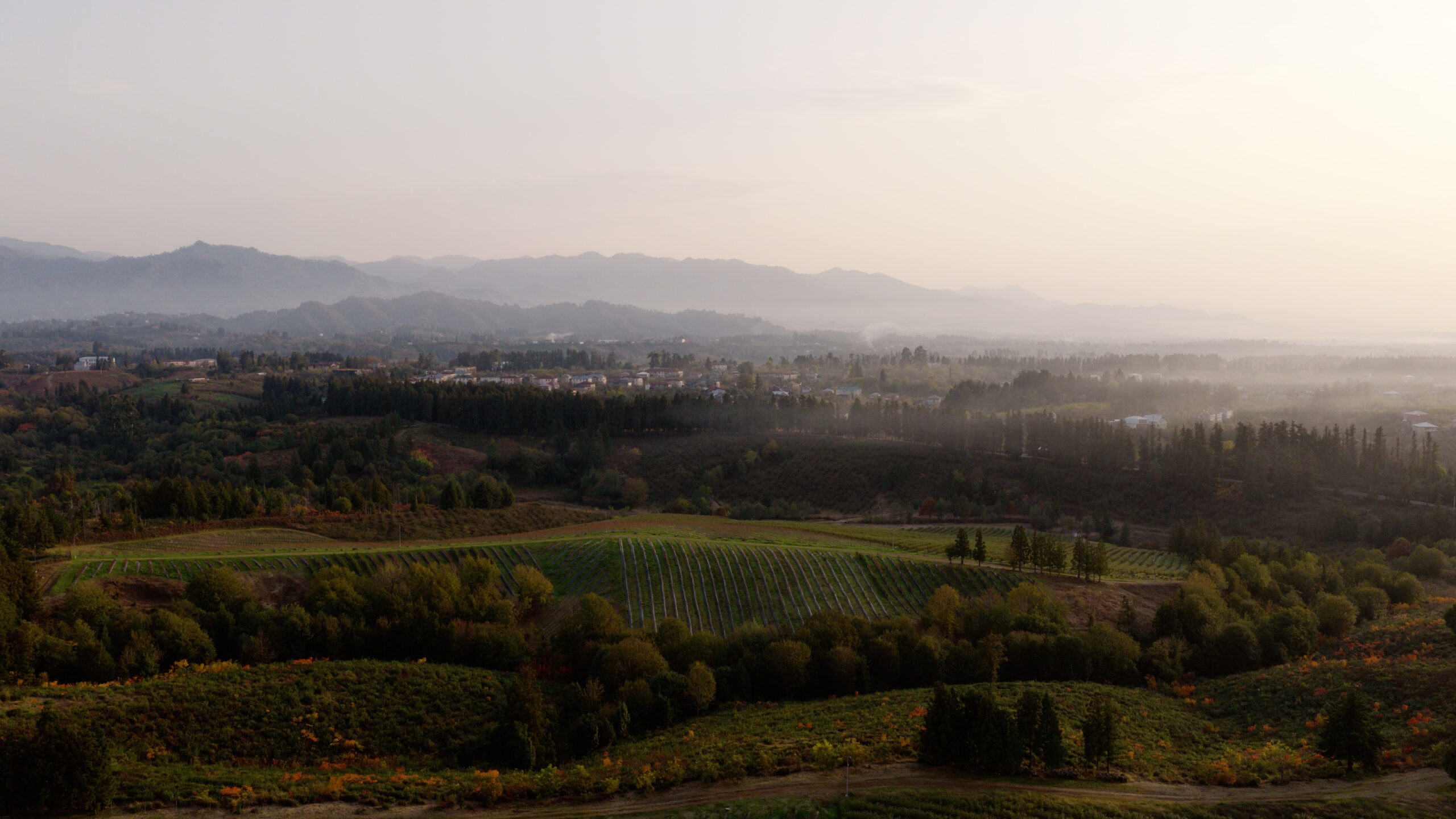
Tea culture is an inseparable part of the Guria region. For decades, this sector served as the region’s economic backbone. Today, with the support of the European Union and CENN, Gurian tea is gaining a new lease on life. Within the framework of the “Green Guria” project, strengthening local producers, implementing modern technologies, and establishing environmental standards have become priority directions. This support helps tea producers combine traditional experience with innovative approaches and enter the international market with competitive products.
David Tenieshvili’s Tea Enterprise
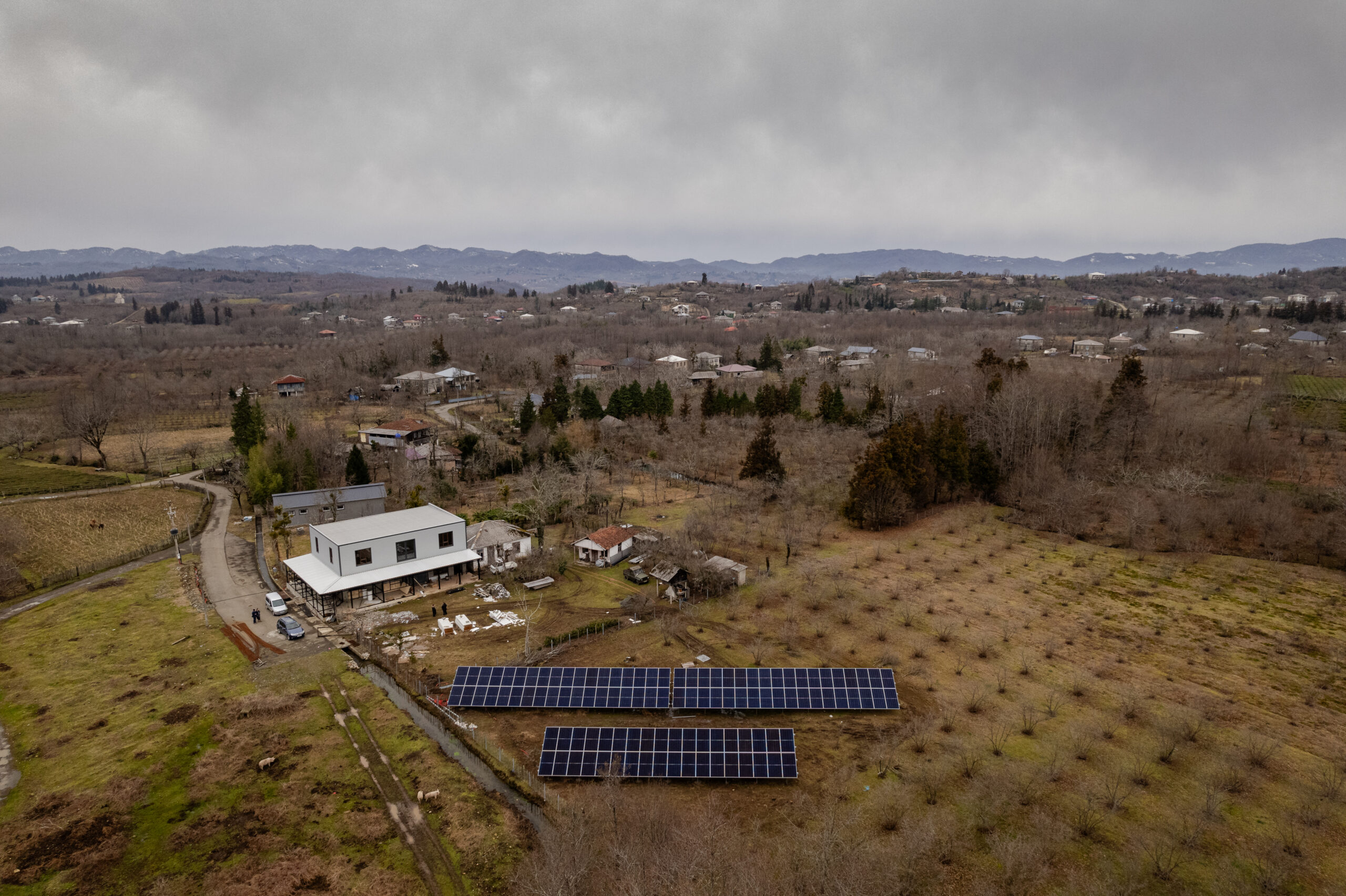
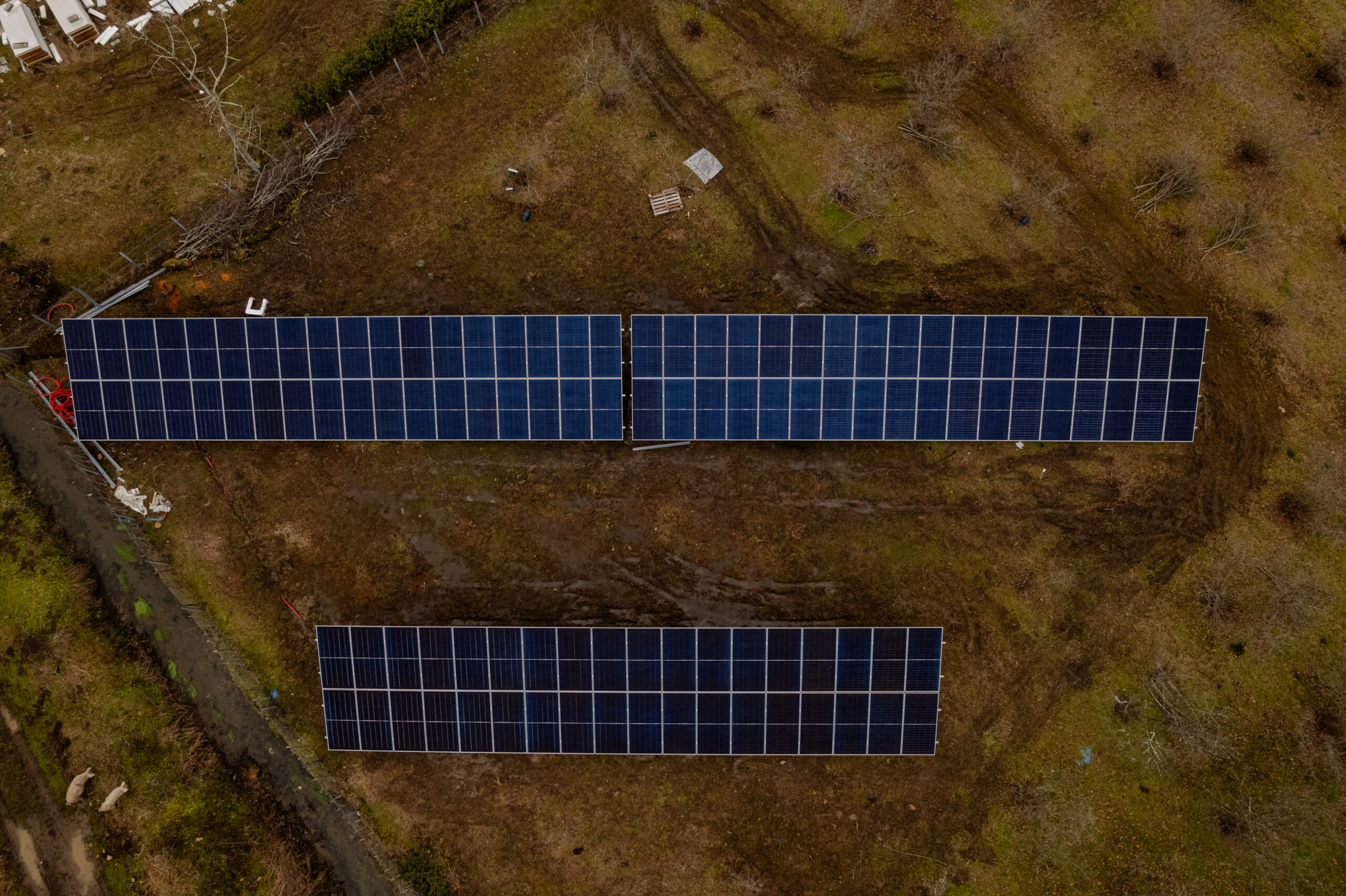
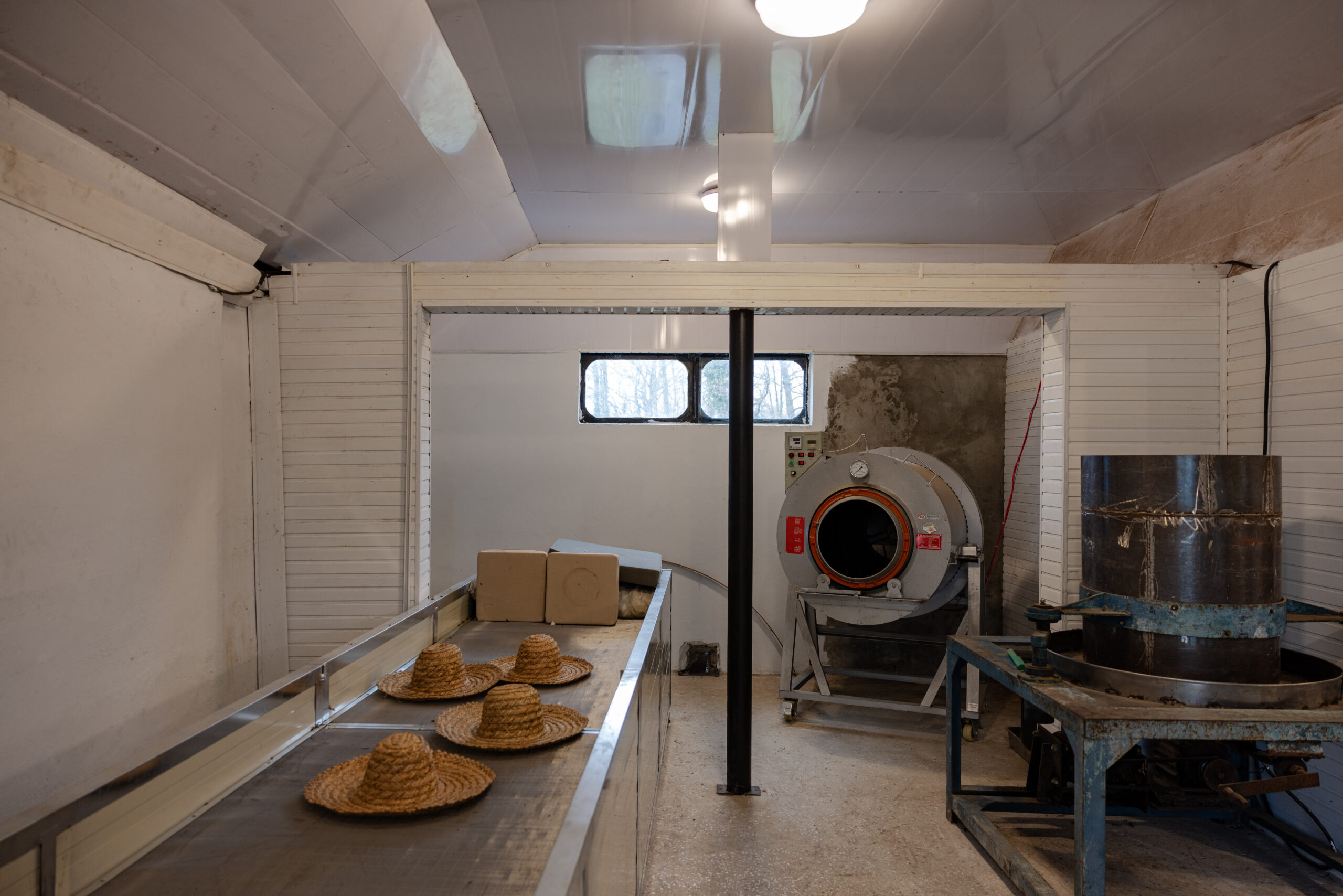
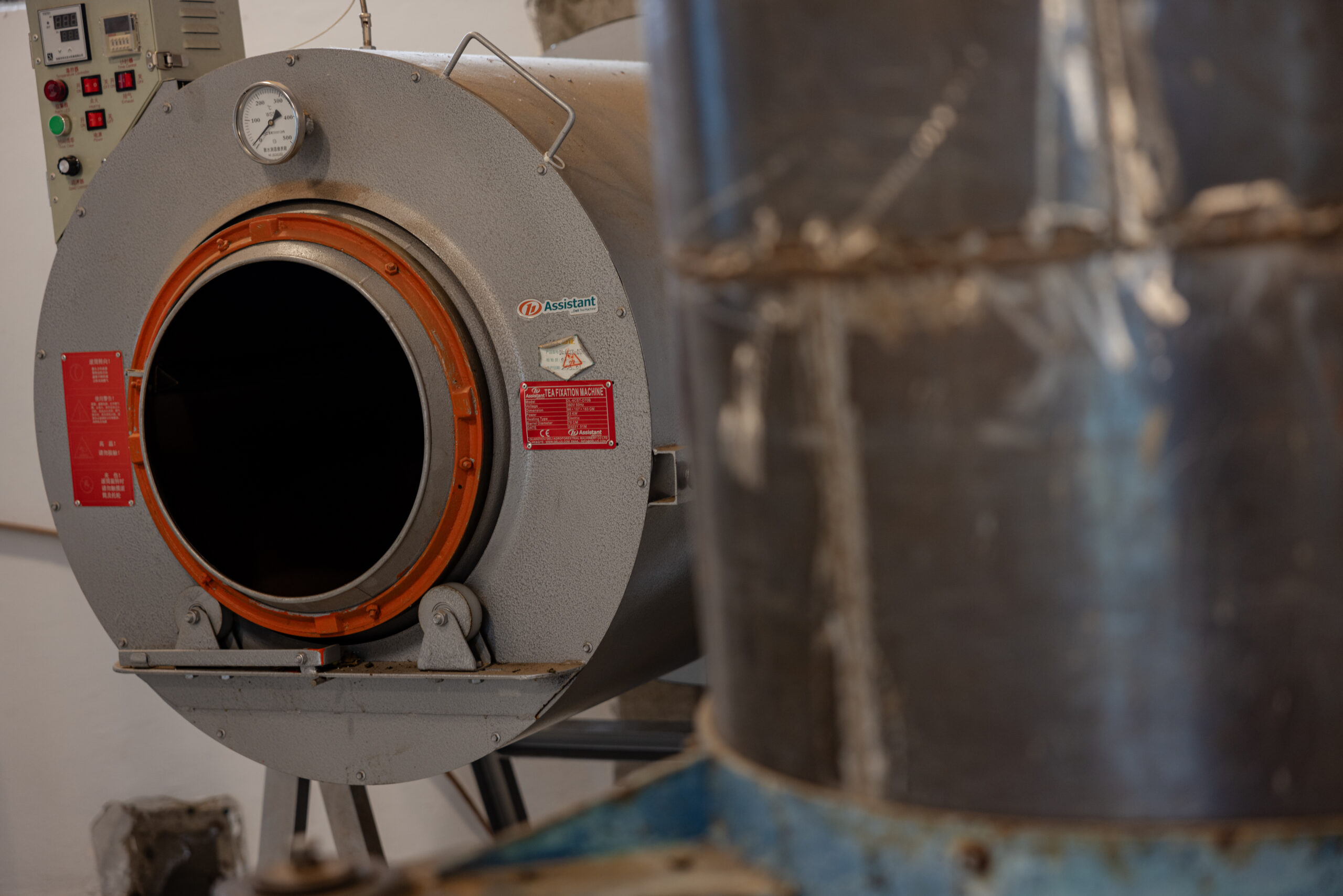
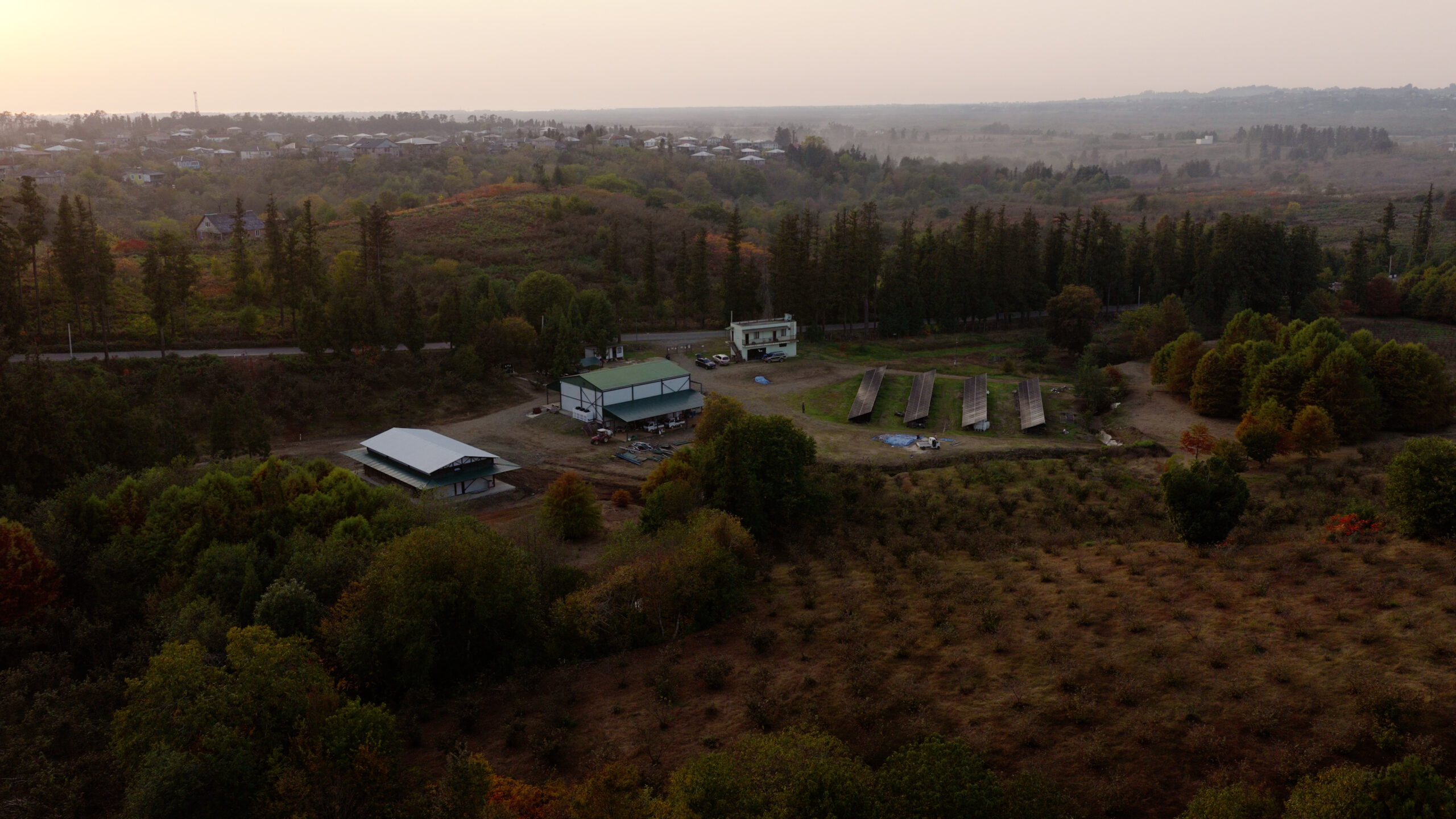
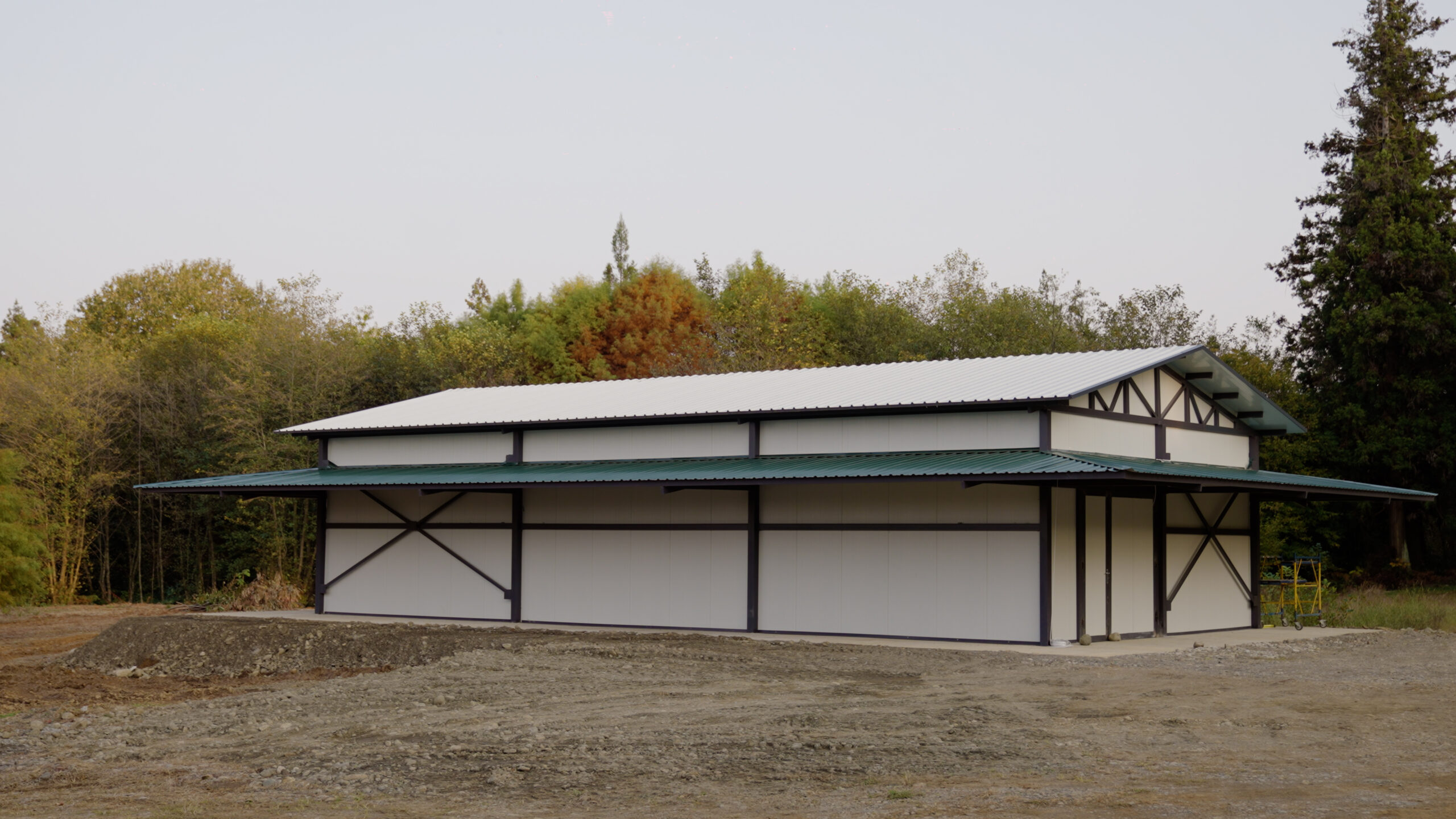
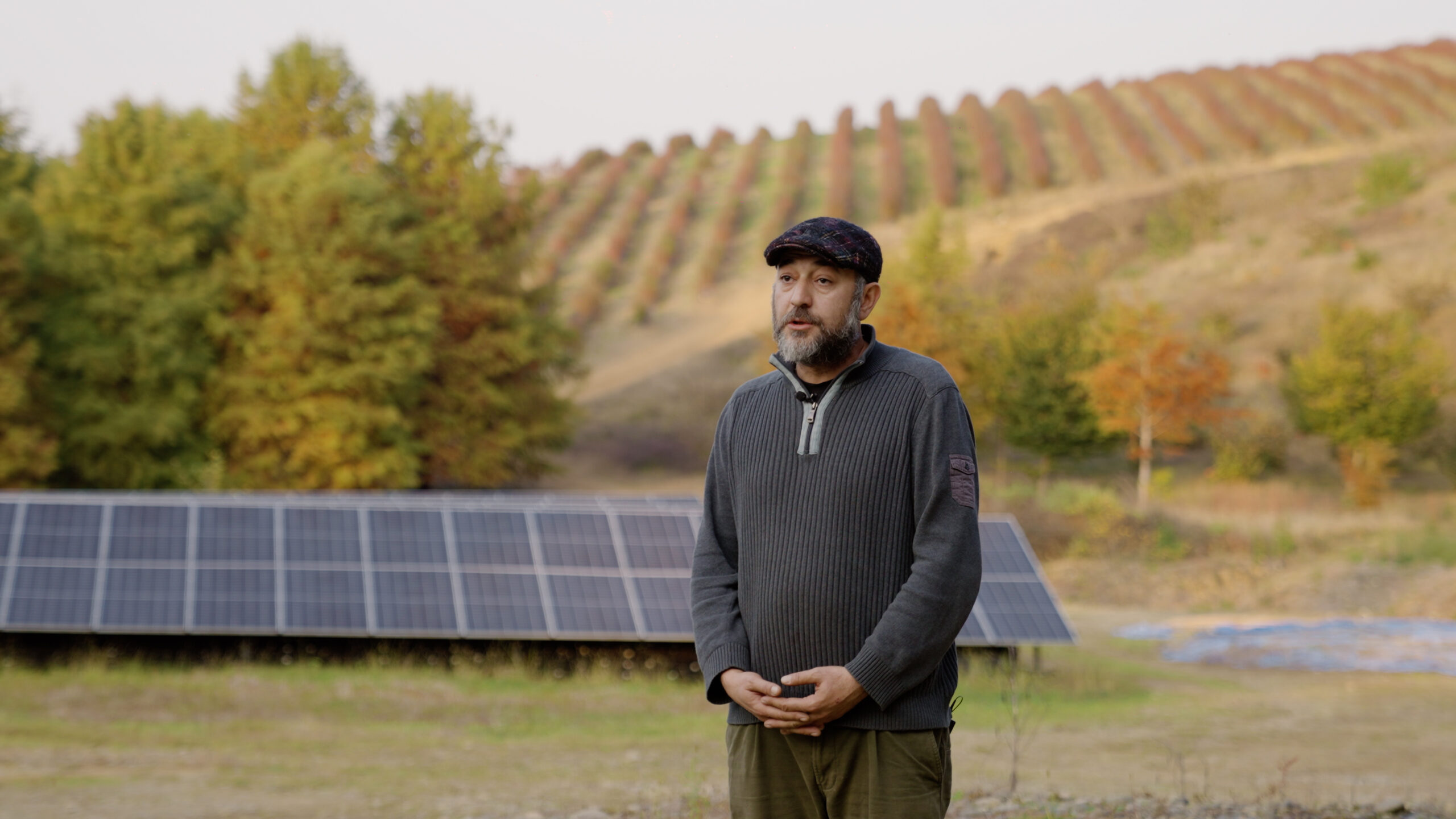
One of the main challenges in tea production is its high energy intensity, which directly affects the cost of the final product. To address this issue, an unprecedented project was implemented in the village of Bakhvi on the initiative of David Tenieshvili. With EU support, a 50.6 kW solar power plant was installed at the enterprise. This innovation allows the production process to become more economically viable and environmentally friendly. Furthermore, modern machinery installed in the renovated facility ensures the efficient processing of both high and medium-quality tea.
Chaniti
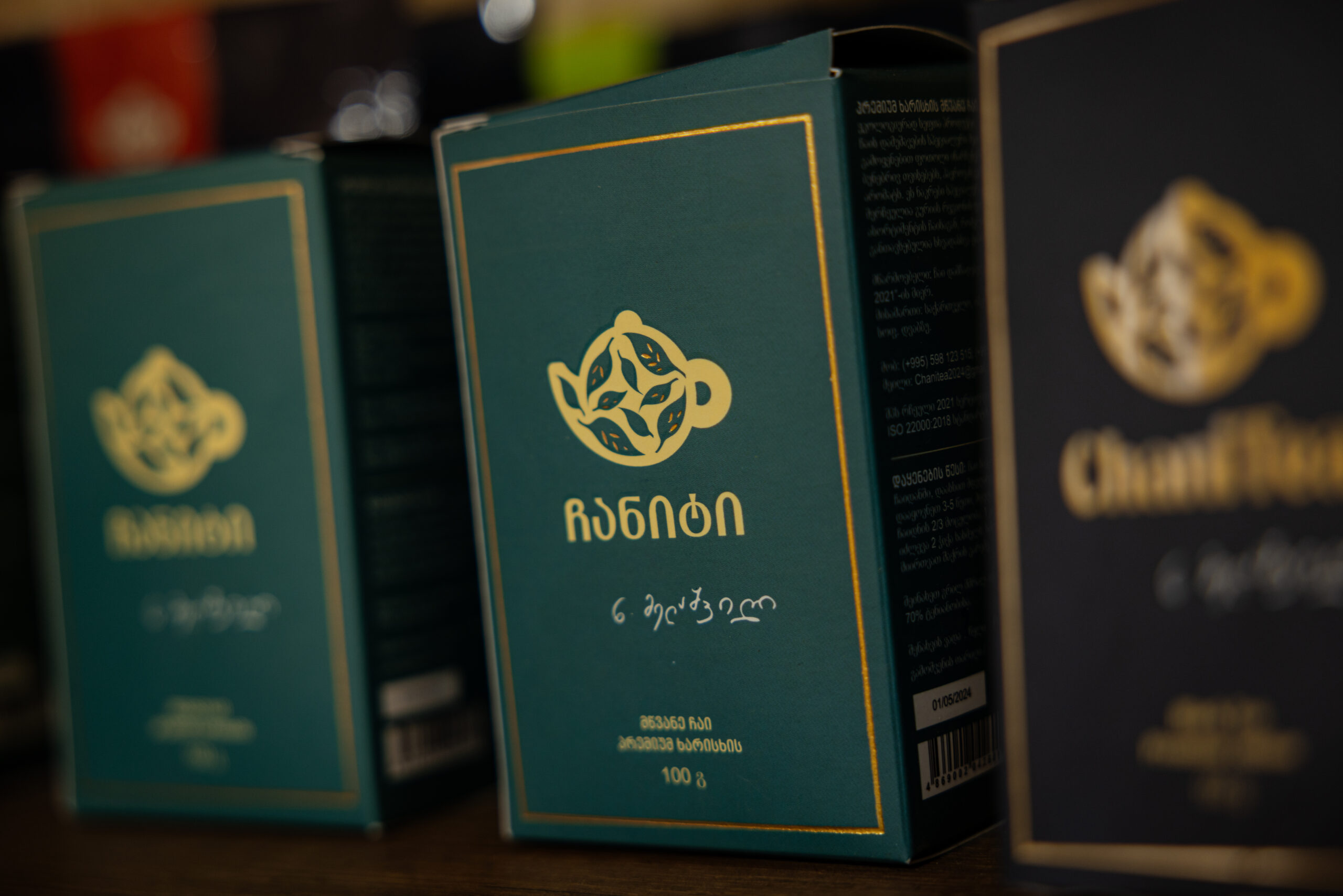
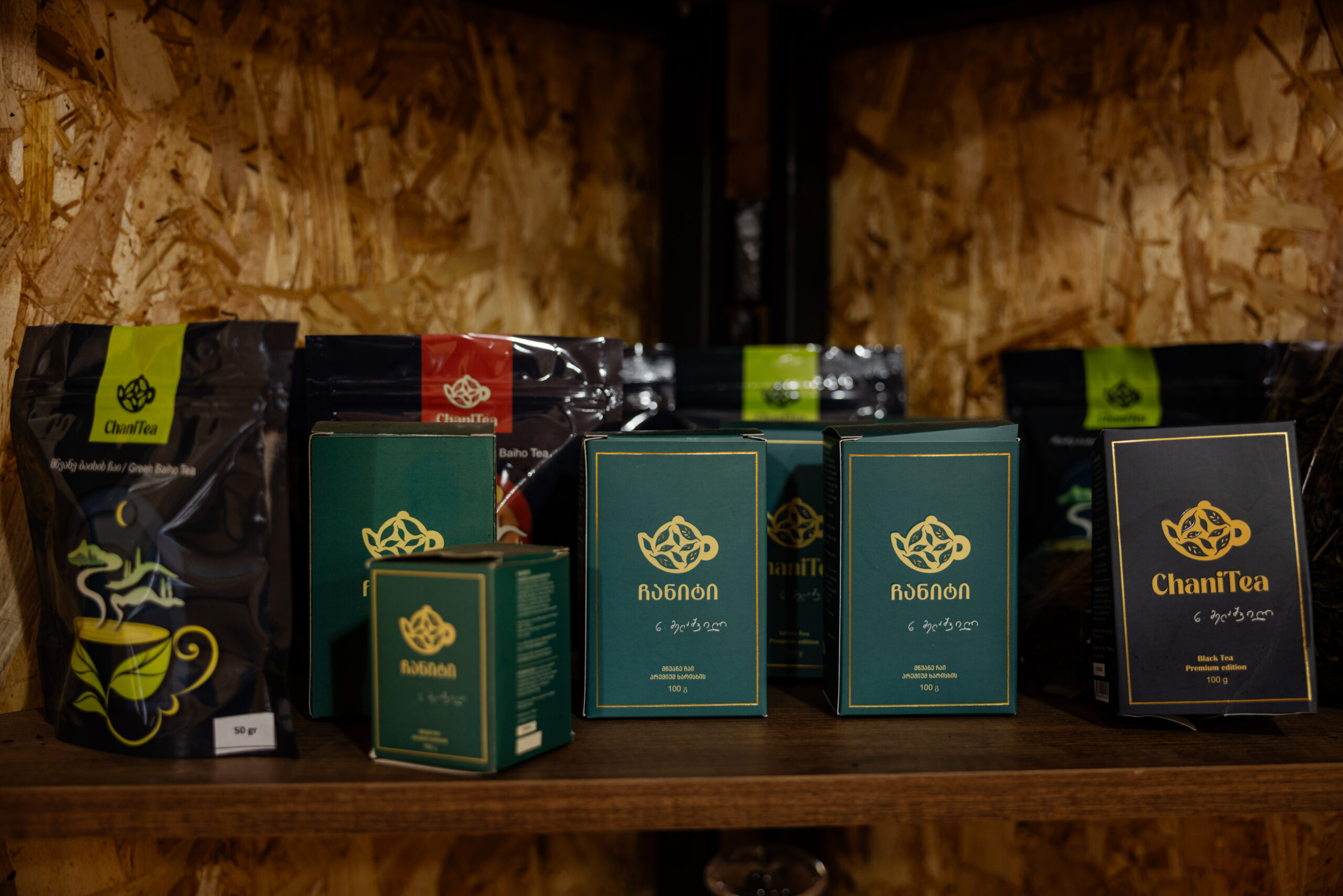
Led by Valerian Soselia, the company “Chaniti,” operating in the village of Dvabzu, is dedicated to restoring the former glory of Gurian tea. Through the “Green Guria” project, a modern factory meeting international standards was established, fully equipped with necessary inventory, specialized workshops, and sorting areas. A significant milestone for the enterprise is the attainment of the ISO 22000 international standard, which makes the products more reliable and opens doors to international markets. Beyond production, “Chaniti” also serves an educational purpose – any interested individual can visit its demonstration space to learn about modern tea production methods.
Sideri
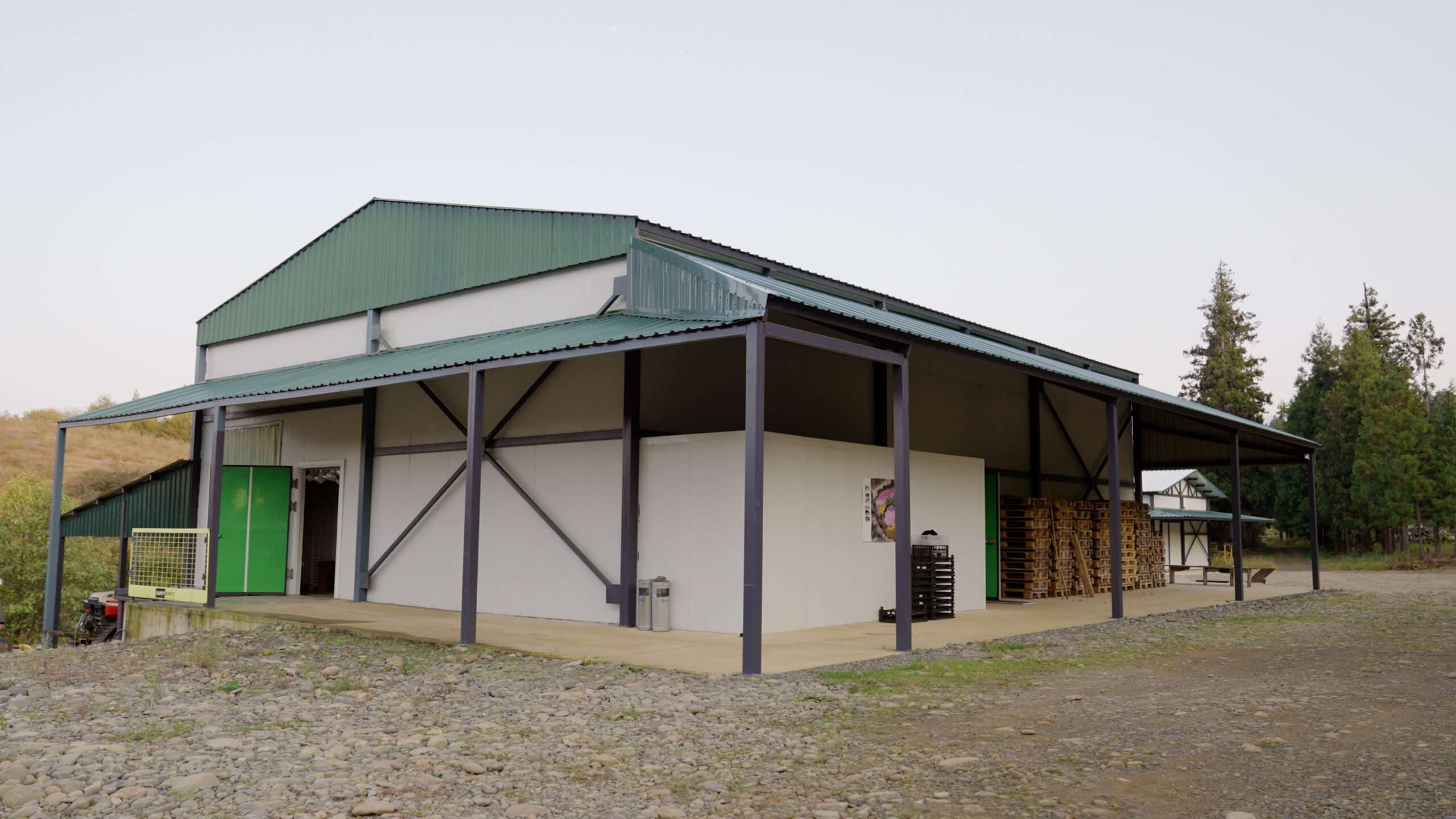
Operating in the town of Laituri, the company “Sideri” continues Guria’s long-standing tea production heritage. With the project’s assistance, the company took a major technological step forward: an industrial building was established and equipped with state-of-the-art machinery for the proper storage and processing of tea leaves. The implementation of controlled temperature technology and renewable energy sources significantly reduces production costs while improving environmental parameters. The activities of “Sideri” contribute to strengthening the sector by sharing technological knowledge within the region.
These initiatives, funded by the European Union and CENN, prove that with the right investment and an innovative vision, Gurian tea is once again becoming a symbol of high-quality, ecologically clean production.
This article was produced with the support of the European Union. Its contents are the sole responsibility of CENN and do not necessarily reflect the views of the European Union.